-

How to manage water in rice cultivation? Mastering these methods is key
A brief discussion of how to manage water in cultivated rice
-
Safe Use Methods and Precautions for Rice Field Herbicides
How to Safely Use Herbicides in Rice Fields
-
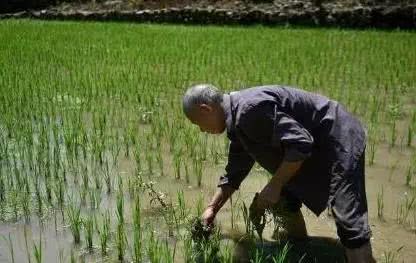
After the onset of the dog days, the weather turns hot; protecting rice from the heat is just as important as protecting people.
High-temperature heat damage is one of the common diseases of rice. Every year, high-temperature heat damage to rice occurs in some areas and causes serious economic losses. For example, in 2006, high-temperature heat damage to rice occurred in many areas of Anhui, affecting 2 million mu of rice. ...
-
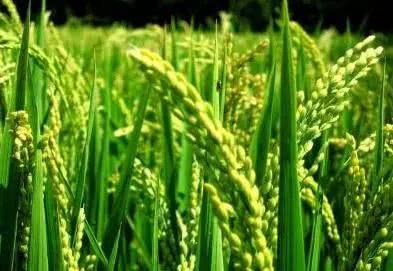
Both corn and peanuts are treated with growth retardants; does rice need it too?
The answer is yes. Growth retardants are antagonists of gibberellin. As a plant growth regulator, they can effectively control excessive vegetative growth, promote reproductive growth, shorten internodes, and produce plants that are short, sturdy, thick, with well-developed root systems and resistance to lodging, as well as...
-
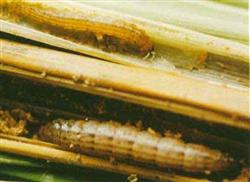
How to control rice stem borers? Practical methods and techniques explained
How to control rice stem borers? Please advise. Rice stem borers are commonly known as dead-heart borers, among which the most widespread and serious are the striped stem borer and the yellow stem borer, along with the rice skipper and the greater rice stem borer. The striped stem borer damages not only rice but also gramineous crops such as corn and wheat, while the yellow stem borer is a monophagous pest that attacks only rice. For...
-
What is the correct application method for rice flower-promoting fertilizer?
How should rice flower-promoting fertilizer be applied? Please guide. Rice flower-promoting fertilizer and flower-preserving fertilizer are collectively called ear fertilizer. Flower-promoting fertilizer is generally applied from the 4th leaf from the top to the 3rd leaf from the top stage of rice. The 4th leaf from the top to the 3rd leaf from the top stage is a reverse leaf age stage. For early-maturing late japonica rice, it is generally applied when the first internode has reached its final length and the second internode is elongating. Flower-promoting fertilizer should be applied according to the seedlings. High-yield fields generally do not apply flower-promoting fertilizer. Only fields with small population growth and obvious yellowing at the early stage of jointing and ear elongation should be topdressed with an appropriate amount. Fields with little base fertilizer, a small population, and obviously faded leaf color should be applied early; fields with sufficient base fertilizer, a large population, and no yellowing of leaf color should be applied less or not at all.
-
How to sprout rice seeds well? Mastering the correct method is key
How to sprout rice seeds well? Introducing a new method for sprouting rice seeds can solve this problem. The main advantages of this method are: first, it can increase the sprouting rate to above 95%, with strong sprouts and short roots, and it is safe and reliable; second, it shortens the seed soaking and sprouting time. From soaking to standard sprouts, it generally takes only about 48 hours,...
-
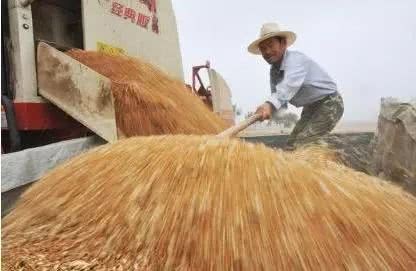
Wheat prices are stabilizing, with further gains likely later on; farmers with stored grain may want to wait a while longer
You are surely aware of how wheat prices kept climbing through June. Now, in mid-July, although the price increase is not as large as last month's, the market is running steadily. And given this year's wheat market situation...
-
What are the control methods for rice viral diseases?
How do you control rice viral diseases? Please explain the methods. Rice viral diseases occur in explosive, intermittent and migratory patterns. The severity of rice viral diseases is closely related to the cropping system, the population size and migration patterns of transmission vectors, climatic conditions and cultivation management measures. Control should implement the plant protection policy of "prevention first, integrated control"...
-
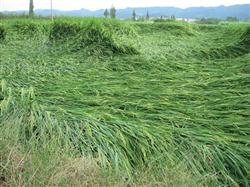
What are the control methods for rice lodging and weed damage?
How to control lodging and weed damage in rice? Please introduce the control methods. Rice is prone to lodging and susceptible to weed damage, and the following countermeasures should be taken: Choose suitable varieties. When selecting direct-seeded rice varieties, besides having good quality, high yield and multiple resistance, they should also have the characteristics of fertilizer tolerance, short stature and moderate tillering. For early rice, medium-maturing varieties should be chosen...
条件筛选