After the onset of the dog days, the weather turns hot; protecting rice from the heat is just as important as protecting people.
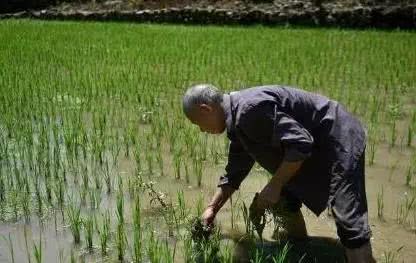
High-temperature heat damage is one of the common diseases of rice. Every year, high-temperature heat damage to rice occurs in some areas and causes serious economic losses. For example, in 2006, high-temperature heat damage to rice occurred in many areas of Anhui, affecting 2 million mu of rice.
The impact of high-temperature heat damage on rice
The dog days began yesterday, which means that the next forty-plus days will enter a period of sustained high temperatures. This is very unfavorable for the growth of rice. Although rice prefers a growing environment with ample light and higher temperatures, excessively high temperatures during the dog days are also very unfavorable for rice growth. The impact is even more serious, especially if the rice is at the booting or heading stage.
Rice during this period is very sensitive to temperature. That is, the period of about ten days before and after rice heading. During this period, the most suitable growing temperature for rice is between 25°C and 30°C. Exceeding this temperature will cause problems such as poor development of rice floral organs and affect pollen maturity. The direct consequence is a serious decline in rice yield. Moreover, because farmers tend to overlook the impact of high temperatures on rice, the impact of high-temperature heat damage on rice is further worsened.
Prevention of high-temperature heat damage in rice
The first step in preventing high-temperature heat damage in rice should be to choose suitable rice varieties.
When choosing rice seed, the selection must be made according to local conditions. In areas prone to rice heat damage in summer, rice varieties with relatively good heat-damage resistance should be selected. Medium-maturity and slightly medium-maturity rice are more suitable, so that the high-temperature-sensitive period of rice can avoid high-temperature weather and reduce the probability of disaster. Generally, Hongliangyou No. 166 and No. 5 are relatively suitable varieties, especially for areas such as Anhui and Hubei.
Second, farmers should also arrange the rice planting time reasonably, trying to stagger the rice heading stage from high-temperature weather.
Third, reasonable paddy field cooling can be carried out. During the high-temperature-sensitive period of rice, maintain the paddy field water layer at about 5 cm, which can provide an appropriate cooling effect. In particular, relatively dry plots must pay attention to drought prevention and cooling work. If the plot conditions are relatively good, the method of irrigating during the day and draining at night can be considered, which is more conducive to cooling the paddy field.
Fourth, fertilizing to enhance the high-temperature resistance of rice is also a good method. Neither base fertilizer nor topdressing can be omitted, and various fertilizers should be used in a balanced way to avoid deficiency symptoms and improve the high-temperature resistance of rice. In addition, it is best to reasonably spray foliar fertilizer before high temperatures arrive. You can choose to spray 50 ml per mu of paddy field of a 600-fold Kangduole solution on rice leaves to reduce high-temperature heat damage. In addition, a 3% superphosphate solution or a 0.2% potassium dihydrogen phosphate solution can also be used in combination to enhance the stress resistance of rice and avoid rice yield reduction.
The above comes from Kexue Xingnong.