-
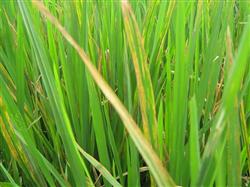
How to prevent and control bacterial brown stripe disease of rice?
Control of bacterial brown stripe disease of rice: 20% Yekuning (Chuanhua 018) wettable powder at 6000 times dilution; 25% Dikushuang at 1500 to 2000 times dilution; 20% Shakujing (Yekujing) wettable powder at 300 to 400 times dilution (not to be used after heading); during the seedling stage, Daisenzam at 1000 to 1500 times dilution may be used; during the main field stage, use 2 to 1 to 500...
-
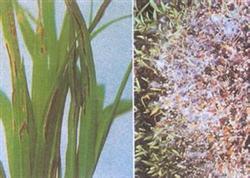
How to prevent and control rice Phytophthora disease? Detailed explanation of control methods
Rice Phytophthora disease: Diseased fields should be drained and dried in time, which can effectively inhibit the spread of the disease. Chemical control should focus on protecting early rice seedlings at the 3-leaf stage. Generally, pesticides should be applied before cold-protection irrigation or after drainage. The pesticides include: 50% carbendazim 1000-fold solution; 50% thiophanate or 50% benomyl 500-fold solution; 40% Phytophthora-killing 500-fold solution....
-
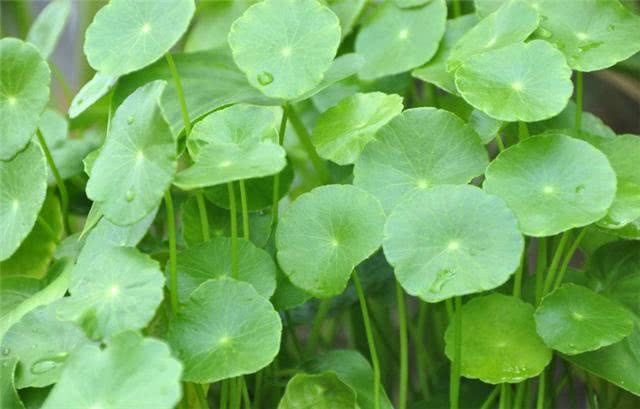
Pennywort grows more and more vigorously when watered with rice water every day; my husband really knows how to grow flowers
Pennywort (Hydrocotyle vulgaris) is a very beautiful foliage plant, much loved by gardening fans, and it is fairly easy to care for. It does not need much fertilizer and is casually managed, much like growing pothos. Gardening fans can usually learn some little tips for growing pennywort...
-
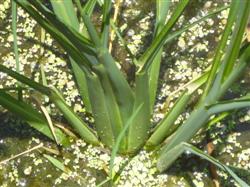
What causes wild rice stem to turn male? Here's how to prevent male wild rice stem
During the cultivation of wild rice stem, plants often emerge that bolt and produce flower stems instead of forming wild rice stem; these are called "male wild rice stem" or "strong wild rice stem". Wild rice stem forms after the plant is infected by the smut fungus, loses the ability to bolt, flower and set seed, and its flower stem swells. The spread of the smut fungus is mainly from the previous year's...
-
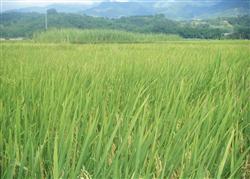
What are the key measures to promote early ripening of rice
1. Harden seedlings early and grow strong seedlings. After the seedlings stand upright, begin small ventilation; after 1 leaf and 1 heart, gradually increase the ventilation amount so that the temperature is controlled at 20-25°C; at the 2-3 leaf stage, gradually switch to uncovering by day and covering by night. At this time, if there are few water droplets on the leaf tips in the morning and evening and the seedbed soil is dry, water thoroughly once, and combine with topdressing in the seedbed. Use 1.5...
-
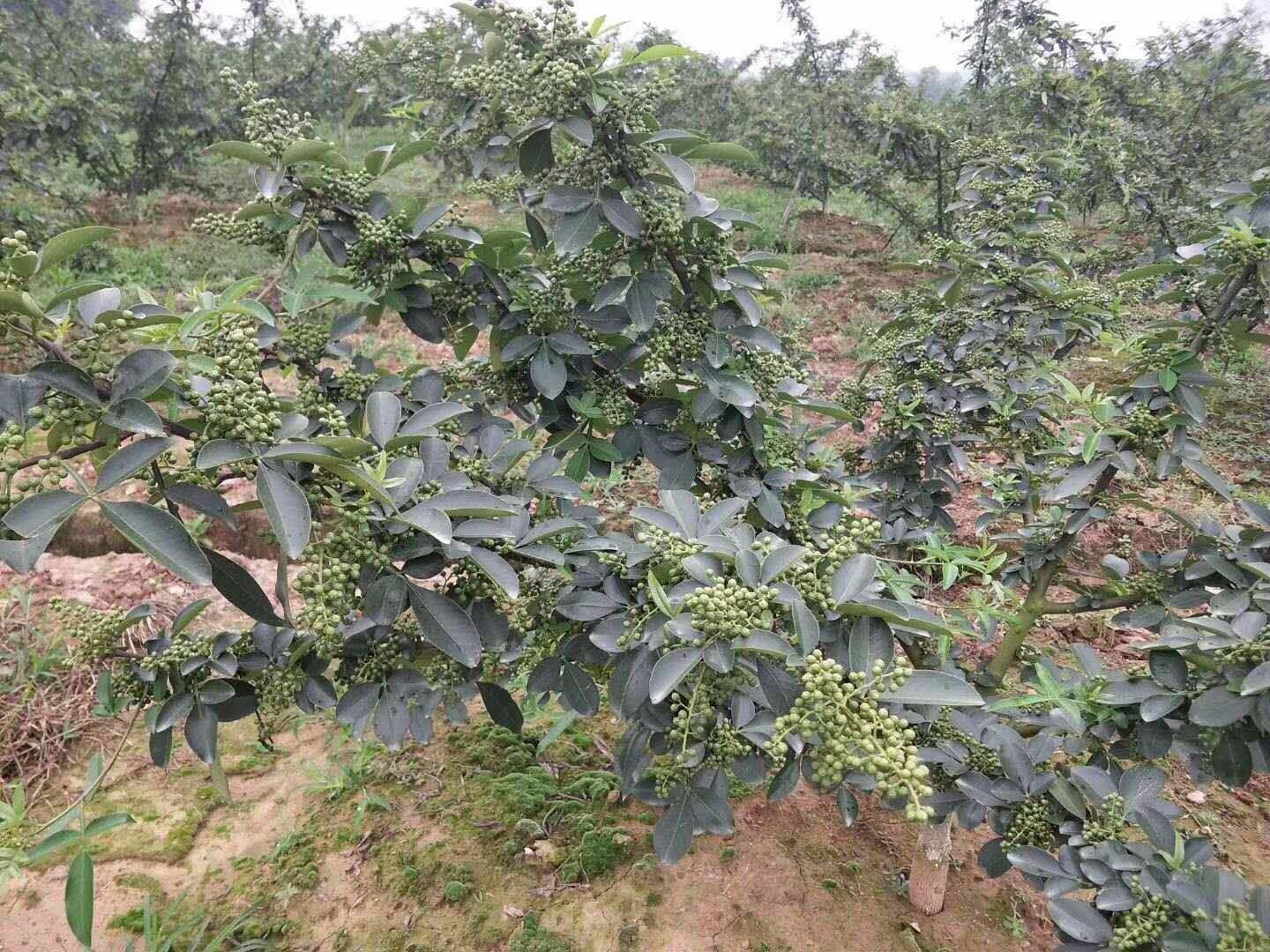
This fruit has no flesh, and some people feel like throwing up when they smell it, yet the wholesale price is as high as 60 yuan per jin
Speaking of China's species, they really are incredibly rich. From daily life to industrial production, many of them come from plants that grow in China itself. Take kitchen items alone: firewood, rice, oil, salt, soy sauce, vinegar and tea are all indispensable in our lives, and without any one of them...
-
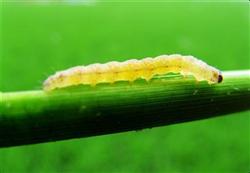
How to prevent and control common rice pests and diseases? A detailed practical guide
Rice bacterial leaf blight is a bacterial disease of rice leaves. The pathogen is Xanthomonas oryzae pv. oryzae in the prokaryote kingdom. The bacterium invades through wounds and water pores in the roots, stems and leaves, and reproduces and causes damage in the vessels of the vascular bundles. Seedlings and tillering stages are the most susceptible. Seedling leaves mostly show leaf blight symptoms. In susceptible varieties...
-
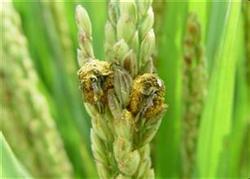
What are the key technical points for controlling rice false smut?
Rice is susceptible to infection during the heading and flowering stage, and the pathogen damages some grains on the panicle. At first, a pale yellow-green mass appears at the seam of the glumes, gradually expands, and finally covers the entire glume shell. It is 3-4 times larger than a healthy grain, dark green, with a smooth surface, and later splits open, releasing dark green powder. Weather is closely related to the occurrence of rice false smut;...
-
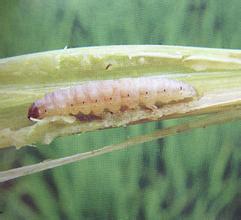
Introduction to Several Control Measures for the Rice Stem Borer
The rice stem borer, also known as the rice stalk borer or heart borer, is one of the major pests harming rice. Its larvae have a diverse diet and also damage corn, sorghum, and other crops. A normal outbreak can reduce yields by 5-10%, and a severe outbreak can reduce yields by more than 30%. Snatching grain from the pest is also an urgent matter. Several control measures are introduced here for reference only. 1....
-
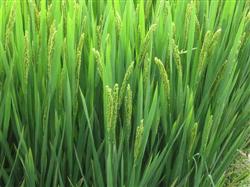
Detailed Explanation of Fertilizer Requirements at Each Growth Stage of Rice
Nitrogen absorption pattern: Rice is very sensitive to nitrogen nutrition and it is the most important factor determining rice quality. Throughout its life, rice maintains a relatively high nitrogen concentration in its tissues, which is a nutritional and physiological trait required for high-yielding rice. Rice has two obvious peaks in nitrogen absorption: one is at the tillering stage, that is, 2 weeks after transplanting...
条件筛选