-
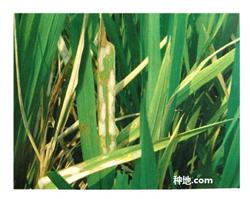
How can chemical control of rice pests and diseases reduce pesticide damage?
How to treat rice sheath blight? What methods can be used to prevent and control rice sheath blight? The following measures are mainly taken: 1. Select disease-resistant varieties. 2. Salvage sclerotia to reduce the source of inoculum. 3. Strengthen cultivation management, apply sufficient base fertilizer, apply topdressing early, do not apply nitrogen fertilizer alone, increase phosphorus and potassium fertilizer, adopt formula fertilization technology, so that...
-
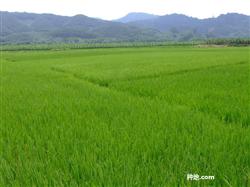
What are the methods for controlling rice pests and diseases in summer?
How to control pests and diseases in rice in summer? Need guidance. According to trend analysis, in summer and autumn, rice pests and diseases focus on the "three insects and three diseases" (namely rice leaf roller, rice planthopper, striped stem borer, rice blast, rice false smut, and sheath blight). In early September, the sixth (4th) generation rice planthopper, the sixth (4th) generation rice leaf roller, the third generation...
-
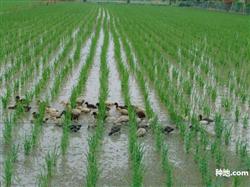
Detailed Explanation of Pollution-Free Control Methods for Rice Pests and Diseases
Pollution-free methods for controlling rice pests and diseases: (1) Rice field plowing and water-soaking technique for killing borers: during the peak pupation period of the overwintering generation of rice borers (before March 20 in southern Jiangxi, April 1 in central Jiangxi, and April 10 in northern Jiangxi), plow winter fallow fields and green manure fields, then flood with deep water and soak, so that the borers cannot emerge normally, thereby killing the pupae and borers and reducing the occurrence base...
-
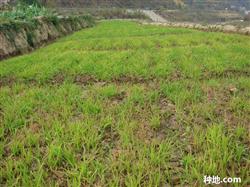
How to prevent and control damping-off disease when raising rice seedlings
How to prevent and control damping-off disease when raising rice seedlings? Asking for guidance. Although dry-raised rice seedling beds are not prone to seedling rot, they are most susceptible to damping-off disease causing seedling death, with 20%-30% loss in mild cases and over 50% in severe cases. The following measures can effectively prevent and control damping-off disease. 1. Acid adjustment treatment of soil: For neutral and alkaline soil, before sowing...
-
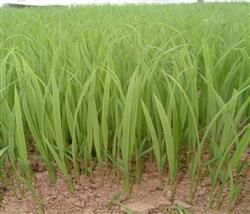
What are the main rice pests and diseases? Common types at a glance
How to raise rice seedlings well? Methods wanted. Rice seedling-raising techniques: 1: How to determine the seedling-raising period? For insulated dry seedling-raising of rice, start raising seedlings and sowing after the air temperature steadily passes 5°C-6°C (after covering with plastic film or greenhouse film, the temperature rises above 12°C). In Heilongjiang Province, this is generally in mid-to-late April; do not sow in May. The best sowing period is April...
-

What are the leeches commonly found in rice paddies most afraid of?
Summary: There are lots of leeches in rice paddies, and what should you do if you get bitten? Leeches are extremely common in daily life, especially when fishing or washing clothes in rivers, and they are also very common in the south during rice transplanting. If you are not careful, one will latch onto your body and suck your blood...
-

Quinoa is expensive; what makes it better than ordinary rice?
Summary: Quinoa has become a trendy whole grain. What kind of "grain" is quinoa exactly? Quinoa (pronounced "li" mai) is probably not very familiar to everyone. What kind of food is quinoa exactly? Many people may not know much about this food. Here we will...
-
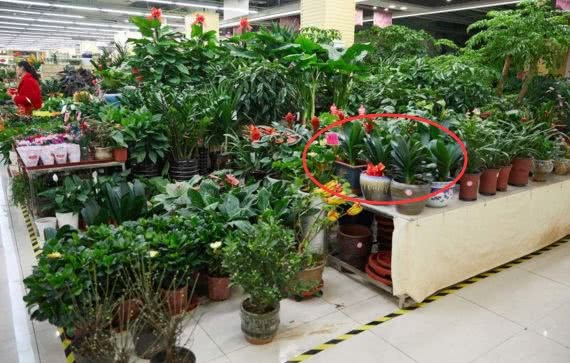
There are tricks at the flower market; a gardening expert reveals that even at half price, you should not buy these 3 kinds of flowers
I believe everyone knows the benefits of growing flowers: they can not only decorate a space, but also purify toxic substances in the air and protect our health. Some plants even have very good symbolic meanings, whether given to friends or...
-

-

How much does a fig sapling cost? Price and planting method introduction
The fig is the fruit of a deciduous shrub in the mulberry family, genus Ficus, also known as Wenxian fruit, milk fruit, Pinxian fruit, etc. It originated along the Mediterranean coast and was introduced to China from Persia during the Tang Dynasty. It is now cultivated in both the north and south, especially in the **south, where its cultivation value is very high and its benefits are very obvious
条件筛选