-
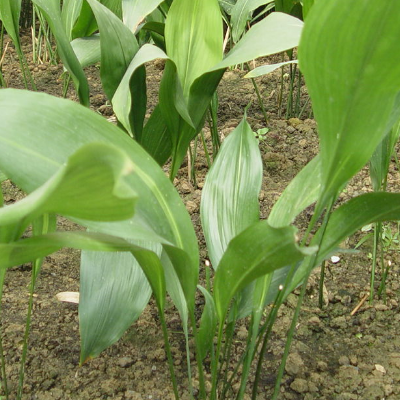
Propagation Methods and Market Prices of the Cast Iron Plant
The cast iron plant (Aspidistra elatior) is a favorite of many growers; it looks beautiful and has high ornamental value, which is exactly why it is so well loved. How do you propagate the cast iron plant? What is the price of the cast iron plant: How to propagate the cast iron plant: The cast iron plant is an evergreen plant with upright, neat leaves, and the leaf color is deep green and glossy, elegant yet dignified. In addition
-
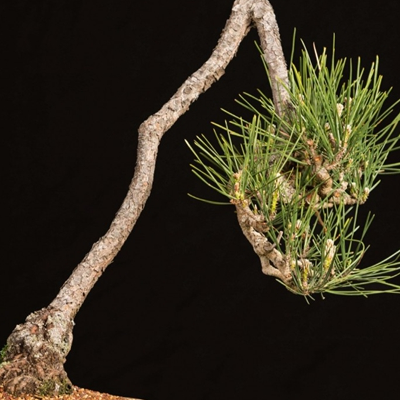
Black Pine Bonsai Care Methods and Price Details
Black pine bonsai is a type of bonsai that many people like to grow, and its shape is also super good-looking. What are the care methods for black pine bonsai? What is the price of black pine bonsai: Black pine bonsai care methods: (1) Environment. Black pine is a cold-resistant and drought-resistant plant, and can be placed in a place with sufficient light and air circulation.
-
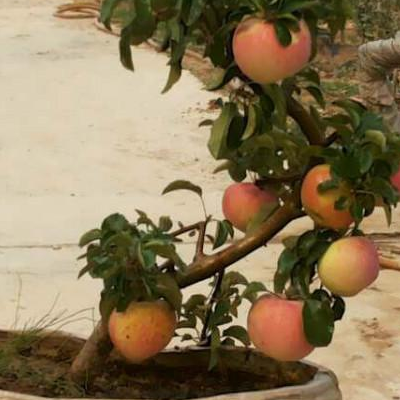
Apple Bonsai Growing Methods and Market Price Introduction
Apple is also something to eat, everyone knows apples grow on apple trees, how do you grow apple bonsai? What is the price of apple bonsai: How to grow apple bonsai: (1) For pest and disease control of apple bonsai. Under normal circumstances, apple bonsai that are well managed will not have pests and diseases, but once they appear
-
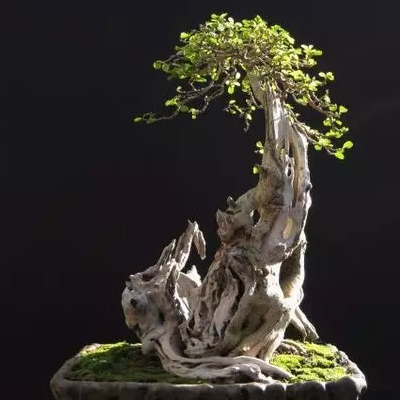
How to Grow Bonsai Plants and an Introduction to Their Market Prices
Bonsai plants are loved by many people, and growing bonsai plants at home is a real pleasure. How do you grow bonsai plants? How much do bonsai plants cost? How to grow bonsai plants: 1. Watering - how to water is an important factor affecting the growth of bonsai plants.
-
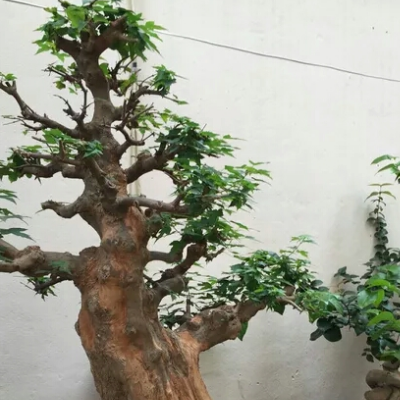
Trident Maple Bonsai Pruning Methods and Price Guide
Trident maple is a tree that can grow very tall and looks quite attractive. How do you prune a trident maple bonsai? What is the price of a trident maple bonsai? How to prune a trident maple bonsai: Normally, the branches of a trident maple will grow to around one meter long by late May. At this time, you need to select and set the branches for styling
-
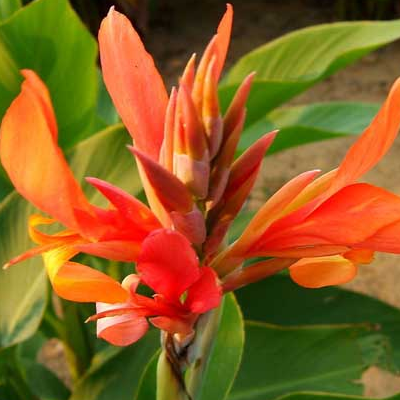
Canna Lily Potted Plant Prices and Complete Growing Guide
Canna lily is a perennial herbaceous plant with fleshy roots, native to South America and India, and later widely cultivated in China. So how much does a potted canna lily cost? What are the cultivation techniques for potted canna lilies? How much does a potted canna lily cost: canna lily seedlings are 0.4 yuan per plant, which is quite cheap.
-
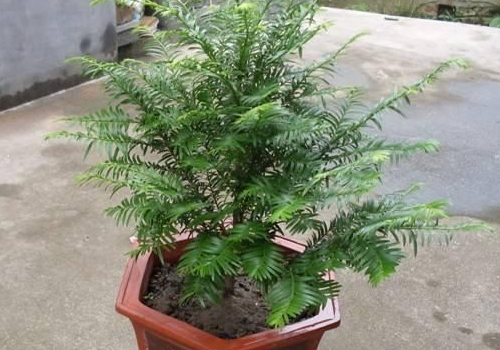
Cultivation Methods and Price Guide for Yew Bonsai
The yew (Taxus) is a nationally protected plant, so wild specimens must not be touched; you can buy cultivated ones. How do you grow yew bonsai? How much does it cost? How to grow yew bonsai: choose a spot for the bonsai with good air circulation. 2. When the potting soil becomes slightly compacted
-

Rice Cake Garden Party: Small Farmers' New Year Market, Tofu Tangyuan DIY, Spring-Welcoming Family Games
◤Rice Cake Garden Party: Rice Cake Market . Small Farmers' New Year Goods . Tofu Tangyuan DIY . Spring-Welcoming Family Games◢
-

Six Improvements in No-Till Cultivation of Autumn Potatoes with Rice Straw Mulching
Autumn potatoes can be harvested in December and marketed as vegetable potatoes, giving relatively good returns. Adopting no-till cultivation of autumn potatoes with rice straw mulching not only saves labor and time, reduces labor intensity, and prevents environmental pollution caused by burning rice straw, but also yields about 1500 kg per mu, an increase of more than 10% over plowed and sown crops. Especially in recent years, in conjunction with production demonstrations, agricultural technicians have made some improvements to this technology, making it further mature. Specifically, these are the "six improvements": switch to early-maturing excellent varieties. Effective growth period of autumn potatoes
-
How to identify common easily confused symptoms in rice
I. Several kinds of bacterial wilt 1. Purple sheath blight bacterial wilt. Mostly seen in the late stage of late rice, often occurring in clumps in the field, and also with several plants affected in one hill. The base tissue of the rice is soft-rotted, with dark brown lesions. Peeling open the basal leaf sheath and stem, many black sclerotia smaller than amaranth seeds can be seen. 2. Bacterial foot rot bacterial wilt. Occurs sporadically in the field, generally 1-3 plants affected in one hill; the base of diseased plants shows mouse-gray rot, the root system is sparse and decayed, and peeling open the basal stem reveals it is full of foul water, with no sclerotia. 3. Physiological bacterial wilt. The rice stem shrinks and dries, and when the base of the rice stem is pinched by hand it is shrunken and hollow, making the plant prone to lodging, resembling damage by brown planthopper sclerotia. But there is no insect body at the stem base, no lesions, and no sclerotia in the leaf sheath and basal stalk; it mostly occurs when late rice is near maturity, with patches and blocks of bacterial wilt and wilting.
条件筛选