Black Pine Bonsai Care Methods and Price Details
Black pine bonsai is a type of bonsai that many people like to grow, and its shape is also super good-looking. What are the care methods for black pine bonsai? What is the price of black pine bonsai:
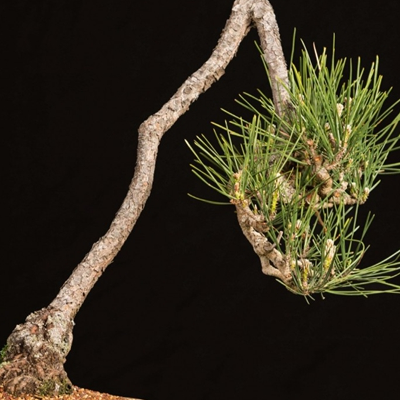
Black pine bonsai care methods:
(1) Environment
Black pine is a cold-resistant and drought-resistant plant, and can be placed in a place with sufficient light and air circulation. When growing small black pines, avoid prolonged exposure to direct sunlight. In winter, the indoor temperature where black pine is placed should not be too high, and it can be placed outdoors to overwinter.
(2) Watering
When caring for black pine, watering must not be excessive. It is suitable to water only when the black pine soil has dried, and when watering, it should be watered thoroughly. During the growth period of black pine, water should be properly controlled, which can make the branches thick and short, giving them more ornamental value.
(3) Pruning
During the cultivation of black pine, in order to maintain its beautiful shape, appropriate pruning needs to be carried out regularly. The pruning work is mainly based on bud removal. During March to April each year, the newly grown tender buds are removed, and some can be left to continue growing, making the black pine more lush. If the branches do not need to continue growing, all of them can be removed.
(4) Fertilizing
Black pine is a plant tolerant of barren soil. It can grow and survive normally even if the soil has no nutrients, making its branches thick and short and its needles short and small, and its shape more beautiful. However, it can be properly fertilized, which is more beneficial to its health and can prevent disease and pest damage.
The price of black pine bonsai:
As a relatively popular potted tree species on the current market, black pine varies in price according to its shape and size. Generally, the price of large black pine bonsai with good shape is around several thousand to ten thousand, while if it is small with thin and weak branches, the price is around several dozen to several hundred.
The care methods and price of black pine bonsai are introduced here. Hurry and get one for your home to enjoy.
Black pine bonsai care methods
(1) Environment
Black pine is a cold-resistant and drought-resistant plant, and can be placed in a place with sufficient light and air circulation. When growing small black pines, avoid prolonged exposure to direct sunlight. In winter, the indoor temperature where black pine is placed should not be too high, and it can be placed outdoors to overwinter.
(2) Watering
When caring for black pine, watering must not be excessive. It is suitable to water only when the black pine soil has dried, and when watering, it should be watered thoroughly. During the growth period of black pine, water should be properly controlled, which can make the branches thick and short, giving them more ornamental value.
(3) Pruning
During the cultivation of black pine, in order to maintain its beautiful shape, appropriate pruning needs to be carried out regularly. The pruning work is mainly based on bud removal. During March to April each year, the newly grown tender buds are removed, and some can be left to continue growing, making the black pine more lush. If the branches do not need to continue growing, all of them can be removed.
(4) Fertilizing
Black pine is a plant tolerant of barren soil. It can grow and survive normally even if the soil has no nutrients, making its branches thick and short and its needles short and small, and its shape more beautiful. However, it can be properly fertilized, which is more beneficial to its health and can prevent disease and pest damage.
Black Pine Bonsai Creation and Black Pine Bonsai Care
Black pine is an evergreen tree of the genus Pinus in the family Pinaceae. It is native to Japan and the southern coastal areas of Korea, and is suitable for growing in warm and humid maritime climate regions. It is best grown in sandy soil with deep soil layers, loose texture, and humus content. It is not only an excellent plant for potting, but also an excellent seedling widely used in landscaping. Let us take a look below at the creation and care of black pine bonsai!
Applications of black pine bonsai
Black pine bonsai has strong adaptability to the environment and can be cultivated in courtyards and balconies. Its branches spread horizontally, its crown is like a canopy, its needles are deep green, it is evergreen all year round, and its tree posture is ancient and elegant, so it can be appreciated all year round. During the growth period, it is suitable to be placed outdoors in a place with sufficient sunlight and air circulation, and it should not be placed indoors for a long time. Black pine stump bonsai cultivated for many years have old trunks that are vigorous and twisted, with gnarled roots, expressing a rare posture and tenacious vitality, and are excellent products for home ornamental cultivation.
Habits of black pine bonsai
Black pine is mostly propagated by seed sowing. Its germination rate is high, reaching 85%, and the seedlings grow vigorously. For seeds, collect the cones in mid-to-late October, expose them to the sun to thresh, winnow to clean the seeds, and store them in bags for winter. Spring sowing should be early. The nursery land is best with loose soil and well-drained slightly acidic soil. Combine with land preparation, apply sufficient base fertilizer, and carry out soil disinfection. Before sowing, soak the seeds in a 0.5% potassium permanganate solution for 2 hours, then soak them in 60°C warm water for one day and night (naturally cooling), then take them out and spread them in a warm place, sprinkling water 1 to 2 times a day, and they can be sown after one week. In mid-to-late April, they begin to germinate and emerge, and they can emerge completely in 10 days. In that year, the seedlings can reach 10 to 15 cm tall. For potting, strong 2-to-3-year-old saplings can be selected, and then processed and shaped.
Creation of black pine bonsai
1. When digging, the digging surface should be expanded, and care should be taken to bring as much soil as possible. Because black pine grows in sandy and gravelly soil on hillsides, there is less soil, and in winter the weather is dry, the soil has low moisture content and poor stickiness, so when digging, the soil around the roots should be protected as much as possible. This is because the soil around the roots is rich in root fungi, which are symbiotic bacteria of black pine and are extremely beneficial to root growth. After digging, simple wrapping with plastic bags should be done promptly to prevent soil loss during transport, so as to facilitate transplanting.
2. When digging, care should be taken to protect the root system of the black pine. Digging should start at a place somewhat farther from the pine tree. First, dig out the soil around it. The main root should be retained as much as possible. The cut of broken roots should be smooth, and rotten roots should be cut off. Damage to the root system should be avoided as much as possible. In particular, the lateral roots and fibrous roots of black pine that are embedded in sand and gravel are relatively weak, so they should be kept as long as possible and especially well protected when digging.
3. The dug-out black pine should be planted in soil promptly, the sooner the better. If too much time passes, the roots will lose water and dry up, affecting survival. To prevent the roots from being buried too deep, high planting and shallow planting can be adopted, and then soil can be added on top and ridged for coverage. If conditions for cultivating in the ground are unavailable, it should be potted promptly.
4. Potting black pine is very important. Before planting, first place a layer of crushed stone and tiles at the bottom of the pot to facilitate air permeability and drainage, then fill the surrounding area firmly with soil. If there are too many gaps in the soil, it is easy to cause frozen roots, so cover the pot with a straw curtain to prevent freezing. The best soil is the original soil from the mountain, or a mixed soil prepared from coarse yellow sand, coal ash, and yellow mud in a ratio of 0.5:0.25:0.25. After potting, heavy pruning should be carried out promptly. Too many branches and leaves will affect the root system's water supply, causing insufficient water supply and consuming a large amount of water and nutrients.
Care of black pine bonsai
1. Environment: Black pine is cold-resistant and drought-resistant, and can be placed all year round in courtyards on terraced slopes and balconies, and in places with sufficient light and air circulation. However, small bonsai should not be exposed to strong sunlight in midsummer. In winter, it can overwinter in the open ground, and it is best to bury the whole pot in a sunny and wind-sheltered place. If overwintering indoors, the room temperature should not be too high, and it can be moved outdoors at Qingming Festival.
2. Watering: Black pine likes dryness and dislikes water accumulation. Watering must not be excessive. Water only when dry, and water thoroughly when watering. Properly controlling water during the growth period can make the branches thick and short and the needles short and small, adding ornamental value. In summer high temperatures, water can often be sprayed on the leaf surface, which is beneficial to growth.
3. Fertilizing: Black pine is tolerant of poor soil. It can still grow normally when the soil lacks fertilizer, and it promotes a short trunk, dense branches, and short leaves. However, properly applying dilute decomposed cake fertilizer water 1 to 2 times during the growth period is beneficial to healthy growth and increases resistance to diseases and pests.
4. Pruning: In order to maintain its beautiful and elegant tree shape, black pine bonsai should be appropriately pruned. During the growth period, pruning is mainly based on bud removal. From March to April each year, when new buds have elongated but have not yet produced needles, about 1/2 of each terminal bud can be removed. If the bonsai does not need to grow more branches, all terminal buds can be removed. For branches that affect the beauty of the tree shape, pruning can be done during the dormant period.
5. Repotting: Black pine bonsai is generally repotted once every 3 to 5 years, preferably in February to March. When repotting, keep the original pot soil intact when taking it out, remove 1/2 of the old soil, cut off overly long roots as well as dead and rotten roots, and at the same time prune some unnecessary branches and leaves to maintain the balance between the upper and lower parts of the pot soil. If the capacity of the original pot is insufficient, a slightly larger new pot can be used, and the planting method is the same as potting.