-

Wild capture methods, living habits and artificial breeding techniques of the rice field eel (Monopterus albus)
Wild capture, living habits and artificial breeding of the rice field eel
-
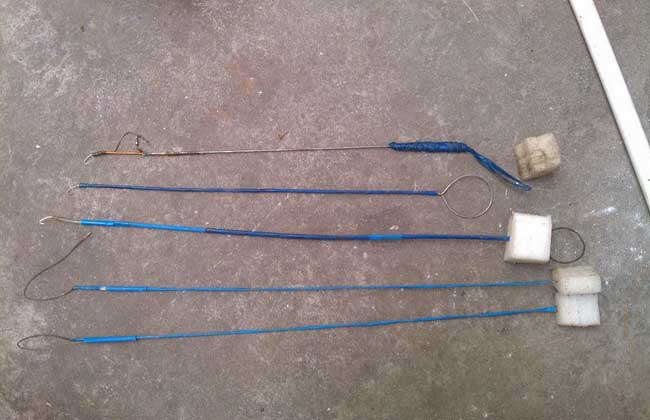
What are some practical tips and methods for catching rice field eels
What are the tips for catching rice field eels?
-
-
-
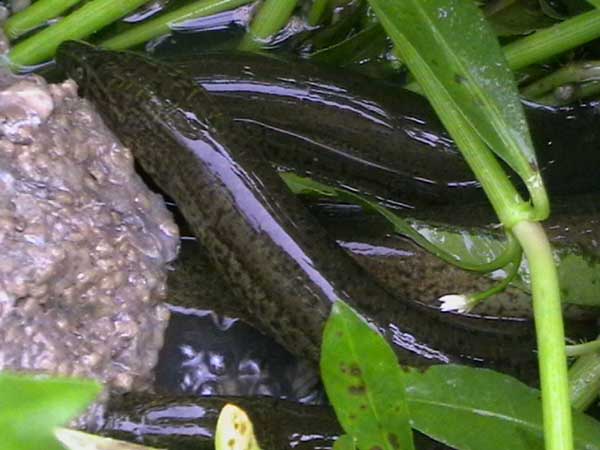
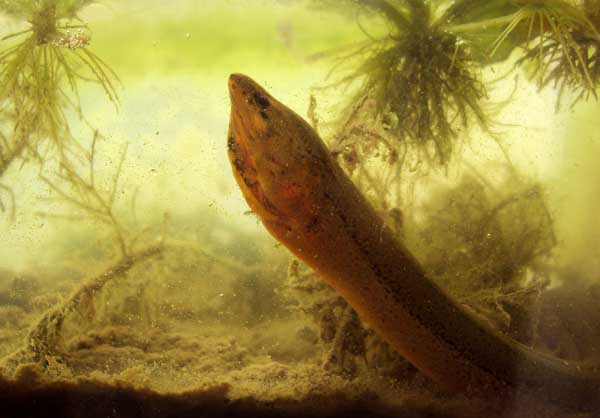
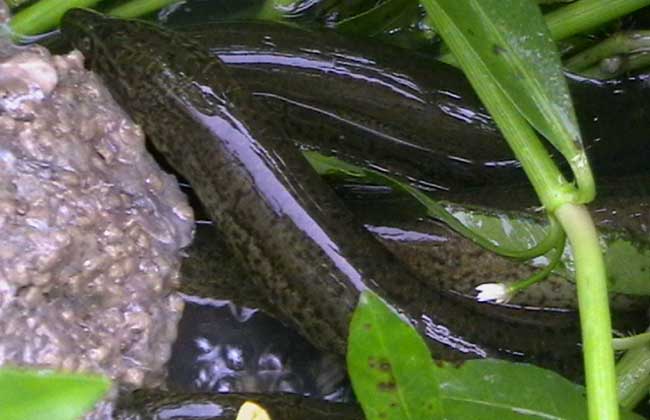
What are the characteristics of the rice field eel's living habits?
The living habits of the rice field eel
-
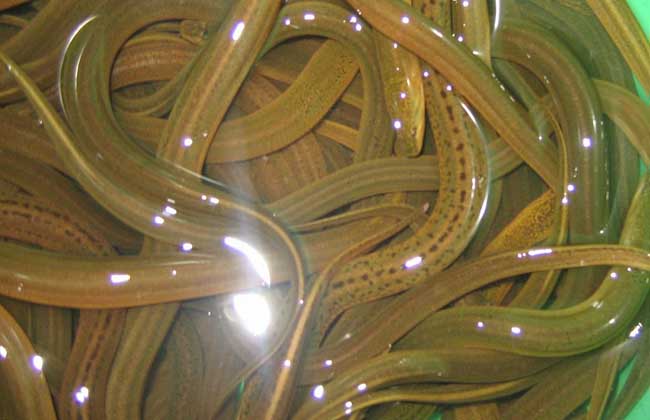
Key Technical Points for High-Density Rice Field Eel Farming in Small Ponds
High-Density Rice Field Eel Farming Technology in Small Ponds
-
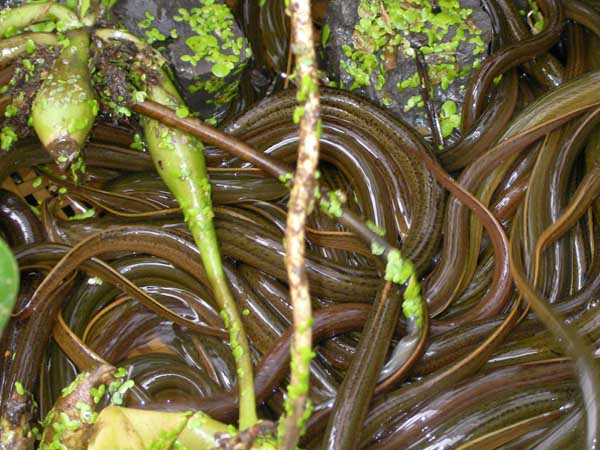
How to tell male from female in rice field eels? Accurate methods for distinguishing female and male
How to accurately distinguish female from male rice field eels
-
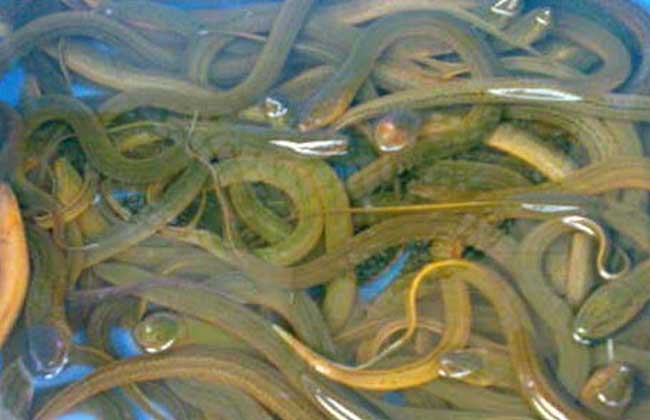
Detailed Explanation of the Domestication Feeding Method for Wild Rice Field Eel Culture
The Feeding Training Method for Wild Rice Field Eel Culture
-
Suzhou rice field eel prices decline after National Day, farmers not very enthusiastic about selling
Suzhou market rice field eel prices decline after National Day, farmers not very enthusiastic about selling
-
Detailed Explanation of Techniques for Self-Breeding Rice Field Eel Fry
1. Selection and Cultivation of Parent Eels. Eels used for breeding must have a robust physique and swim actively. The body color is best in coarse black mud, yellow-brown, or black speckled, green-brown. The source of parent eels should be those caught in cages the same day with relatively small wounds. Rice field eels (Monopterus albus) have sex reversal characteristics; 1-winter-age and 2-winter-age rice field eels are basically female, and after 2-winter-age rice field eels spawn, the proportion of males gradually increases, until at 6-winter-age they are basically male. During the non-spawning season, it is difficult to distinguish male from female; generally, body length and body weight are used as standards, generally body length 37-50 cm, weight 7
条件筛选