-
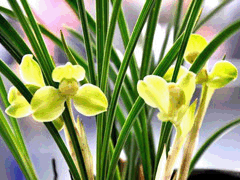
What should be noted when repotting orchids? Keep these points in mind
Points to note when repotting orchids
-
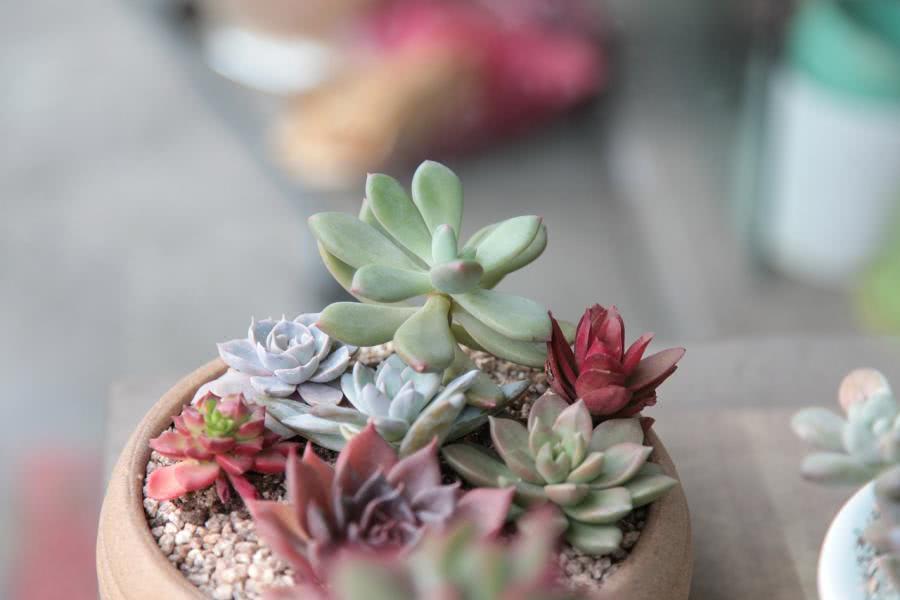
When these situations occur with succulents, repot them promptly.
Many people nowadays like to grow succulents. Succulents are relatively easy to grow, but all kinds of situations can still arise. If any of these situations occur with the succulents you are growing, repot them right away! Succulents tend to prefer...
-
How to repot a Guzmania? Detailed methods and steps
Guzmania can be repotted throughout the entire year. First, choose a larger new pot for it, add some rough stones to the bottom, dig it out when the soil is relatively dry, clean off the old roots and rotten roots, then move it into the new pot, firm the soil down around it, water it thoroughly, and place it in a shady area to recover.
-
How to repot gloxinia? Detailed explanation of the correct method and steps
It should be repotted in winter, then choose the required soil, and afterward dig out the dormant tuber; if there are a lot of roots, they can be trimmed appropriately. There is also a trick to choosing the pot: it only needs to be a little larger than the tuber, and the upper half of the tuber must be left exposed.
-

Succulents grow beautiful in the warm sun, but only repotting with fresh soil lets them grow new fleshy growth
As temperatures rise, spring has quietly arrived around us. Spring is undoubtedly the season when succulents grow fastest. With the spring breeze blowing, what can we do to help our lovely succulents? If you yourself still haven't...
-
A Detailed Guide to Bonsai Repotting Practice Methods
Bonsai repotting is a skill that every bonsai enthusiast must master. Many beginners may not know how to get started and practice, so today let's learn about repotting. 1. Preparation work before repotting Step one: For the confirmed...
-

Do one extra step when repotting, and you won't get root rot for 10 years; the leaves will be lush green and it will bloom nonstop through all four seasons
When growing plants, first grow the roots. Only when the roots are healthy can the plant flourish with lush branches and leaves, green foliage and bright flowers. There is an old saying in China: "deep roots, lush leaves; a firm base, thriving branches" - that is exactly what this means. Even for succulents and pothos, which are easy-care plants, if the roots are unhealthy, the branches and leaves above the soil...
-
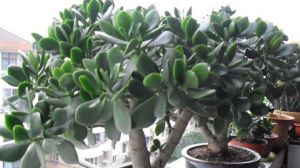
How to repot a jade plant? The correct method and precautions
Time: any time except the cold of winter, but it is best done in March or April. Method: first take it out of the original pot, place it together with the root soil ball into a slightly larger new pot filled with new soil, then fill in new soil.
-
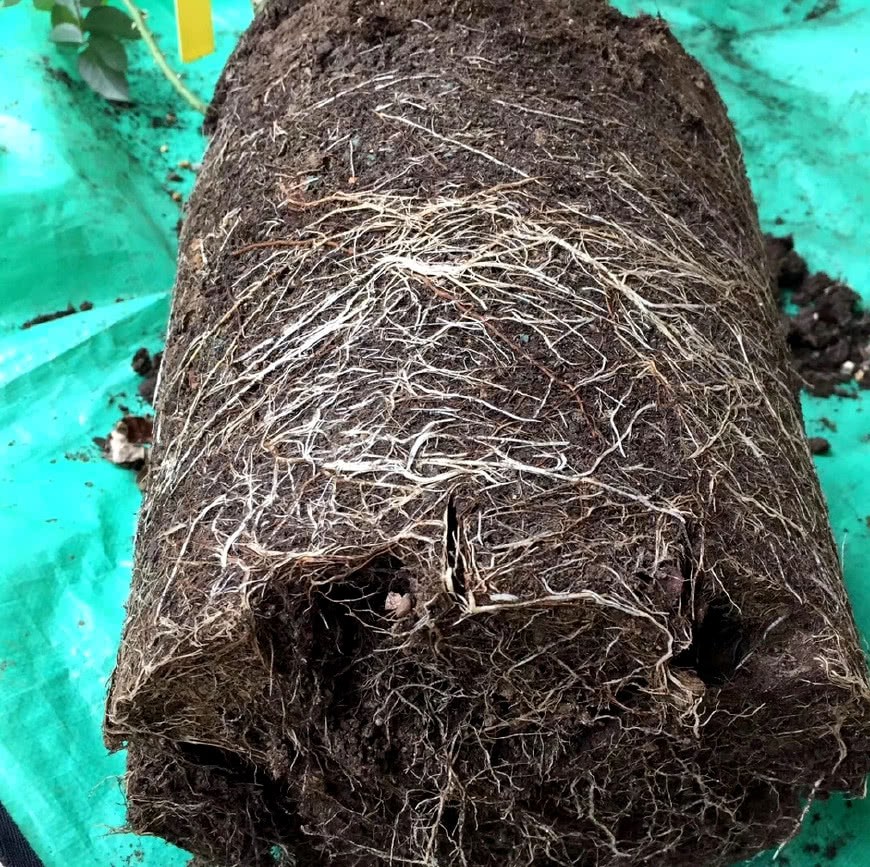
Treat the leftover soil from repotting this way to turn it into new soil, rich in nutrients and free of insect eggs, and your flowers will grow like crazy
Many gardening friends have left comments asking whether the soil left over from repotting flowers can still be used again. The answer is of course yes, but it must be treated before use! Let me teach you how to do this: old soil becomes new soil, with nutrients and no insect eggs, and the flowers all...
-
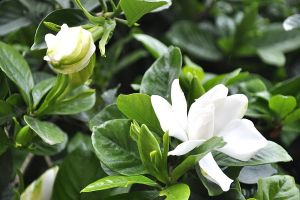
How to care for a gardenia after repotting? Master these care methods
After repotting, the plant will be relatively weak, so the care that follows is very important. There are mainly five aspects. One is the humidity in the environment. If it is very dry, you can use a spray bottle to increase humidity. Next is light. Right after repotting, it must be shaded appropriately. Once new leaves grow, give it appropriate light. Then there is ventilation; the air needs to circulate. The fourth point is water; after repotting, do not water too frequently. Every two or three days, water only after you see the soil has dried out. Finally, you can mix some (FeSO4) solution, or a few drops of vinegar, into the water you use, because it likes acidic soil.
条件筛选