-
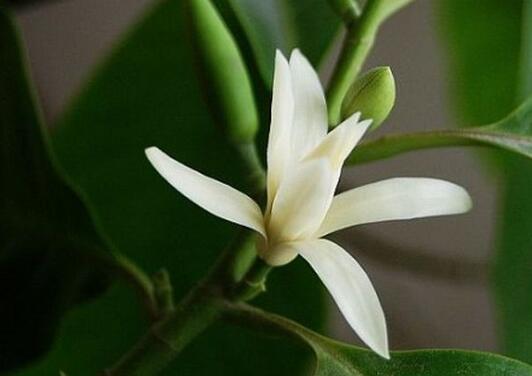
How to repot a white orchid tree (Michelia alba)? Master post-adaptation soil removal and four-season care management
The white orchid tree (Michelia alba) is a highly ornamental flowering plant that can be seen in many regions of our country. However, to grow it well, there are many things to pay attention to, such as regular repotting and seasonal care, none of which can be done carelessly. So how do you repot a white orchid tree?
-
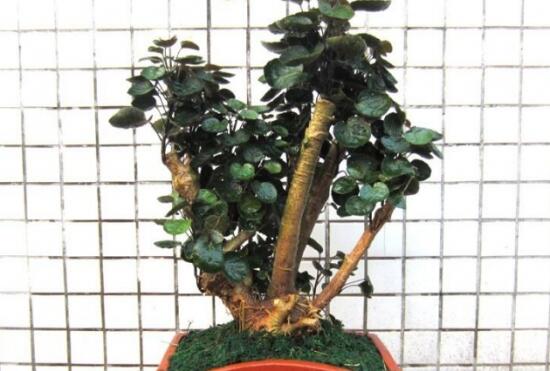
How to repot a Polyscias fruticosa (Ming aralia), when to repot it / repot once every 2-3 years
As a beautiful foliage plant, the Ming aralia is deeply loved by gardening enthusiasts and is kept in many homes. However, to grow it well, there are some care techniques you must master, and repotting is one of them. During the growing process, it is best to repot the Ming aralia once every 2-3 years
-
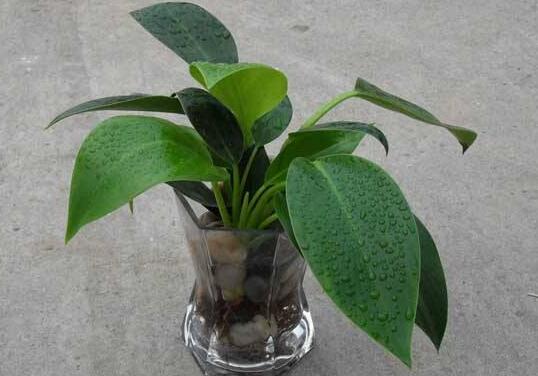
How to care for Philodendron 'Golden Diamond' (Philodendron bipinnatifidum) through the four seasons? A full guide to watering, repotting and propagation
The leaves of the Golden Diamond can keep extremely high ornamental value in semi-shade, because it can grow in a semi-shaded environment. However, the changing seasons make light, temperature, humidity and so on different in each season, so the care and management methods are also different in each season.
-
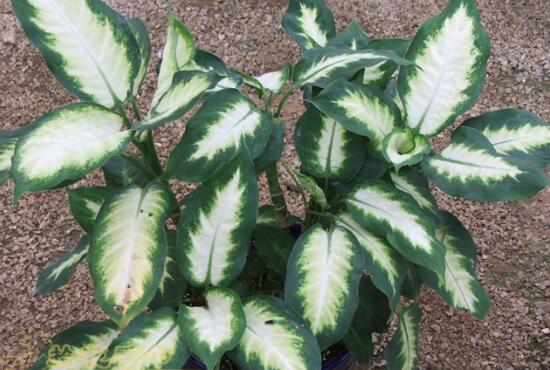
Winter care for Dieffenbachia requires temperature control, repotting in October, and watering once a week
Dieffenbachia, a variety of the dumb cane, has broad leaves with bright-colored spots, making it highly ornamental. In daily life, because Dieffenbachia is so useful, many people keep it at home. But for beginners, Dieffenbachia is not easy to care for in winter, and it can suffer cold damage if you are not careful
-
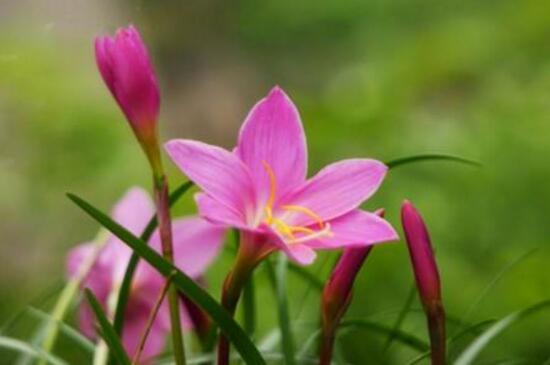
Repotting time and method for rain lilies: repotting once a year can yield more flowers
Rain lily, also known as Zephyranthes, is a very beautiful plant. It is not only good-looking but can also predict the coming of wind and rain. In daily life, gardeners who grow rain lilies all look forward to it blooming, and this requires everyone to master some care techniques, such as repotting. So, how do you repot a rain lily?
-
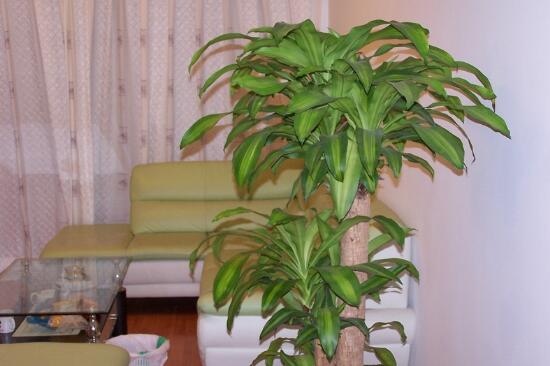
How to repot a Dracaena fragrans? Repot in spring or autumn, once every 1-5 years
Dracaena fragrans, everyone should have heard of it; it is a famous new-generation indoor foliage plant. Although Dracaena fragrans is easy to grow, during cultivation there is one problem that troubles many flower lovers, and that is repotting! Once it has not been repotted for a long time, the plant will develop all kinds of problems, so how do you repot a Dracaena fragrans?
-
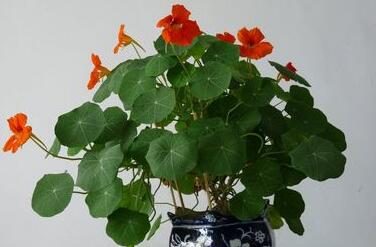
How to repot and transplant nasturtium? Choose the right time and soil, and provide good aftercare following transplanting
Because nasturtium grows quickly, it easily outgrows its pot, so after a period of time it needs to be given a new pot and soil. Since after repotting nasturtium needs to adapt to the new pot and soil environment, some skill is required during transplanting to ensure it gets through this period smoothly.
-
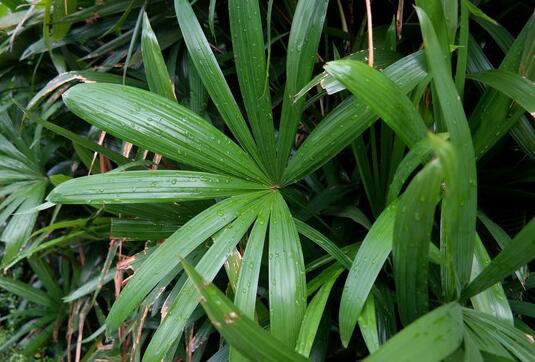
How to repot the broadleaf lady palm? Early March is the most suitable time for repotting
During the cultivation of the broadleaf lady palm, it needs to be repotted once every 2-3 years, which allows it to grow better. However, there are many things to pay attention to when it comes to repotting. So how do you repot a broadleaf lady palm? What are the precautions for repotting a broadleaf lady palm? Let us walk you through it below.
-
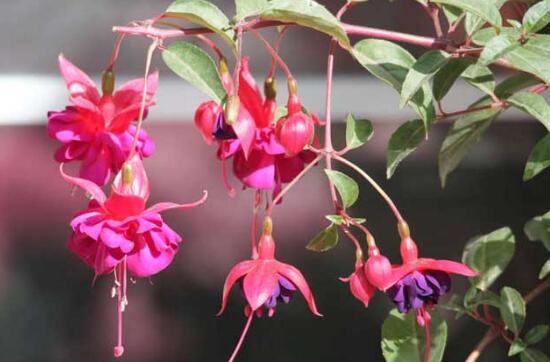
What to do when the leaves of the fuchsia turn yellow? Get the light, water, fertilizer and repotting timing right
As for the fuchsia, everyone should have seen it; its flowers are shaped like lanterns, and also like upside-down bells, so it is also called the "upside-down golden bell." Although the beauty of the fuchsia lies mainly in its flowers, when its leaves turn yellow and develop problems, it also affects its looks. So, what should you do when the leaves of the fuchsia turn yellow and soft? On this
-
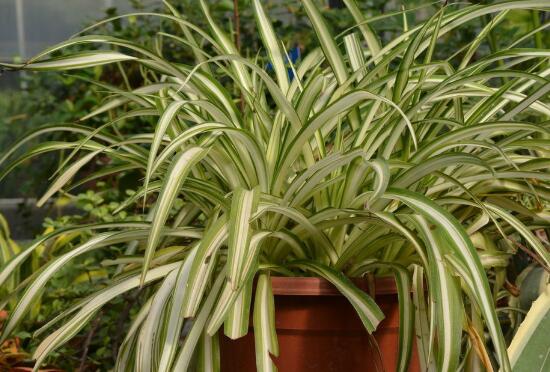
What to do about root rot in a Variegated Spider Plant? Trim off the rotten roots, repot with fresh soil, and manage water and fertilizer properly
The Variegated Spider Plant (Chlorophytum comosum 'Vittatum'), the most beautiful of the spider plants, has slender, drooping leaves with yellow-white longitudinal stripes down the center, making it very elegant and attractive. But once the Variegated Spider Plant suffers root rot, its leaves will show all kinds of problems, which affects the overall ornamental appeal of the plant. So what should you do about root rot in a Variegated Spider Plant? On this point
条件筛选