How to repot a Dracaena fragrans? Repot in spring or autumn, once every 1-5 years
Dracaena fragrans, everyone should have heard of it; it is a famous new-generation indoor foliage plant. Although Dracaena fragrans is easy to grow, during cultivation there is one problem that troubles many flower lovers, and that is repotting! Once it has not been repotted for a long time, the plant will develop all kinds of problems, so how do you repot a Dracaena fragrans? When can a Dracaena fragrans be repotted? For this, let's take a look together with the editor at the method for repotting Dracaena fragrans.
1. How to repot a Dracaena fragrans, timing/method
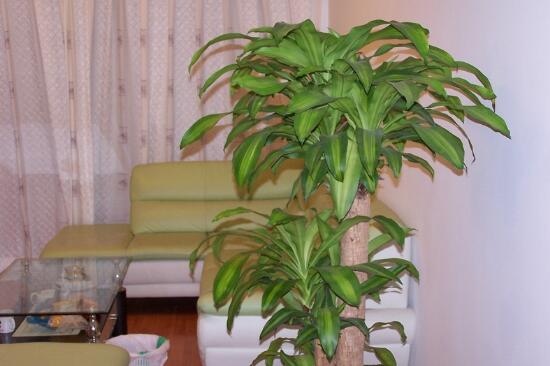
As a common foliage plant, Dracaena fragrans grows very fast, and its root system will keep growing larger while the flower pot stays the same. So in order for the Dracaena fragrans to continue growing, repotting becomes a very key issue. As for how to repot a Dracaena fragrans, you first need to choose the right time, and then master the correct repotting method; let's continue reading below for the specific steps.
1. When can a Dracaena fragrans be repotted
According to the growth habits of Dracaena fragrans, the time to repot it should be chosen in spring and autumn, because during this period the Dracaena fragrans grows relatively slowly, and the impact of repotting on it will be reduced to a minimum.
2. How many years between repotting a Dracaena fragrans
Now that you know the specific repotting time for Dracaena fragrans, how often should it be repotted? For this, we need to decide according to the type of Dracaena fragrans and its growth momentum. Generally speaking, small pots are repotted once every 1-2 years, and large pots once every 2-3 years; if your Dracaena fragrans grows relatively slowly, then according to the actual situation, you can choose to repot once every 3-5 years.
3. What soil to add when repotting a Dracaena fragrans
About this question, it is very simple; as introduced in the cultivation methods for Dracaena fragrans, choose loose, fertile soil that drains well and contains humus. Specifically, you can use a soil mixed in proportion from peat soil, leaf mold, and garden soil with perlite.
4. Method for repotting a Dracaena fragrans
How to repot a Dracaena fragrans: after completing the above preparations, you can formally begin repotting. When repotting, you do not necessarily have to replace all the old soil; everyone can replace it according to the actual situation. Generally, about half of the previous old soil is removed, and then new soil is added.
When repotting a Dracaena fragrans, it has already grown for 1-2 years, and its root system has basically spread throughout the entire flower pot, so when repotting, corresponding root treatment should also be done. Method: when repotting, cut off the rotting roots and aged roots, and use medicine to disinfect the roots to prevent the plant roots from being infected by bacteria.
2. Precautions for repotting a Dracaena fragrans
How to repot a Dracaena fragrans has been explained clearly above, but when repotting, everyone should also pay attention to a few points: ① Place some coarse stones or tiles at the bottom of the new flower pot to increase drainage; ② Before repotting, disinfect the bonsai to prevent pests and diseases; ③ If the pot being used is old, it must be cleaned before it can be used again.
How to repot a Dracaena fragrans
The timing for repotting a Dracaena fragrans
The repotting time for Dracaena fragrans is usually chosen in spring and autumn, because during this period the tree grows relatively slowly.
The repotting cycle for Dracaena fragrans
The repotting cycle for Dracaena fragrans should be based on the size of the pot for repotting, the type of Dracaena fragrans, and the growth momentum of the tree. Generally speaking, a larger pot is repotted once every 2 to 3 years, and a smaller flower pot once every 1 to 2 years. If your own Dracaena fragrans grows relatively slowly, it can also be repotted once every 3 to 5 years.
Repotting a Dracaena fragrans
A very important thing when repotting a Dracaena fragrans is changing the potting soil. Each time you repot, the potting soil should be replaced according to the actual situation. Generally, about half of the previous old soil is removed, and then new soil is added.
Root treatment when repotting a Dracaena fragrans
After a Dracaena fragrans has grown for 1 to 2 years, its root system will basically spread throughout the entire flower pot, which will affect the plant's absorption of water and nutrients. Therefore, when repotting, those rotting roots and aged roots should also be cut off, so when repotting, medicine should be used to disinfect the roots to prevent the plant roots from being infected by bacteria.
Precautions for repotting a Dracaena fragrans
When choosing a flower pot for repotting, pay attention to drainage, and place some coarse stones or tiles at the bottom of the pot
Before repotting, pay attention to disinfecting the bonsai
A flower pot that has been used once must be cleaned before it can be used again
Changing soil and repotting a Dracaena fragrans
1. Repotting time
Dracaena fragrans is usually repotted in spring and autumn when the tree grows slowly.
2. Repotting interval
The repotting interval should depend on the size of the pot for repotting, the type, and the growth of the tree. Generally, large pots are repotted once every 3-5 years, medium pots once every 2-3 years, and small pots once every 1-2 years. For Dracaena fragrans that grows fast, it can be repotted once every 1-2 years; for slow-growing ones, once every 3-5 years.
3. Removing old soil
Each time you repot, according to the specific situation, remove 1/3-1/2 of the old soil and replace it with new soil.
4. Root treatment
After one or two years of cultivation, the old roots of a potted tree often fill the bottom of the pot, affecting the absorption of water and nutrients. Therefore, in combination with repotting, cut off the old roots and rotting roots to encourage the sprouting of new roots. For the roots, it is best to use medical eye ointment or sulfonamide ointment for disinfection to prevent bacterial infection.
5. The drainage hole at the bottom of the pot should be covered with tiles to prevent soil loss when watering
At the same time, a layer of coal cinder or coarse sand can be spread at the bottom of the pot to facilitate drainage.
That is all for today's content. To learn more, please follow Four Seasons Plant Network!