-

How do you prevent and control rapeseed viral disease in rapeseed cultivation?
What harm does rapeseed viral disease cause? How do you prevent and control rapeseed viral disease? Please explain. Viral disease is one of the main diseases of rapeseed. Affected plants reduce yield by about 20%, and in severe cases by more than 70%. It is generally more susceptible in years with little rain or in areas where vegetables are often grown nearby. Methods for preventing and controlling rapeseed viral disease: ...
-

What are the common pests during rapeseed cultivation?
What are the common pests of rapeseed? How are these pests controlled? Please advise: the common pests of rapeseed are mainly rapeseed aphids and imported cabbageworms. For control methods, refer to the following list: Rapeseed aphid control method: In lightly affected fields, physical control can be used, that is, evenly place 10 yellow sticky traps per mu of vegetable field to trap and kill aphids...
-

Which herbicides make it impossible to plant rapeseed afterward?
After using which herbicides can rapeseed not be planted? How long must the interval be before rapeseed can be planted? Please explain. As reference, herbicides harmful to rapeseed include the following: after using Pursuit (imazethapyr, imazethapyr acid) the interval must be 40 months before planting rapeseed; after using chlorimuron-ethyl (chlorimuron, chlorimuron-ethyl)...
-

How do you control striped flea beetles in rapeseed cultivation?
What harm do striped flea beetles cause to rapeseed? How do you control striped flea beetles in rapeseed? Please explain the methods. The harm of striped flea beetles to rapeseed: The striped flea beetle is commonly known as the cabbage flea and soil flea, and its larva is called the white maggot. This insect can not only fly but is also good at jumping, making it difficult to catch on the leaves; when disturbed, it jumps to the ground or to field-edge ditches, ...
-
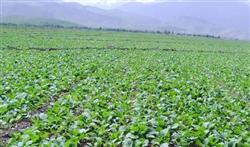
Why is the seedling stage the key period for applying phosphate fertilizer to rapeseed?
Rapeseed is a crop with a relatively high boron requirement. When boron is deficient at the seedling stage, the root system stops growing, there are no root hairs or no lateral roots, and the growing point turns from brown to scorched and dies; applying rapeseed boron fertilizer in a timely manner plays an important role in achieving high yield and good quality in rapeseed. The specific method is: boron fertilizer applied as a base fertilizer is applied directly into the soil, and can be applied to rapeseed...
-
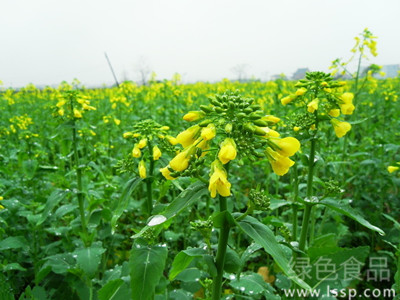
Improved Rapeseed Cultivation Method - High and Stable Yield, Low Cost Cultivation
Improved Rapeseed Cultivation Method - High and Stable Yield, Low Cost Cultivation
-
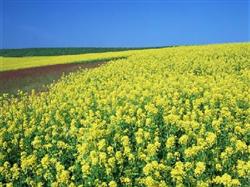
What are the precautions for chemical weed control in rapeseed?
What should be noted when using chemical weed control in rapeseed? Please give guidance. For chemical weed control in rapeseed, the higher the temperature, the faster the effect. The best control effect is achieved during the vigorous growth period of weeds (before the 3-4 leaf stage), that is, about 20 days after rapeseed transplanting. 1. It is strictly prohibited to use herbicides banned by the state. Such as metsulfuron-methyl, chlorsulfuron, tribenuron-methyl and their compound formulations...
-
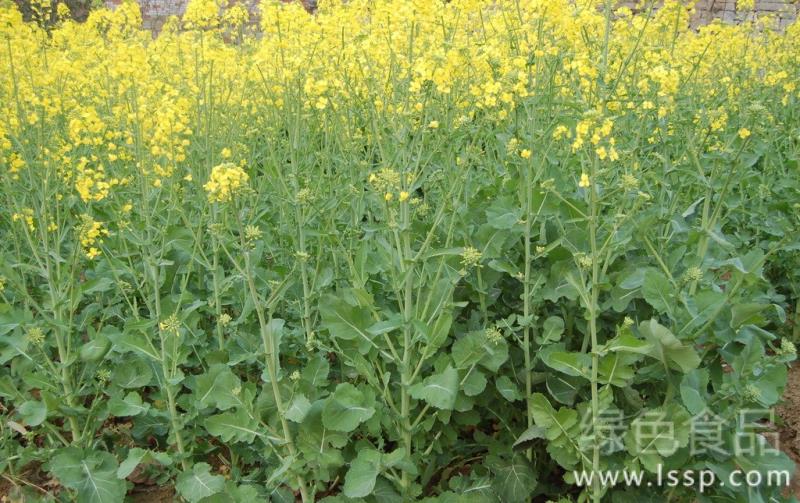
How to scientifically formulate fertilizer for rapeseed after spring and how to apply topdressing
How to scientifically formulate fertilizer for rapeseed after spring and how to apply topdressing
-
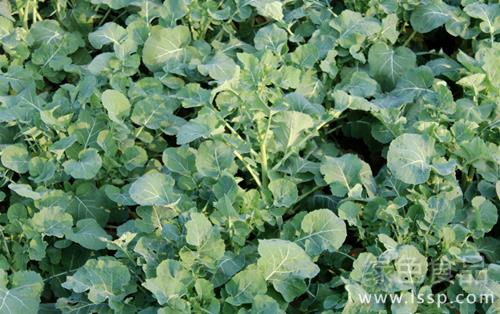
Rapeseed Seedling Raising and Transplanting Management Techniques Help Increase Yield
Seedling Raising and Transplanting Increase Rapeseed Yield: Rapeseed Seedling Raising and Transplanting Management Techniques
-
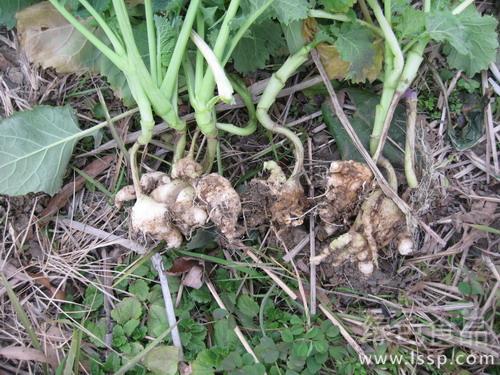
Clubroot of rapeseed causes root swelling, rotting, and wilting. How can it be prevented and controlled?
Root swelling, rotting, and plant wilting: prevention and control methods for rapeseed clubroot
条件筛选