-
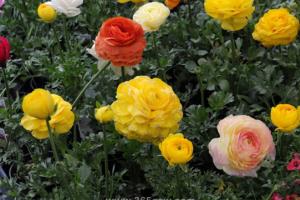
Summary of experience in home cultivation and care of Ranunculus asiaticus
Home cultivation and care experience for Ranunculus asiaticus
-
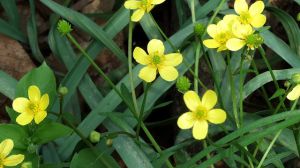
The difference between Ranunculus ternatus and Orthosiphon aristatus, teaching you to quickly tell the two apart
Plant distinction: Ranunculus ternatus grows about 5 to 20 cm tall; Orthosiphon aristatus grows about 1 to 1.5 m tall. Leaf distinction: the former's leaves are 5 to 40 mm long; the latter's leaves are about 1.2 to 5.5 cm long. Fruit distinction: the former's fruit is about 6 mm in diameter; the latter's fruit is 2 mm long.
-
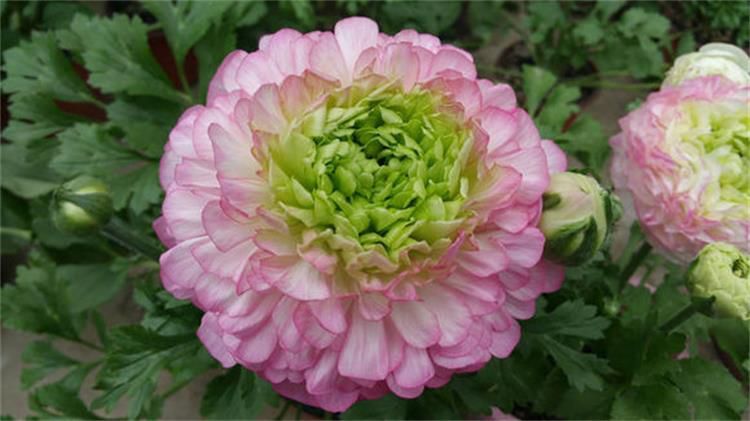
Ranunculus isn't very famous, but the flowers it produces are exceptionally pretty
Ranunculus, unlike Chinese roses, orchids, bougainvillea and the like, is not widely known, but although its "fame" is small, it has not diminished flower lovers' affection for it in the slightest, especially once it blooms, so pretty, who knows how many flower lovers have been...
-
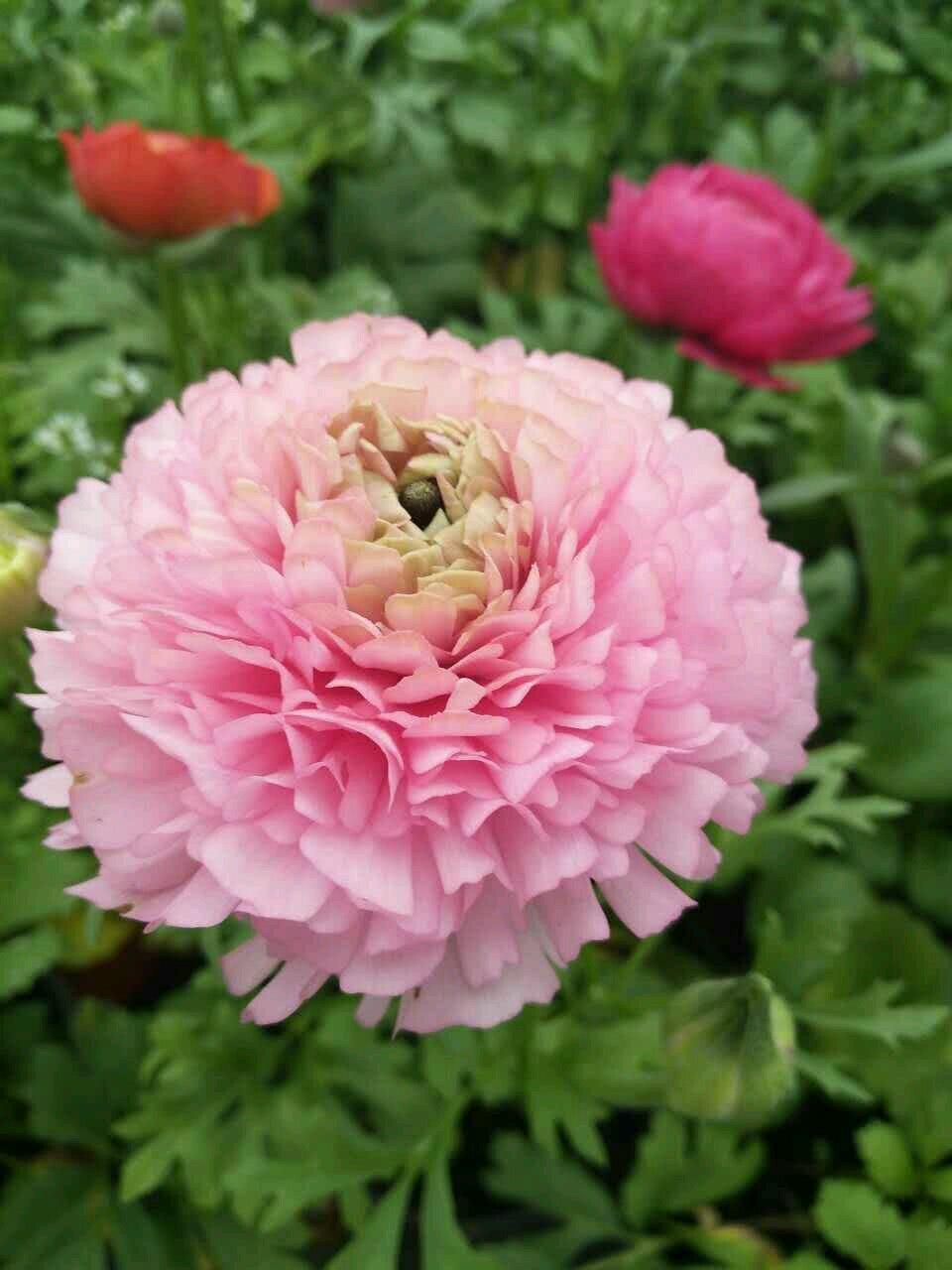
3 little tips for ranunculus care: sprout in half a month and bloom nonstop next spring
Ranunculus (Persian buttercup) has delicate flower shapes and brilliant colors, and its double flowers look a lot like peonies. A pink ranunculus given to your sweetheart or a friend in business is a good choice, and it has always been deeply loved by flower growers. Experience in growing this variety is still not...
-
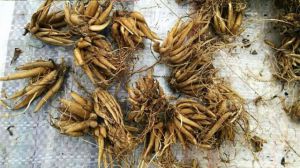
How Many Days Does It Take for Ranunculus Corms to Sprout? A Detailed Explanation of Sprouting Time
Generally, ranunculus corms take about 10-20 days to sprout. However, if the care conditions are not ideal, they may sprout later or even fail to sprout at all. To make them sprout quickly, it is best to place them in a relatively cool spot at 5-15°C and keep the soil moist.
-

How to grow Ranunculus asiaticus from seed? Detailed sowing method
When growing Ranunculus asiaticus, seed selection is very important; choose plump seeds produced by healthy mother plants. Sowing is best done in autumn, and before sowing, the seeds also need low-temperature stratification to promote germination. Soil is also very important; use loose, fertile, slightly acidic soil. About ten days after seed treatment, you can sow. Scatter them evenly over the soil surface, then just control temperature and humidity.
-
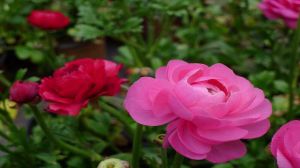
How to water Ranunculus asiaticus? A detailed guide to the correct watering method
Ranunculus asiaticus (Persian buttercup) is fairly drought-tolerant, but it is afraid of waterlogging. Right after planting, water it thoroughly once using the soak method. During the growth stage, control water in the early period, and ensure an adequate water supply during the vigorous period, watering once every day. However, in summer you should control it appropriately and reduce watering, otherwise the roots rot easily; just spray some water. In winter, reduce watering or do not water at all.
-
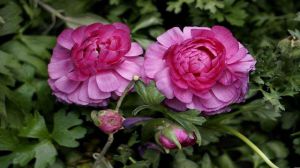
How to Plant Ranunculus Corms? A Detailed Guide to the Planting Method
It is better to plant ranunculus corms in October to November. You can use a flower pot with thinner walls and larger holes in the bottom. The growing medium can be mixed yourself. First, carry out the sprouting treatment. After that, put sand in the container and bury the corms in it. Water thoroughly once, then place in a semi-shaded spot. Note that during this sprouting period you should not water.
-

How to care for Ranunculus after flowering? Detailed post-bloom care methods
First, fertilizer must be supplied in sufficient amounts to prepare for the growth that follows. Besides fertilizer, the soil should ideally also be treated by adding some humus. Next, pruning is needed: cut off the spent flowers to keep them from continuing to consume nutrients. In addition, the temperature must be kept suitable, around 15 to 20°C during the day and 7 to 8°C at night.
-
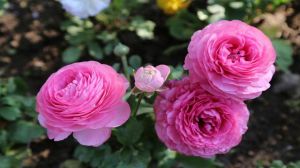
How long does the flowering period of Ranunculus asiaticus (Persian buttercup) generally last?
The flowering period of Ranunculus asiaticus lasts about 30-40 days, and if it is cared for well, this time can be extended. Its specific blooming time is April-May every spring; if its plants are planted in September-October of the previous year, it will be able to bloom during this period.
条件筛选