-
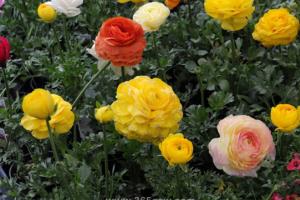
Summary of experience in home cultivation and care of Ranunculus asiaticus
Home cultivation and care experience for Ranunculus asiaticus
-
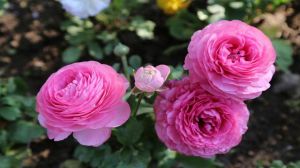
How long does the flowering period of Ranunculus asiaticus (Persian buttercup) generally last?
The flowering period of Ranunculus asiaticus lasts about 30-40 days, and if it is cared for well, this time can be extended. Its specific blooming time is April-May every spring; if its plants are planted in September-October of the previous year, it will be able to bloom during this period.
-
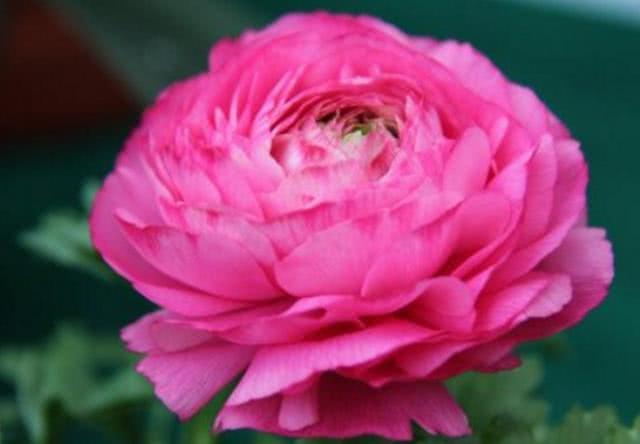
How do you tell the varieties of Florist's Ranunculus apart, is it easy to grow, and how does it differ from the peony?
When you see the name of this flower, does it make you think of the celery used in cooking? This flower is not celery, though; its leaves merely look somewhat like celery, and its blooms bear a slight resemblance to the national flower, the peony, so people combined its leaves and its name and called it celery peony. There are quite a few kinds of this flower; what are they classified by? And if you want to cultivate it, how should you grow it? Please see the following.
-
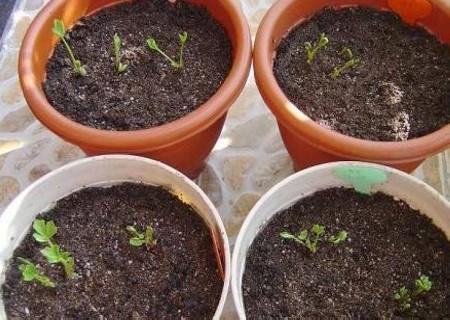
Detailed Guide to Planting Ranunculus Bulbs in Pots
Normally, the flower stems of potted ranunculus (Ranunculus asiaticus) emerge in spring, meaning it blooms in spring. However, the leaves sprouting from the flower stems are often stalkless, and each flower stem can bear 1-3 small flowers. Although the flowers are not large and mostly appear in single-petal form...
-
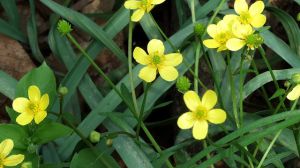
The difference between Ranunculus ternatus and Orthosiphon aristatus, teaching you to quickly tell the two apart
Plant distinction: Ranunculus ternatus grows about 5 to 20 cm tall; Orthosiphon aristatus grows about 1 to 1.5 m tall. Leaf distinction: the former's leaves are 5 to 40 mm long; the latter's leaves are about 1.2 to 5.5 cm long. Fruit distinction: the former's fruit is about 6 mm in diameter; the latter's fruit is 2 mm long.
-
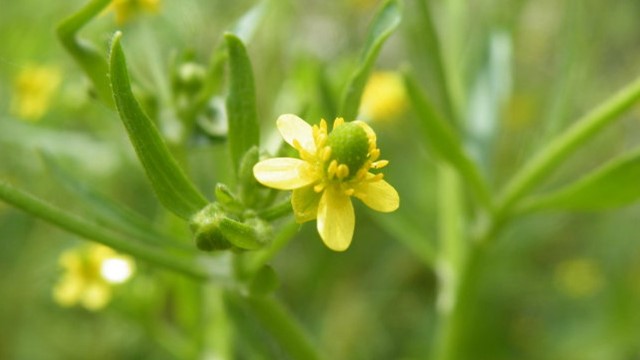
What are the benefits and effects of Ranunculus sceleratus? Explained clearly in one article
Reducing swelling and relieving pain: Ranunculus sceleratus can relieve the swelling and pain caused by bruises or sprains. Dispelling wind and removing dampness: it can treat rheumatic joint swelling and pain in the elderly and relieve the adverse symptoms caused by this disease. Clearing heat and detoxifying: it helps the body expel waste and toxins. Treating malaria: it can treat malaria caused by heatstroke and can also improve the symptoms of swollen and painful gums.
-
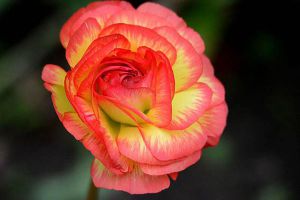
What to do when Ranunculus leaves turn yellow? Cause analysis and solutions
There are four reasons for this in Ranunculus: the first is water yellowing, the second is fertilizer yellowing, the third is drought yellowing, and the fourth is alkaline yellowing. If it is water yellowing, we need to control watering and move it to a shady place; if it is fertilizer yellowing, we need to flush out the excess flower fertilizer with water; if it is drought yellowing, we need to replenish water in time; if it is alkaline yellowing, we need to add some vinegar to it.
-
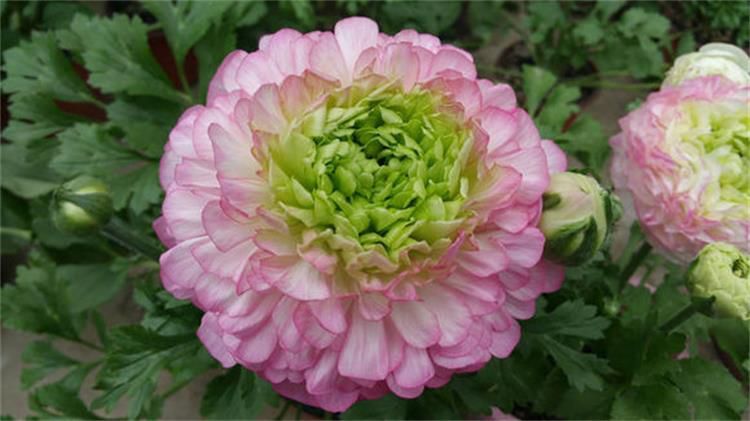
Ranunculus isn't very famous, but the flowers it produces are exceptionally pretty
Ranunculus, unlike Chinese roses, orchids, bougainvillea and the like, is not widely known, but although its "fame" is small, it has not diminished flower lovers' affection for it in the slightest, especially once it blooms, so pretty, who knows how many flower lovers have been...
-
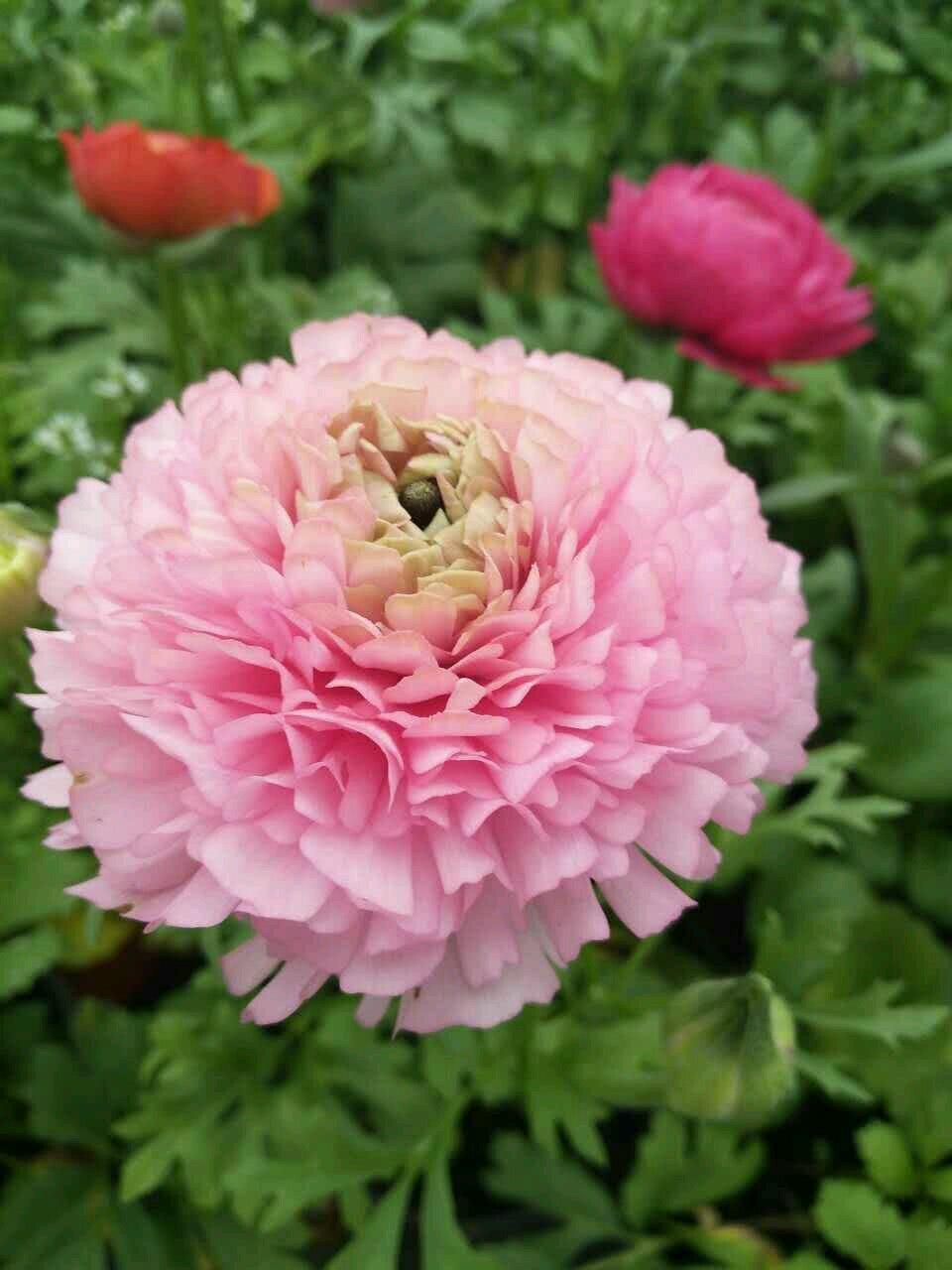
3 little tips for ranunculus care: sprout in half a month and bloom nonstop next spring
Ranunculus (Persian buttercup) has delicate flower shapes and brilliant colors, and its double flowers look a lot like peonies. A pink ranunculus given to your sweetheart or a friend in business is a good choice, and it has always been deeply loved by flower growers. Experience in growing this variety is still not...
-
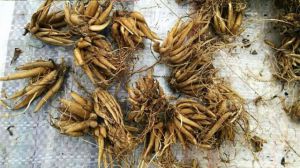
How Many Days Does It Take for Ranunculus Corms to Sprout? A Detailed Explanation of Sprouting Time
Generally, ranunculus corms take about 10-20 days to sprout. However, if the care conditions are not ideal, they may sprout later or even fail to sprout at all. To make them sprout quickly, it is best to place them in a relatively cool spot at 5-15°C and keep the soil moist.
条件筛选