-
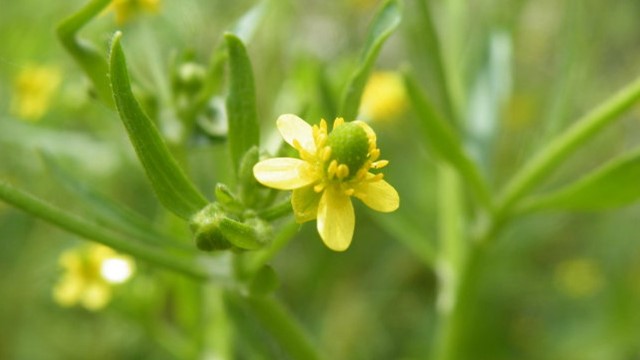
What are the benefits and effects of Ranunculus sceleratus? Explained clearly in one article
Reducing swelling and relieving pain: Ranunculus sceleratus can relieve the swelling and pain caused by bruises or sprains. Dispelling wind and removing dampness: it can treat rheumatic joint swelling and pain in the elderly and relieve the adverse symptoms caused by this disease. Clearing heat and detoxifying: it helps the body expel waste and toxins. Treating malaria: it can treat malaria caused by heatstroke and can also improve the symptoms of swollen and painful gums.
-

Ranunculus is a perennial plant; learn about the characteristics of this flower
The ranunculus plant has a delicate and elegant form, with rich and vivid flower colors, and is a perennial herbaceous flower. Ranunculus is an emerging flower with an unusual flower shape and a distinctive style, making it an ideal flower for spring potted display.
-
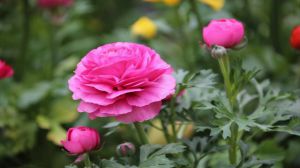
How do you grow ranunculus (Persian buttercup) so it blooms quickly?
To make ranunculus bloom quickly, wait until it has grown 3 to 4 leaves, then transplant it into a 16 cm diameter flower pot, change the soil afterward, and once Frost's Descent (Shuangjiang) has passed, place it in a low-temperature greenhouse, where the best temperature is between 10 and 20 degrees. Next, apply appropriate topdressing, and in the early bud stage thin the buds appropriately and cut off the spent flowers.
-
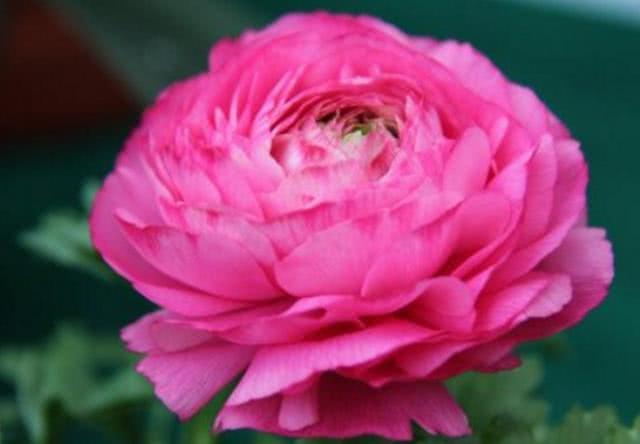
How do you tell the varieties of Florist's Ranunculus apart, is it easy to grow, and how does it differ from the peony?
When you see the name of this flower, does it make you think of the celery used in cooking? This flower is not celery, though; its leaves merely look somewhat like celery, and its blooms bear a slight resemblance to the national flower, the peony, so people combined its leaves and its name and called it celery peony. There are quite a few kinds of this flower; what are they classified by? And if you want to cultivate it, how should you grow it? Please see the following.
-
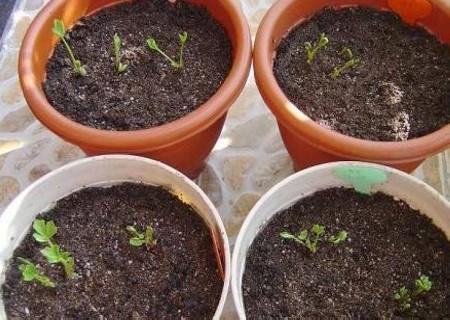
Detailed Guide to Planting Ranunculus Bulbs in Pots
Normally, the flower stems of potted ranunculus (Ranunculus asiaticus) emerge in spring, meaning it blooms in spring. However, the leaves sprouting from the flower stems are often stalkless, and each flower stem can bear 1-3 small flowers. Although the flowers are not large and mostly appear in single-petal form...
-
-
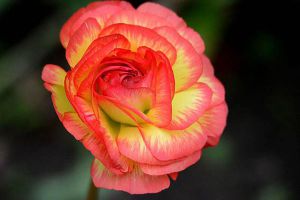
What to do when Ranunculus leaves turn yellow? Cause analysis and solutions
There are four reasons for this in Ranunculus: the first is water yellowing, the second is fertilizer yellowing, the third is drought yellowing, and the fourth is alkaline yellowing. If it is water yellowing, we need to control watering and move it to a shady place; if it is fertilizer yellowing, we need to flush out the excess flower fertilizer with water; if it is drought yellowing, we need to replenish water in time; if it is alkaline yellowing, we need to add some vinegar to it.
-
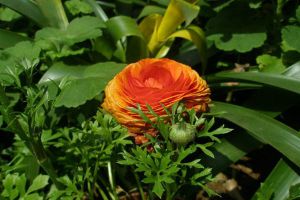
How Does Ranunculus Overwinter? A Detailed Guide to Winter Care Methods
We all know that Ranunculus (Persian buttercup) is a wonderful plant. It grows beautifully, so it is quite popular, but in winter it still needs certain measures to get through. Let us explain this specifically in terms of temperature, light, fertilizing and other aspects. Generally, the temperature should still be kept above zero, and as for light, it still needs fairly ample light. As for fertilizer, it still needs to be applied continuously, though this varies depending on the variety. In addition, watering must not be forgotten.
-
条件筛选