Detailed Guide to Planting Ranunculus Bulbs in Pots
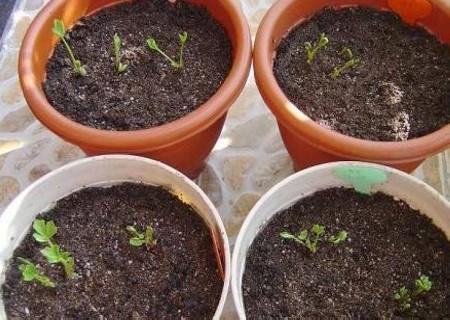
Normally, the flower stems of potted ranunculus emerge in spring, meaning it blooms in spring. However, the leaves sprouting from the flower stems are often stalkless, and each flower stem can bear 1-3 small flowers. Although the flowers are not large and mostly appear in single-petal form, with good improvement they can still produce large double-petaled blooms, and the flower colors are rich and vivid, like miniature peonies.
It is precisely because ranunculus has rich and vivid flower colors that it is deeply loved by flower enthusiasts, who take it up as a household potted plant. But growing ranunculus requires mastering certain techniques, especially when planting bulbs in pots. Below, we will explain the techniques for planting ranunculus bulbs in pots.
In southern China, ranunculus is relatively difficult to grow. It is generally cultivated in autumn and winter; if this planting period is missed, even if it survives successfully, we will find it hard to enjoy its beautiful blooms. But being a beginner is not enough; we also need to master the following techniques:
1. Soaking the bulbs
Before planting ranunculus, we need to soak its tubers in water beforehand, generally for no less than 4 hours. But the bulbs do not need refrigeration; after soaking for enough time, they can be planted.
2. Mixing soil scientifically
When planting ranunculus bulbs, the potting soil used must be sufficiently loose and soft, with good permeability. In the previously published "Potting Soil Mix Plans for Ranunculus," we recommended several quite good options, so you might want to take a look.
3. Appropriate soil covering
In planting ranunculus bulbs, the most critical step is the method of covering with soil, especially getting the thickness of the covering soil right. Usually the soil should not be too deep; let the top part of the tuber be slightly exposed above the surface soil, or cover it with a thin layer of soil about 1-2 cm thick.
4. Checking the tubers
Normally, the bulbs will sprout after being planted for a little over a week. If the time has come and no new shoots have emerged from the bulbs, we need to dig out the tubers and examine them. If the tubers give off a strange smell, it means they have begun to rot, and we had best discard them and then plant again at a suitable time.
For bulbs that sprout normally, the first thing we see is that they grow leaves first, and generally only gradually send up flower stems before or after the New Year. So everyone should have some understanding of this.