-

Things to note when growing morel mushrooms - Vegetable growing - Qiangnong Network. When growing morel mushrooms, you must pay attention to these few issues.
The young man in the greenhouse in the picture is named Wang Kui. He is 30 years old this year and is from Pinglu County, Shanxi. In the rural area of his hometown, he invested more than 3 million yuan, opened up 63 mu of gully and slope land, and built 80 greenhouses. The morel mushrooms he planted grew well and he enjoyed a bumper harvest. Morel mushrooms are very rich in nutrition, especially with an extremely high protein content, and have the reputation of being "meat among vegetables." It is precisely because this fungus has high nutritional value that it has gradually become a new favorite on people's dining tables, and it has also encouraged people to grow morel mushrooms.
-
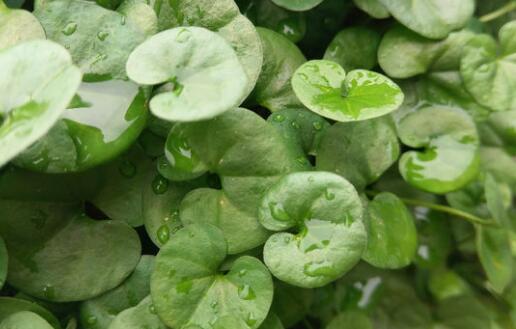
Lysimachia plant "Jinqiancao" (moneywort) market price per jin and hydroponic method and days to sprout
Jinqiancao, also known as Jingmiancao (mirror grass), symbolizes wealth, and because its leaves are round and petite it is kept as a small potted plant for viewing; at present many people like to plant it on their own balconies to enhance the indoor ornamental effect
-
Detailed introduction to the Qiangfeng No. 2 soybean variety
"Qiangfeng No. 2" is a new soybean line selected by the Crop Improved Variety Research Institute of Shan County, Shandong Province, from a mutant plant of "Xingnong No. 2". In addition to all the characteristics of "Xingnong No. 2" such as high yield, lodging resistance and good quality, this line has even greater disaster resistance and lodging resistance. Characteristics and traits. Sub-determinate pod-bearing habit, plant height 120--130 cm, 3--4 branches ("Xingnong No. 2" does not branch), about 120 pods per plant, with a maximum of 260 pods, podding on the main stem and branches equally important, pods with 3 seeds accounting for more than 95%
-
Introduction to the High-Yield Characteristics of the New Soybean Line Qiangfeng No. 2
"Qiangfeng No. 2" is a new soybean line bred by the Shanxian County Crop Improved Variety Research Institute of Shandong Province from a variant plant of "Xingnong No. 2". In addition to all the characteristics of "Xingnong No. 2" such as high yield, lodging resistance and good quality, this line has even greater disaster resistance and lodging resistance. Characteristics and traits. Sub-determinate podding habit, plant height 120-130 cm, 3-4 branches ("Xingnong No. 2" has no branches), about 120 pods per plant, maximum 260 pods, podding on the main stem and branches equally important, 3-seed pods account for
-
Introduction to the Characteristics of the Qianmei 701 Tea Tree Variety
Breeding institution: Guizhou Tea Research Institute. Approval status: approved by the National Crop Variety Approval Committee in 1995. Variety registration number: GS13014-1994. Variety origin: in 1955, Guizhou Meitan Wanhua large-leaf tea was used as the female parent and Yunnan Fengqing large-leaf tea as the male parent; after artificial pollination and hybridization, it was systematically selected from the F1 generation. Characteristics: small tree type, large-leaf category, branching relatively spreading, leaves horizontally attached, leaf length 14.64 cm, leaf width 6.22 cm, veins 9-11 pairs
-
Introduction to the Tea Variety Qianmei 809
Variety Approval Number: Guoshen Tea 2002007 Crop Type: Tea Plant Variety Name: Qianmei 809 Breeding Institution: Guizhou Provincial Tea Science Research Institute Variety Source: Fuding Dabaicha × Qianmei 412 Provincial Approval Status: Approved in 1999 by the Guizhou Provincial Crop Variety Approval Committee Characteristics and Traits: Belongs to the small tree type, large-leaf class, medium-maturing variety. Has a distinct main trunk, branches semi-spreading, leaves slightly upward-slanting in arrangement. Average leaf length is 14.2 cm, width is 6.7 cm, veins
-
Introduction to the Characteristics of the Tea Cultivar Qianmei 701
Breeding institution: Guizhou Tea Research Institute. Approval status: approved by the National Crop Variety Approval Committee in 1995. Variety registration number: GS13014-l994. Variety origin: in 1955, Guizhou Meitan Wanhua large-leaf tea was used as the female parent and Yunnan Fengqing large-leaf tea as the male parent; after artificial pollination and hybridization, it was systematically selected from the F1 generation. Characteristics: small tree type, large-leaf class, branches relatively spreading, leaves horizontally attached, leaf length 14.64 cm, leaf width 6.22 cm, veins 9-11
-
Introduction to the Tea Plant Cultivar Qianmei 809
Crop type: Tea plant Cultivar name: Qianmei 809 Breeding institution: Guizhou Provincial Tea Research Institute Variety source: Fuding Dabaicha x Qianmei 412 Provincial approval status: Approved in 1999 by the Guizhou Provincial Crop Variety Approval Committee Characteristics: Belongs to the small tree type, large-leaf class, medium-season cultivar. Has a distinct main trunk, branches semi-spreading, leaves slightly upward-slanting in arrangement. Average leaf length is 14.2 cm, width 6.7 cm, leaf veins 9-11 pairs, leaf surface raised, leaf tip acuminate
-
Detailed Introduction to the Qianlei 502 Tea Variety
Belongs to a clonal propagation line. It is a national-level improved variety. It was bred by the Guizhou Meitan Tea Research Institute. Morphological characteristics: small tree type, large-leaf, medium-bud variety. The plant is relatively tall and large, with an open tree posture. Spring buds sprout in mid-March, and the weight of 100 buds of one bud and three leaves is 84 grams. The buds and leaves have abundant pubescence and strong tenderness retention, making it suitable for creating famous teas in the green tea regions of Guizhou. Its characteristics: prominent bud down, rich taste, and fresh aroma. Quality characteristics of fresh leaves of one bud and two leaves of spring tea: tea polyphenols 37.7%, amino acids 1.1%, caffeine 3.0%, total catechins 230.54 mg
-
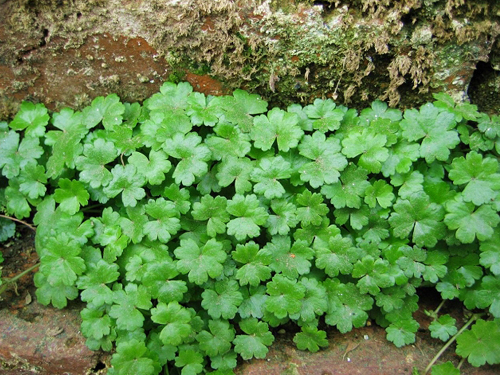
How to grow Hydrocotyle sibthorpioides? Introduction and care methods for Baby's Tears, Po Tong Qian
Hydrocotyle sibthorpioides (Baby's Tears, Po Tong Qian, Taiwan Hydrocotyle) Scientific name: hydrocotylesibthorpioides Family: Apiaceae Morphological features: Perennial herb. Plant height 5-10 cm, stems slender, creeping growth. Leaves alternate, kidney-shaped, usually 5-lobed, hence the name Po Tong Qian
条件筛选