-

Analysis of Cotton Production Misconceptions and Ways to Increase Yield Through Plant Protection (Part 5)
For more than a decade, with the widespread promotion of genetically modified insect-resistant cotton, cotton bollworm is no longer enough to make cotton farmers turn pale at the mention of pests. However, Fusarium wilt and Verticillium wilt have always been the "tightening band" giving cotton farmers headaches, aphids and red spider mites "stir up trouble" every year, cotton stink bugs and tobacco whiteflies have become increasingly rampant in recent years, and together with cotton bollworm suddenly breaking out in certain years, pesticide control of cotton is still an unavoidable matter. At the same time, there are also the following two serious problems in pest and disease control, which directly lead to
-
Correct methods for using cotton seedling protection agent
I. Methods for using cotton seedling protection agent The cotton seedling protection agent consists of three bags: large, medium and small. The specific seed soaking steps are: 1. Soak 5 kg of cotton seeds in clear water mixed with three parts hot (about 70°C) and one part cold for 5 minutes, remove the cotton seeds and squeeze out excess water. 2. Dissolve the small bag of reagent in 0.5 kg of clear water, pour it into the cotton seeds soaked in the three-hot-one-cold clear water, stirring while pouring, and after thorough stirring leave for 24 hours (stirring 2~3 times during this period). 3. Dissolve the medium bag of reagent in 1.54 kg of clear water, pour it into the cotton seeds soaked with the small bag of reagent
-
Technical measures for snow and freeze protection of mulberry trees, tea trees and fruit trees
I. Fruit: (1) Citrus: Before freezing, spray an anti-transpirant insulation agent on the tree canopy, and light smoke in the orchard to improve the freeze protection effect. For citrus affected by freezing injury, promptly remove curled, frost-killed leaves and withered shoot tips, bandage branches damaged by snow pressure, prune and shape branches broken by pressure, treat wounds with a wound protectant, promptly spray foliar fertilizer, and strengthen fertilizer and water management. For lightly frozen trees, apply 0.5% urea as a foliar topdressing 2-3 times; for severely frozen trees, it is advisable to apply light fertilizer multiple times in split applications. (2) Loquat: Insulate the tree disk by hilling soil or covering it with rice straw;
-
After spring tea is picked, the tea plant branches and stems need even more protection
Whether or not tea plants are managed after the spring tea harvest makes a big difference, because after the spring tea harvest the plant body has already consumed a large amount of nutrients. If management cannot keep up at this time, it will not only affect the yield and quality of summer and autumn tea, but also affect the yield and quality of next year's spring tea. Based on our farm's practical experience, the following key points should be carried out after the spring tea harvest: 1. Reasonable topdressing. According to measurements, producing every 50 kg of dry tea requires absorbing about 2.5-3 kg of nitrogen, 0.9-1.2 kg of phosphorus, and 1.1-1.5 kg of potassium from the soil. Between the tea plants, 30 cm
-
Key points of seedling protection techniques for newly planted early-sprouting tea: improving the survival rate of tea seedlings
In recent years, Chun'an County has accelerated the pace of developing clonal early-sprouting tea. By early 2007, Chun'an County had planted 53,000 mu of clonal early-sprouting tea (1 mu = 667 sq m, the same below), of which 38,000 mu were in production, and another 15,000 mu still needed strengthened drought resistance and seedling protection, with management aimed at improving the survival rate. Especially for tea gardens planted last winter and this spring, the following seedling protection measures must be effectively adopted. 1. Mulch with grass at the right time. Mulching with grass can preserve water and lower temperature, and loosen the soil; it is a key drought-resistance technique. Cutting grass
-
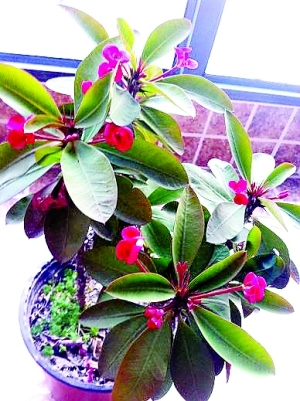
How to Keep Potted Flowers Warm in Winter? Master These Frost Protection Tips
1. How to Manage Potted Flowers in Winter? Potted flowers in the north need to be moved indoors one after another in early winter. After bringing them indoors, the placement should take into account the characteristics of each type of flower. Therefore, pay attention to the following aspects: (1) Flowers that bloom in winter and spring and flowers that love light and warmth: such as Christmas cactus, cyclamen, camellia
-
How to overwinter figs: reduce watering, provide appropriate light, and pay attention to frost protection
The fig is a highly ornamental plant, and people grow it in many regions of our country. However, like many plants, winter is also the most difficult season for figs. So how can figs overwinter more safely? There is a detailed introduction below. Now the editor will walk you through it.
-
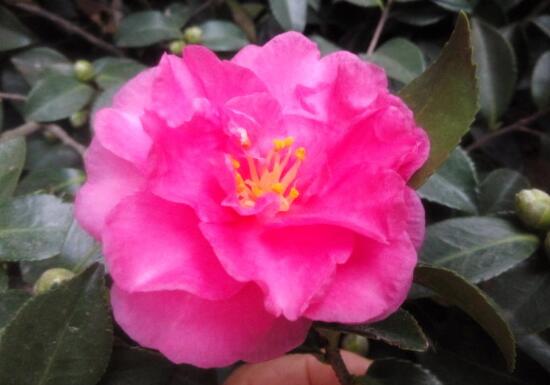
What to Do When Camellia sasanqua Loses All Its Leaves? Frequent Watering, Frost Protection, and Pest and Disease Control Are Key
Camellia sasanqua, which many people should recognize, combines the merits of camellia and beauty, making it a very beautiful flower. However, because many people do not follow the proper cultivation methods for Camellia sasanqua, various problems arise, such as yellowing leaves and leaf drop. So what should you do when Camellia sasanqua loses all its leaves?
-
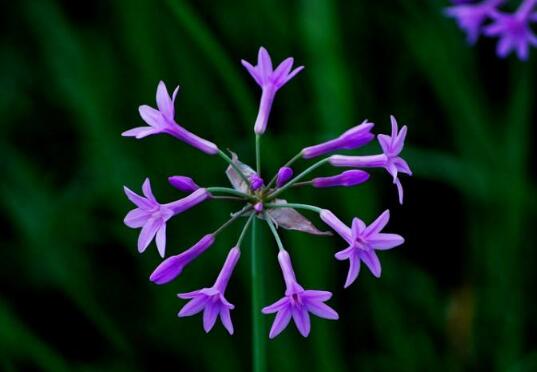
How does society garlic overwinter? Control water and fertilizer, provide appropriate supplemental light, and do a good job of freeze protection
Winter is a rather difficult period for the vast majority of plants, and society garlic is no exception. This plant prefers to grow in a warm environment, and if the temperature is too low, it will have a great impact on its growth. So how does society garlic overwinter? Below, the editor will take you to learn about it
-
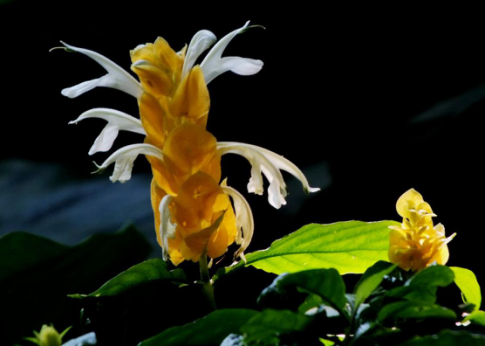
Propagation Methods and Disease Protection Tips for the Golden Shrimp Plant
Propagation is usually done by cuttings, which can be carried out year-round, with summer being the best time. When taking cuttings, cut off an 8cm branch, leave two or three buds, and bury it in prepared potting soil. Keep the temperature above 15°C, and it will sprout in 2 months and bloom the same year. For the disease leaf spot, spray with zineb wettable powder.
条件筛选