-
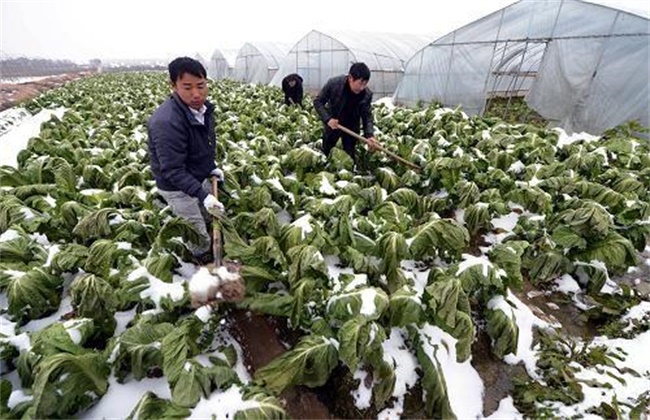
Detailed Explanation of Key Technical Points for Low-Temperature Freeze Protection of Vegetables
Low-Temperature Freeze Protection Techniques for Vegetables
-

Potato Frost Protection and Post-Disaster Mitigation Measures After Snow and Ice Damage
(1) Functions and Uses 1. The effects of low temperatures on seed potatoes during storage and on seed potatoes and young sprouts (seedlings) after sowing. 2. Reduce the severity of snow and ice damage; promote the recovery of potato growth. (2) Technical Measures 1. Preventive measures against frost damage (1) During the storage of seed potatoes, pay attention to keeping them warm. Before low temperatures arrive, take preventive measures: place a straw mat under the seed pile and cover the top of the seed pile with straw mats or other coverings to prevent frost damage. (2) Adjust the sowing period appropriately to prevent frost damage. For
-
Key "Three Protections" techniques at standard wheat growth stages
From sowing to harvest, wheat takes more than half a year, spanning the entire winter and spring, and entering the harvest season in early summer. In different seasons and at different stages of wheat growth, different natural disasters may be encountered. Therefore, disaster prevention and mitigation, and ensuring wheat quality, are crucial for increasing both yield and income. Experts recommend that farmers implement the "Three Protections" during the wheat growing period: First, protect against low-temperature freezing damage. In the early stage of wheat growth, it must go through low-temperature rain and snow weather in winter. Moderate low-temperature rain and snow is very beneficial for killing pests, loosening the soil
-
Key "three protections" for standard wheat growth stages
From sowing to harvest, wheat takes more than half a year, spanning the entire winter and spring, and entering the harvest season in early summer. In different seasons and at different stages of wheat growth, different natural disasters may be encountered. Therefore, disaster prevention and reduction to ensure wheat quality are crucial for increasing yield and income. Experts suggest that farmers should achieve the "three protections" during wheat growth: first, protection against low-temperature freeze damage. In the early stage of wheat growth, it must go through low-temperature rain and snow weather in winter. Moderate low temperature and rain and snow are very beneficial for killing pests, loosening the soil, increasing natural nutrients, and enhancing wheat cold resistance.
-
What are the three protections to carry out during the standard wheat growth stages?
From sowing to harvest, wheat takes more than half a year, spanning the entire winter and spring, and entering the harvest season in early summer. In different seasons and at different stages of wheat growth, different natural disasters may be encountered. Therefore, disaster prevention and mitigation, and ensuring wheat quality, are crucial for increasing yield and income. Experts suggest that farmers should carry out the "three protections" during the wheat growing period: First, protection against low-temperature freezing damage. The early stage of wheat growth goes through low-temperature rain and snow weather in winter. Moderate low-temperature rain and snow is very beneficial for killing pests, loosening the soil, increasing natural nutrients, and
-

Complete Guide to Crop Overwintering Methods: Frost Protection and Insulation Tips Explained in One Go
Complete Guide to Crop Overwintering Methods
-
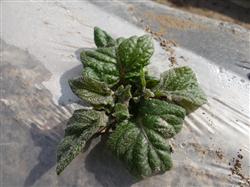
How to take frost protection measures after spring potatoes emerge
At present, temperatures are low and frost is frequent, and spring potatoes that have already emerged inside the plastic film are prone to frost damage when the film is broken to release the seedlings, so it is advisable not to break the film to release the seedlings for now, and to wait until after the Spring Festival when temperatures rise slightly, then break the film to release the seedlings at the appropriate time. If low-temperature frost weather occurs after the seedlings are released, straw can be spread over the beds to prevent the seedlings from freezing. Here...
-
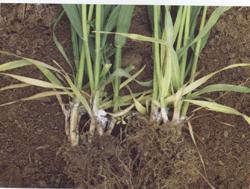
Four protection measures for wheat spring field management
I. Occurrence and harm of wheat sharp eyespot. Wheat sharp eyespot is a fungal disease mainly transmitted through soil. With the improvement of yield levels, the promotion of high-yielding varieties, and wheat field management with heavy water and heavy fertilizer, its harm has become increasingly serious. The pathogen of wheat sharp eyespot has a wide host range; besides infecting wheat, it can also...
-
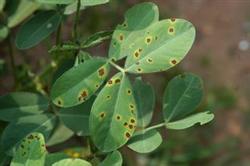
Implement three protection measures in the late growth stage of peanuts to promote increased yield
What is the difference between peanut black spot and peanut brown spot? Peanut black spot and peanut brown spot are the most common leaf diseases of peanuts. Their common feature is the formation of spots on the leaf surface, so they are collectively called leaf spot disease. The main differences are: brown spot occurs earlier, appearing at the early flowering stage, and in the later stage the lesions on the leaves are relatively large, round or irregular...
条件筛选