-
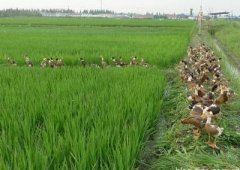
Using natural pest enemies, an agricultural natural factor, to protect the ecological environment
Humans need food, and society needs agriculture, so what should we do to develop agriculture better, and is agriculture bound to cause some damage to the ecology? In order to use fewer pesticides and protect the ecology, the "Sharing Nature" special exhibition soon to be held at the Smart Agriculture Pavilion in the Waipu Park of the Taichung World Flora Exposition
-

How should a tempered glass screen protector be applied in a deep V-shaped area?
Three-lobed, short-foot, round-head, tightly edged; green-shell type plum petal; thick petals; divided-socket silkworm-moth dear-heart; large ruyi tongue; one-character shoulder. It has been listed as one of the New Eight Varieties of Cymbidium faberi. The flower scape is slender and round, a light green "lamp-rush stalk," rising above the leaves. The outer three lobes are short-footed and round-headed, tightly edged, with thick petal flesh; the two lateral sepals are in an arching embrace, and the tongue surface has brilliant red spots.
-
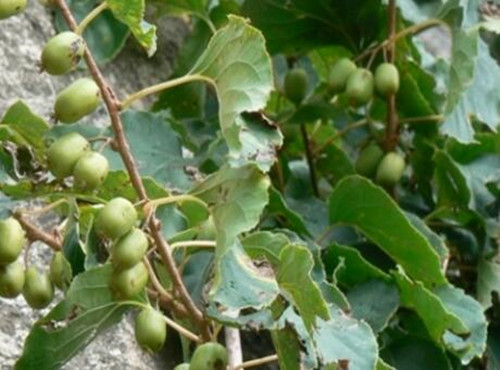
Appearance, Planting Methods, and Benefits and Effects of the National First-Class Key Protected Wild Plant Vitis balansana
Vitis balansana, an endangered species. Also known as bitter jujube, a woody vine. It is only scattered within a small area of Jinghong in greater Xishuangbanna, growing at the edge of seasonal rainforest in low mountain valleys at an altitude of 620 m. China has only this one genus and one species. So, what does Vitis balansana look like? How is it planted? What benefits and effects does it have? What does Vitis balansana look like
-
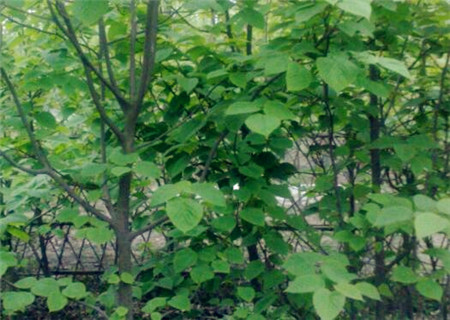
At what time does the national first-class protected plant "dove tree" (Davidia involucrata) bloom? Where are its main places of origin? What are its cultivation prospects? (
Davidia involucrata has been listed as a national first-class key protected wild plant. It is a monotypic genus endemic to China, a relict plant, and also a world-famous ornamental plant. So at what time does the dove tree bloom? Where are its main places of origin? What are its cultivation prospects? The blooming time of dove tree flowers. Dove tree flowers usually bloom in April.
-
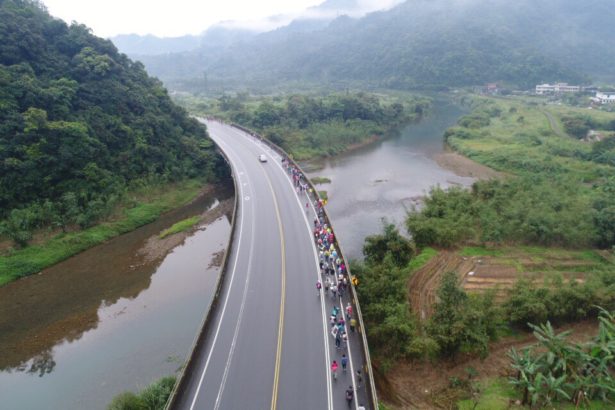
A country that lets rivers run free: 317 International Day of Action for Rivers in Shuangxi, "Walk for the Rivers, Protect Dinglan Valley" draws a thousand responders
A country that lets rivers run free: 317 International Day of Action for Rivers in Shuangxi, "Walk for the Rivers, Protect Dinglan Valley" draws a thousand responders
-
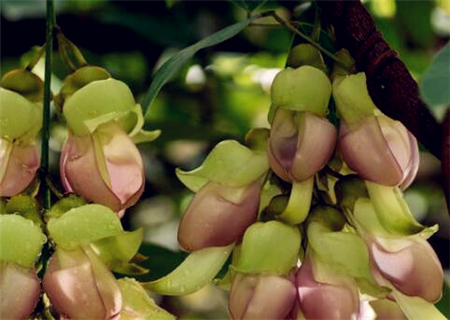
How many years does the nationally second-class protected plant Mucuna birdwoodiana take to bloom after planting, and when does it bloom?
Mucuna birdwoodiana, also known as white flower oil hemp vine, flower oil hemp vine, and sparrow flower. It is a nationally second-class protected plant and is cultivated throughout southern China. When in bloom, the flowers hang in clusters like sparrows in flight, giving it considerable ornamental value. So how many years after planting does Mucuna birdwoodiana bloom? When does it bloom?
-

What plants can protect against computer radiation?
What plants can protect against computer radiation?
-

Which plants are best at protecting against computer radiation?
Which plant is best at protecting against computer radiation?
-

5 Plants That Protect Against Computer Radiation: A Must-Have for Office Workers
5 Plants That Protect Against Computer Radiation: A Must-Have for Office Workers
-
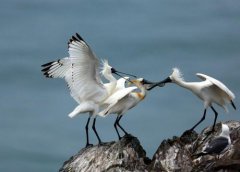
How many levels of protection does the black-faced spoonbill have? An analysis of its habitat in Zhuanghe and its migration route
Do you know the black-faced spoonbill? Its numbers are extremely small. How many levels of protection does the black-faced spoonbill have? It is a Class II protected wild animal. So we must take good care of it. Xingrentuo on Shicheng Island and Yuanbaotuo in Wangjia Town of Zhuanghe City are the black-faced spoonbill's only breeding site in China
条件筛选