Which plants are best at protecting against computer radiation?
Nowadays, computers have become an indispensable friend to people, but they can also be called an enemy, because the radiation they bring is harmful to health, and sitting for long periods is bad for the figure and for health. The strong antioxidant and anti-radiation abilities of anthocyanins have long been recognized by the field of nutrition. Let us take a look together below.
Cactus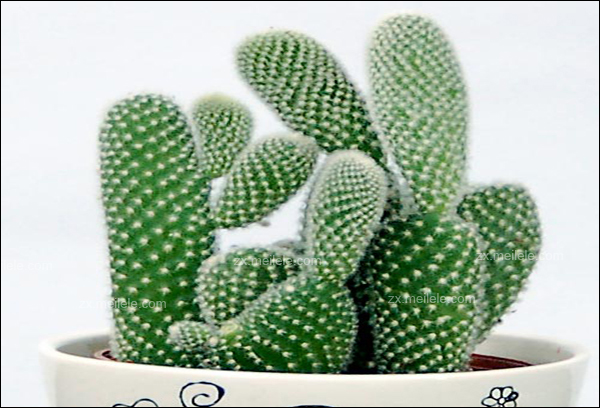
Cacti grow in the tropics and have a strong ability to absorb intense light. Intense light includes what we call visible light and invisible light, and the electromagnetic radiation from computers and mobile phones is also invisible light. It is easily absorbed. In addition, its spines release negative ions, which neutralize the harmful effects of positive ions. In reality, the spines of a cactus placed near a computer monitor can only catch dust. However, it really does like this radiation, and it grows very well near a radiation source, especially when there is sunlight shining on it. So a small potted cactus can also absorb it, it is just a matter of quantity, and you can place several pots.
Spider plant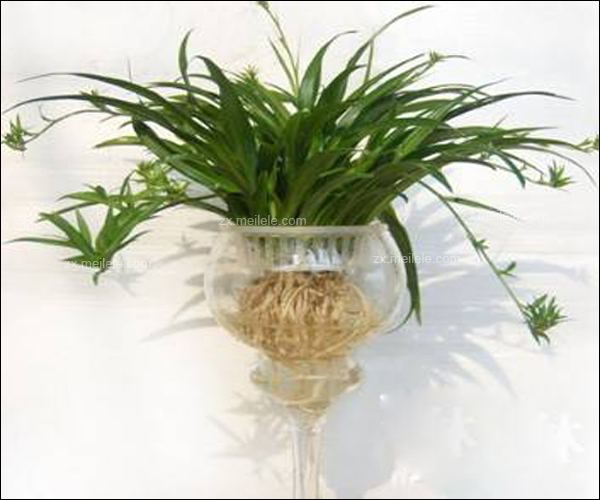
Spider plant, a radiation-proof plant, an air-purifying ornamental plant. Besides their greening and ornamental functions, many ornamental plants also have the health benefit of absorbing toxic gases and purifying the air. Among them, the spider plant is an expert at purifying air, and can absorb nitrogen oxides, methane, formaldehyde, benzene compounds, carbon monoxide, carbon dioxide, sulfur dioxide, chlorine peroxide and many other harmful gases. In addition, it can both purify the air and protect against radiation.
Aloe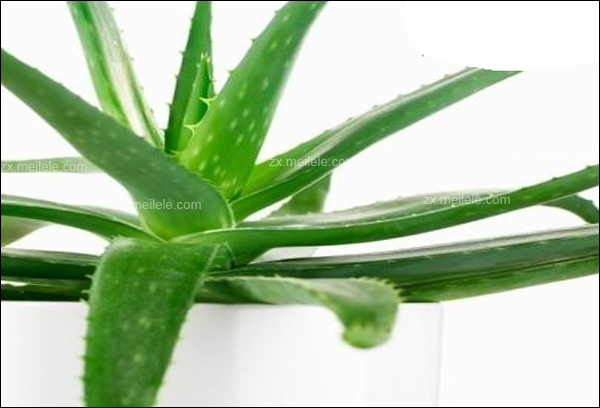
Growing aloe indoors can purify the air. One pot of aloe equals nine air purifiers. It can absorb formaldehyde, carbon dioxide, carbon monoxide, sulfur dioxide and other harmful substances, and its absorption of formaldehyde is especially strong. When the harmful air indoors is too high, spots will appear on the aloe leaves. This is a distress signal. As long as you add a few more pots of aloe indoors, the indoor air quality will tend to return to normal.
Dracaena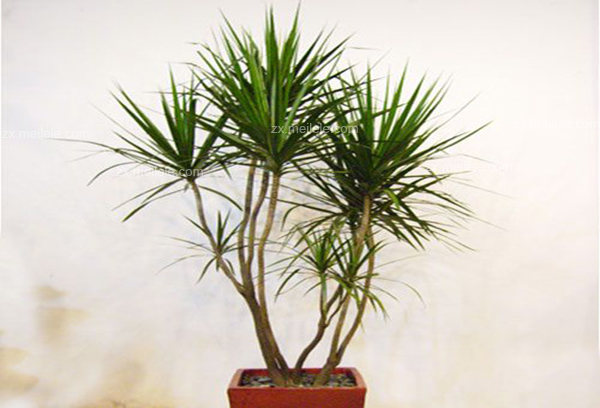
Dracaena, with its charming appearance and its ability to adapt to the dim, dry environment of offices, is favored by interior designers. As long as you give it a little care, it can grow for a long time and bring high-quality air. When it comes to suppressing harmful substances, it is hard for other plants to compare with dracaena. Its leaves and roots can absorb xylene, toluene, trichloroethylene, benzene and formaldehyde, and break them down into non-toxic substances.
In addition, plants that can both purify the air and protect against radiation also include:
Nephrolepis cordifolia, Cyrtomium fortunei, Chinese rose, rose, crape myrtle, lilac, magnolia, osmanthus, golden pothos, aloe, Asiatic dayflower, Polystichum, cactus, snake plant, Sansevieria, agave, bromeliad, golden barrel cactus, Epiphyllum, night-blooming cereus, jade plant, Sedum pachyphyllum, Sedum spectabile, English ivy, sago palm, chrysanthemum, flamingo flower, pomegranate flower, Aglaia odorata, dragon's blood tree, Angelica dahurica flower, etc.
Other related links >>
| How to care for the happiness tree | Peace lily | The effects of pothos flowers | How to grow gardenia | Pictures of potted flowers | Orange jasmine bonsai |
| How to grow Christmas cactus | Plectranthus amboinicus | Growing azaleas | The flower language of lily of the valley | The effects of lavender | Plum blossom poems |