-
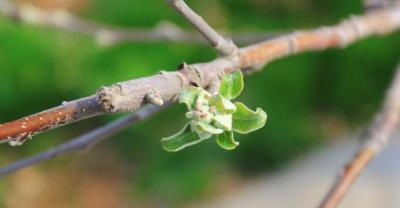
Common pesticides need to be studied and remembered well to avoid improper use affecting the harvest.
Fungicides [Lime sulfur mixture]Peach, plum, Japanese apricot, pear, grape, legumes, potato, tomato, onion, ginger, melon, cucumber, etc. [Bordeaux mixture]Potato, to...
-
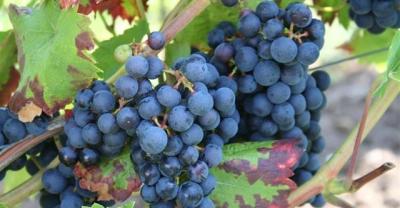
Improper pesticide mixing can easily render the pesticide completely ineffective; nine methods to effectively avoid pesticide damage
Reasonable mixing of pesticides can improve control efficacy, delay pest and disease resistance, improve control efficacy, reduce the amount of pesticide used, and control different pests and diseases...
-

A Detailed Guide to Identifying Genuine and Fake Pesticides and Using Them Properly
The pesticides we commonly see can be roughly divided, according to their effects, into insecticides, fungicides, herbicides, regulators, virus disease mitigators, safeners, ...
-

-
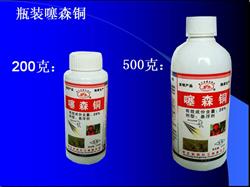
How should copper-based fungicides be used properly? Key points of application explained
How should copper-based fungicides be used properly? Please explain the application method. Copper-based fungicides, as one of the important fungicides, have the characteristics of being the earliest developed and applied, the longest used, the largest application area, the best sterilization effect, and the most uses. Copper-based fungicides can prevent and control both fungal diseases and...
-
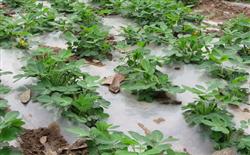
Proper use of chlormequat in peanut cultivation
How is chlormequat used in peanut cultivation? Please give an introduction. Chlormequat is a broad-spectrum plant growth retardant, and its main physiological functions are: 1) inhibiting excessive vegetative growth and cultivating strong seedlings; 2) delaying the senescence of stems and leaves and postponing maturity; 3) inducing flower bud differentiation; 4) controlling apical dominance, reshaping the plant architecture, making the plant compact...
条件筛选