Common pesticides need to be studied and remembered well to avoid improper use affecting the harvest.
Fungicides
[Lime sulfur mixture]Peach, plum, Japanese apricot, pear, grape, legumes, potato, tomato, onion, ginger, melon, cucumber, etc.
[Bordeaux mixture]Potato, tomato, chili pepper, cucurbits, peach, plum, pear, apple, persimmon, Chinese cabbage, soybean, wheat, lettuce, etc.
[Mancozeb]Tobacco, Cucurbitaceae, certain pears. Applying mancozeb when pear fruits are small easily causes black spots on the fruit surface. High concentrations cause marginal blight spots on rice leaves.
[Thiophanate]When controlling pests and diseases of kiwifruit, the use of thiophanate should be avoided. It can be mixed with a variety of pesticides, including alkaline agents, but should not be mixed with copper preparations.
[Carbendazim]It can be mixed with common fungicides, but should be used immediately after mixing. It cannot be mixed with copper preparations.
[Chlorothalonil]It easily causes phytotoxicity to pear and persimmon, so it should not be used. It also cannot be used within 20 days after apple petals fall. High concentrations easily cause phytotoxicity to pear trees, persimmon, peach and Japanese apricot.
[Poly sulfur suspension concentrate]Applying high concentrations of poly sulfur suspension concentrate, etc. during low-temperature periods causes citrus sunscald.
[Sulfur】Cucumber, soybean, potato, plum, pear.
[Flusilazole]Some pear varieties are very sensitive during the young fruit stage (before May), so it is contraindicated.
[Cuprous oxide]Fruit tree stage and young fruit stage.
[Diniconazole】Watermelon, soybean, chili pepper (phytotoxicity at high concentrations).
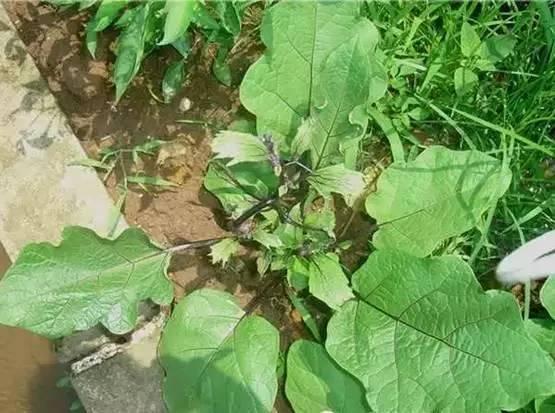
Insecticides and acaricides
[Acephate]It should not be used on mulberry or tea trees.
[Triazophos]Sugarcane. (Note: many places have explicitly banned its use on vegetables.)
[Chlorpyrifos]Tobacco. (Note: many places have explicitly banned its use on vegetables.)
[Cartap (Padan)]Rice flowering stage, seedlings of Chinese cabbage, cabbage and other cruciferous vegetables.
[Dimehypo]Seedlings of Chinese cabbage, cabbage and other cruciferous vegetables, cotton foliar spray. Legumes and citrus fruit trees are sensitive to it, so only low concentrations can be used.
[Monosultap]Cotton, tobacco, yardlong bean, potato and certain legumes.
[Fenobucarb (Bassa)]Cucurbits, legumes, Solanaceae crops.
[Isoprocarb]Tuber crops.
[Carbaryl (Sevin)]Cucurbits.
[Chlorfluazuron]Chinese cabbage seedlings.
[Carbofuran]It can only be applied by burying in the root zone, and cannot be dissolved in water for spraying.
[Buprofezin]Chinese cabbage, radish.
[Imidacloprid]Legumes, cucurbits.
[Petroleum emulsion]It easily causes phytotoxicity to certain peach varieties, so it is best used during the leaf-fall season.
[Rosin mixture]Applying rosin mixture in summer causes obvious phytotoxicity to persimmon, and in spring and summer it has adverse effects on citrus.
[Rosin-alkali mixture]Deciduous fruit trees are all sensitive to it, so it should not be used during the summer growing season.
[Propargite]Contraindicated on pear trees.
[Azocyclotin]25% azocyclotin wettable powder causes phytotoxicity to young leaves during the spring shoot stage (low temperature), leading to severe flower drop, leaf drop and fruit drop, and during the young fruit stage (temperature below 20°C) it still causes leaf and fruit deformity. The best application concentration is 1500-2000 times dilution. Its phytotoxicity to navel orange requires further testing.
[Fentin triazole]20% fentin triazole emulsifiable concentrate at 500 and 2000 times dilution causes phytotoxicity to young leaves of citrus spring shoots.
[Dicofol]After application on citrus (chlorine-sensitive effect), it easily causes phytotoxicity; in mild cases the leaves turn grayish white, and in severe cases the old leaves all fall off (same as tetradifon). Certain varieties of hawthorn and apple easily develop phytotoxicity, so it should not be used.
[Dimethoate and omethoate]Kiwifruit and pepino are especially sensitive to dimethoate and omethoate, so they are contraindicated.
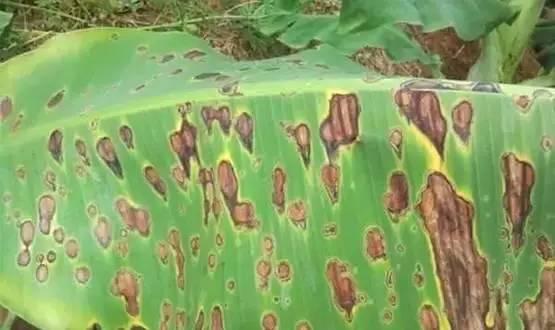
Herbicides
[Glyphosate and Gramoxone]These two non-selective herbicides can only be used for directed spray weeding between fruit tree rows, and cannot be used on the branches and leaves of fruit trees.
[MCPA-sodium]Broadleaf crops and all kinds of fruit trees are contraindicated.
[Atrazine]Peach trees are sensitive to it, so do not use it. Atrazine has a long residual effect and is harmful to subsequent sensitive crops such as wheat, soybean, rice and peach trees. This can be addressed by increasing the application rate or mixing with other herbicides. It cannot be used in corn intercropped with legumes.
[Butachlor]Application in the early stage of paddy field cultivation causes brown spots.
[Acetochlor]Cucurbitaceae (cucumber, watermelon, gourd), spinach, Chinese chives.
[Metolachlor (Dual)]Spinach, sorghum, rice, wheat.
[Fenoxaprop-p-ethyl (Puma)]Barley, oat, corn, sorghum.
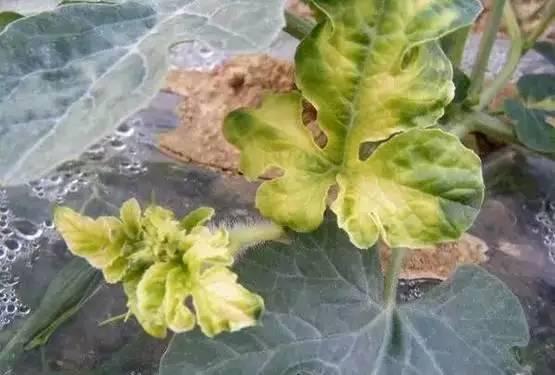
Growth regulators
[Gibberellin (920)]When used during the flower and fruit preservation stage of citrus, if the concentration is not well controlled, it will make the fruit smaller, the peel thicker, the taste sour, and cause deformed fruit, etc., reducing yield and quality.
How to alleviate phytotoxicity in plants
Spray clean water on the leaves to wash them. If the leaves suffer phytotoxicity, clean water can be sprayed several times continuously on the affected areas to remove or increase the washing away of pesticide residues on the crop leaves.
Water sufficiently, inject water to expel toxins, and inject water to wash the soil, while allowing the plant roots to absorb a large amount of water, increasing cell water content, thereby lowering the relative content of the drug in the soil and in the crop body, which helps alleviate phytotoxicity.
Loosen the soil by cultivation to promote root growth. In conjunction with watering and applying Jiamei surplus, cultivating and loosening the soil can promote root development and enhance the crop's ability to recover.
Partial removal. For flowers, fruits or flower branches damaged by partial application or irrigation of the drug, the phytotoxic fruits and damaged branches can be removed. If the main stem (trunk) suffers phytotoxicity, it should also be combined with applying Jiamei gold point or washing with clean water for disinfection.