-
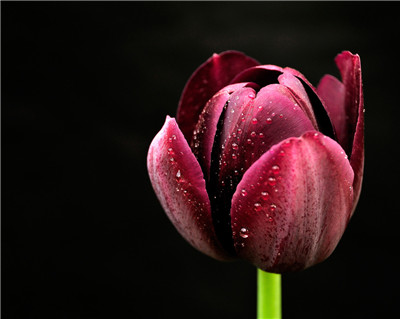
Some Practical Tips for Growing Tulips
Tulips have beautiful flower shapes and graceful plant forms, making them common ornamental plants. In recent years, they have become quite popular in the cut flower market, and the long, elegant flower stems of tulips make them excellent material for flower arranging. Tulips have broad market prospects, and the following points should be noted when cultivating them
-
How to Propagate Monstera deliciosa? Several Practical Methods
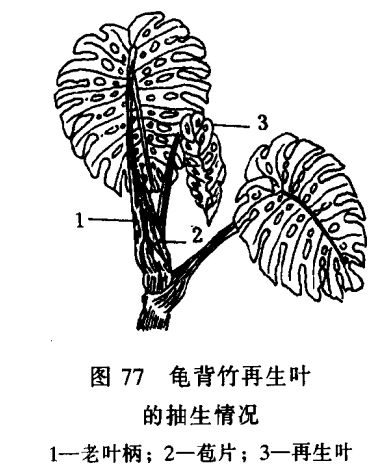
For Monstera deliciosa grown in pots in northern China, because a constant temperature cannot be maintained year-round, although perennial old plants do flower, they rarely set fruit, so stem cuttings are used to propagate new plants. Potted Monstera deliciosa usually has only a single stem, and as new leaves emerge the stem keeps extending forward, rarely producing side branches
-
What to do about small flying insects in the flower soil? A few practical methods to teach you
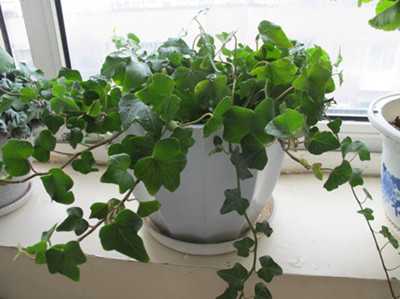
Summer is here, and some flower growers have noticed a lot of small flying insects around their flower pots, which is very annoying. They do not know what to do about small flying insects in the flower soil. Flower growers have summed up quite a few methods for eliminating small flying insects, and this article lists them one by one for flower growers' reference. Method one for eliminating small flying insects: soak orange peel in water and leave it in the sun for 3 days
-
How to grow pennywort? Practical cultivation tips shared
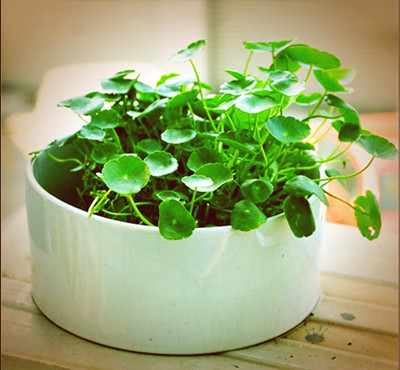
Pennywort, also called marsh pennywort, is a perennial emergent or hygrophytic herb. The plant height is 5-15 cm. The stem tip is brown. Submerged leaves have long petioles, are roundly peltate, 2-4 cm in diameter, with wavy margins, grass-green. Flowers are bisexual; umbellate inflorescences; small flowers are white-pink. Schizocarps. Flowering period is June to August. Its stem nodes are distinct, one node after another
-
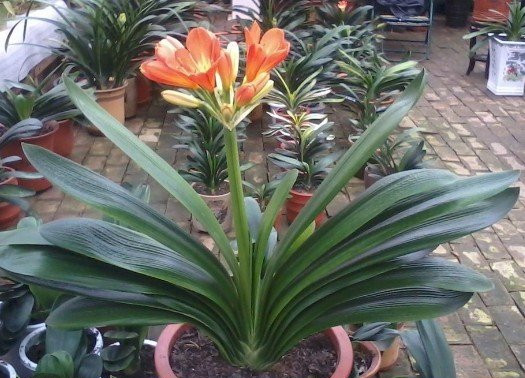
How to grow Clivia well in the south? Practical care tips
Clivia (Clivia miniata), a herbaceous plant grown both for its flowers and its foliage, is deeply loved by flower enthusiasts. Especially in Northeast China, almost any household that grows flowers has a pot of clivia. But clivia is not only cultivable in the north; the south is equally suitable for growing it.
-
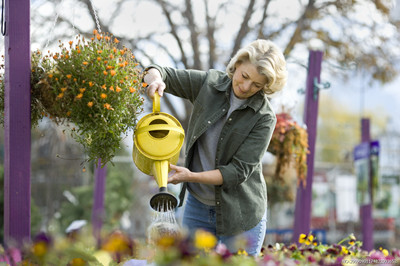
How to water houseplants? Sharing a few practical tips
1. Watering flowers with leftover tea: Using leftover tea to water flowers not only keeps the soil moist but also adds nutrients such as nitrogen to the plants. However, you should water regularly and in moderation according to the moisture level of the pot, rather than pouring leftover tea on whenever you have it. 2. Watering flowers with spoiled milk: After milk spoils, dilute it with water to water flowers, which benefits the growth of the plants
-
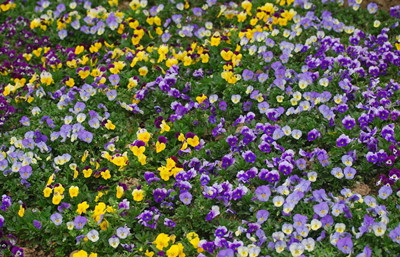
How to extend the flowering period of pansies? These methods are very practical
There are two main ways to extend the flowering period of pansies: 1. Use different sowing times: pansies generally bloom about 2 months after sowing, so sowing in spring means blooming from June to September, sowing in summer means blooming from September to October, sowing in autumn means blooming in December
-
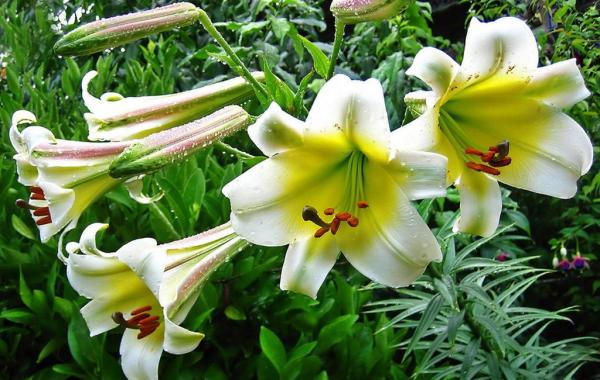
How to Manage Potted Flowers During the Rainy Season? A Full Guide to Practical Care Methods
1. Prevent waterlogging. For potted flowers placed in the open air, water easily accumulates in the pots after rain. If it is not drained promptly, the soil moisture becomes saturated, causing insufficient air and severe oxygen deficiency, which is extremely harmful to the root growth of the flowers. This is especially true for some varieties that are more afraid of waterlogging.
-

How to improve the survival rate of loquat seedlings? A detailed guide to practical methods
How to improve the survival rate of loquat seedlings
-

How to Manage Apricot Trees After Harvest? A Detailed Guide to Practical Methods
Management Methods for Apricot Trees After Harvest
条件筛选