-
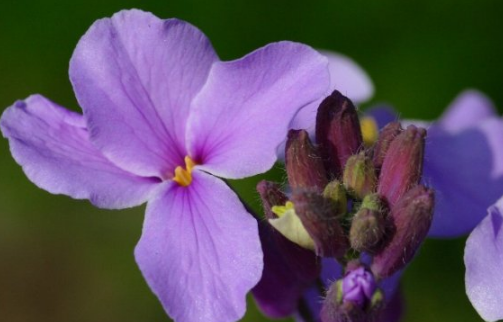
What are the propagation methods for blue wallflower? Explained clearly in one article
Propagation by sowing: Blue wallflower has a short growing period, and can be sown multiple times in spring and autumn, which can extend the ornamental period. For the Jiangsu-Zhejiang-Shanghai region, August-September is the most suitable sowing time. In addition, although blue wallflower can also reproduce by self-seeding
-

What are the propagation methods for Sandersonia? Explained clearly in one article
Generally, two methods are used: seed propagation and tuber propagation. Sandersonia has a delicate, charming appearance, with orange-yellow flower bells paired with bright green, glossy stems and leaves. It is very appealing and is an excellent cut flower material and bridal bouquet material, with very high ornamental value
-
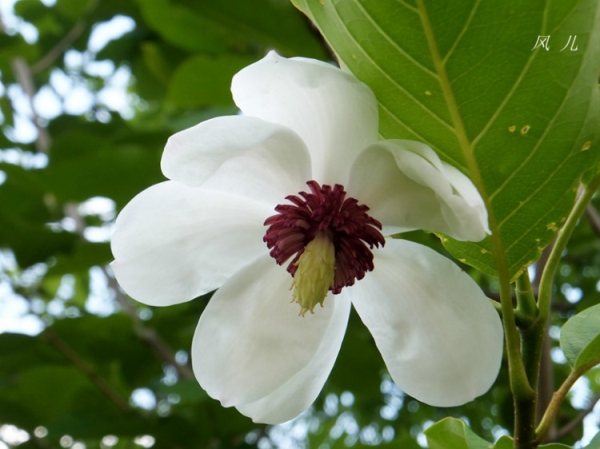
What are the cultivation methods for Magnolia sieboldii? Explained clearly in one article
Watering: Spring and autumn are its growing seasons, during which Magnolia sieboldii has a very high demand for water, so we should water it frequently to keep the soil moist. Light: Magnolia sieboldii is not tolerant of high temperatures, so in summer it is best to move it indoors to prevent the flowers from withering and the leaves from drying up due to direct sun exposure
-
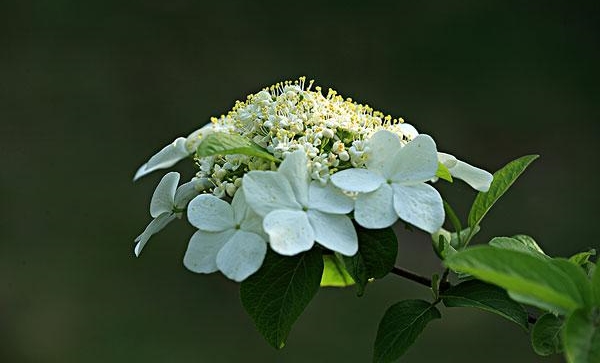
What are the propagation methods for Viburnum macrocephalum? One article explains it clearly
For grafting propagation, we generally choose to carry out grafting propagation around March to April each year, because the climate during this time is relatively suitable and can improve the survival rate of grafting. Then first select branches from a mother tree that can bloom, then cut off about 5cm as scions, and use the high grafting method for propagation
-

How to grow miniature roses? Understand the care methods in one article
Watering: Miniature roses have small plants and shallow roots. In summer, water once in the morning and once in the evening; do not water at night. Before budding in spring, keep the potting soil moist, and do not water unless the soil is dry. After budding, gradually increase the amount of watering. Repotting: Repotting is mostly done before spring budding, once every 1 to 2 years, removing about 2/3 of the old soil
-
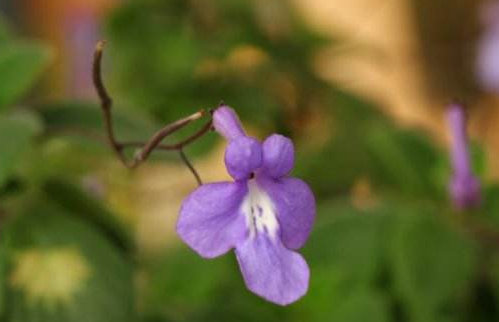
What are the care requirements for the dolphin flower? One article explains all the key care points
1. Pot selection: choose a hanging pot, which can be tied to a thick water pipe or hung in a corner of the balcony for care. This corner gets no sun in summer and two or three hours of direct sunlight in winter, which the dolphin flower loves. 2. Soil: the dolphin flower is not demanding about soil. I have tried garden soil, potting soil and that cheap peat soil
-
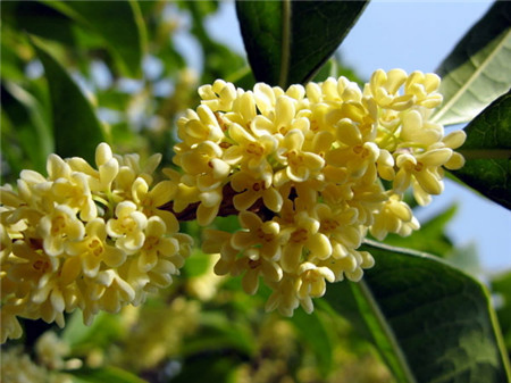
How to grow Osmanthus fragrans 'Semperflorens'? Growing methods and precautions explained in one article
1. Temperature: Osmanthus fragrans 'Semperflorens' likes a growing environment of 18°C to 25°C best, and blooms abundantly at this time; if it is below 15°C, flowering will decrease; it can overwinter at 3°C to 5°C, but will not bloom. So if you want it to bloom more, you need to pay attention to controlling the temperature
-
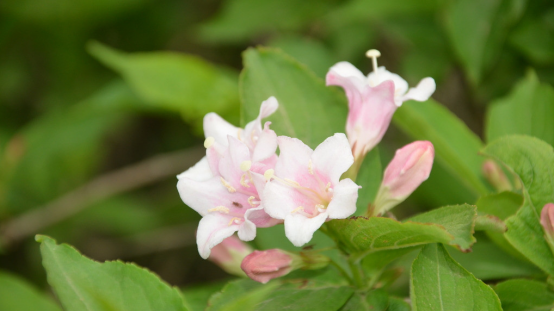
How to grow Weigela florida? Care methods explained in one article
1. Soil. Weigela florida likes fertile soil. When cultivating, choose a sandy soil with good drainage, loose and airy texture as the substrate, and it can also be mixed with nutrient-rich peat soil. After sowing, spread a layer of fine sand 1-2 cm thick, which can help the seeds germinate better. 2. Fertilizing
-
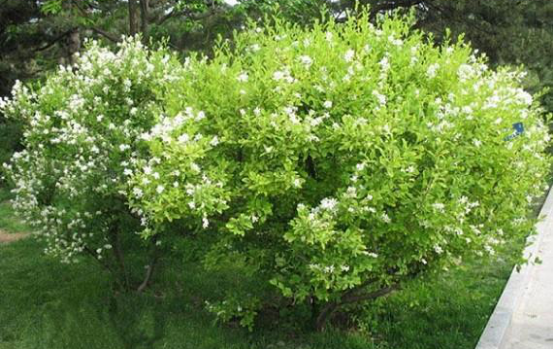
What are the care methods for the common pearlbush? Read this one article to understand
1. Pot and soil selection. The common pearlbush can be grown outdoors in the ground or kept in a pot for ornament. When growing it in a pot, choose a suitable flowerpot according to the size of the common pearlbush plant. Before filling the soil, first place a drainage layer made of some broken tiles at the bottom of the pot.
-
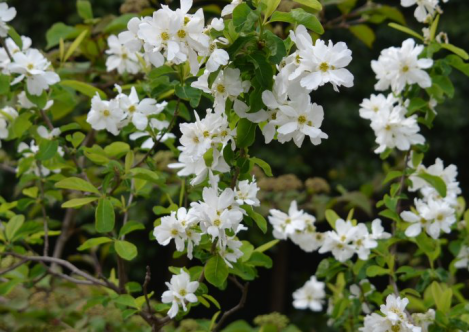
What are the propagation methods for Exochorda racemosa? Explained clearly in one article
1. Seed propagation. The seeds of Exochorda racemosa ripen in August and September in autumn. After harvesting, they are sun-dried, threshed and stored in a sealed container. In February to March of the following year, they are sown in drills with a row spacing of about 20 cm. After sowing, a 1 cm thick layer of mud ash is spread on top, then covered with grass to retain moisture. Seedlings generally emerge after one month
条件筛选