What are the propagation methods for blue wallflower? Explained clearly in one article
Propagation by sowing
Blue wallflower has a short growing period, and can be sown multiple times in spring and autumn, which can extend the ornamental period. For the Jiangsu-Zhejiang-Shanghai region, August-September is the most suitable sowing time. In addition, although blue wallflower can also reproduce by self-seeding, the overall result obtained this way is likely not very good, and it is usually not adopted, generally limited to self-seeding propagation in wild natural landscape areas.
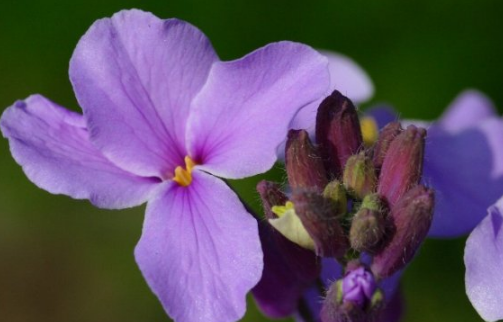
Propagation by tuberous roots
The base of the blue wallflower's root becomes woody and remains so for many years; the tuberous roots keep multiplying, new shoots can sprout from them, and it continues to bloom from the second season onward in subsequent seasons.
How to grow blue wallflower
Light
Blue wallflower loves sunlight very much. During cultivation, it can be given full-day light, or a slightly shady environment is also acceptable, but note that in summer, because the temperature is too high and the sunlight is too strong, the plant must not be placed under direct sunlight; give it appropriate shade to prevent the leaves from being scorched.
Water and fertilizer
Since blue wallflower is a dwarf plant with hairy branches and leaves, be careful when watering and fertilizing: never let water or fertilizer liquid splash onto the leaves; if any splashes on them, wipe it off promptly to prevent the plant from being scorched or rotting.
Soil
Blue wallflower has fairly strict soil requirements; it needs loose, breathable, and well-drained soil. This soil can be mixed yourself, or you can buy special nutrient soil for blue wallflower at a flower shop.
The above is an introduction to the question of how to grow blue wallflower. Next, let's look at what else needs attention when growing blue wallflower.
Propagation methods for blue wallflower
Sowing propagation of blue wallflower
Blue wallflower has a short growing period, and can be sown multiple times in spring and autumn, which can extend the ornamental period. For the Jiangsu-Zhejiang-Shanghai region, August-September is the most suitable sowing time. In addition, although blue wallflower can also reproduce by self-seeding, the overall result obtained this way is likely not very good, and it is usually not adopted, generally limited to self-seeding propagation in rough wild natural landscape areas.
Tuberous root propagation of blue wallflower
The base of the blue wallflower's root becomes woody and remains so for many years; the tuberous roots keep multiplying, new shoots can sprout from them, and it continues to bloom from the second season onward in subsequent seasons.