-

How to prevent onion bolting? These measures you need to master
Preventive measures for onion bolting
-
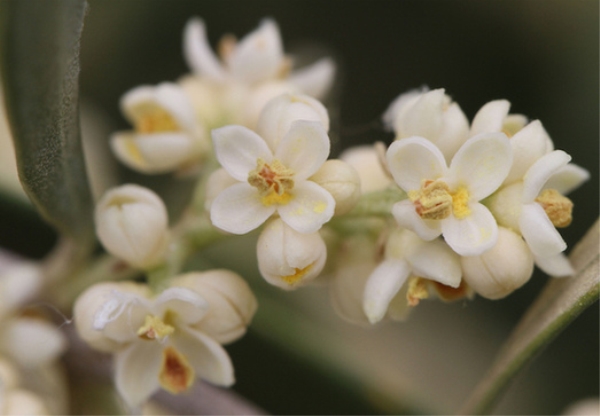
How to grow olive flowers? These methods you need to master
Soil: Olive flowers are suited to growing in fertile, well-drained sandy soil. They are drought-tolerant and highly adaptable to soil. They can grow in slightly alkaline sandy loam and lime-rich clay. Temperature: Olive flowers are relatively cold-hardy and can tolerate low temperatures of -12°C. In winter they can overwinter outdoors.
-
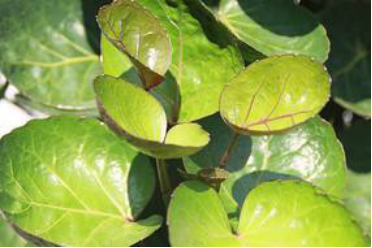
How to grow a Money Tree? These care tips you need to know
1. Ventilation issue. When growing a Money Tree indoors, if ventilation is poor, its leaves will easily wilt. Although it will not die immediately, the leaves will drop one by one, and if not remedied in time, the end result is only death. Therefore, when growing a Money Tree indoors, you need to pay attention to timely ventilation
-
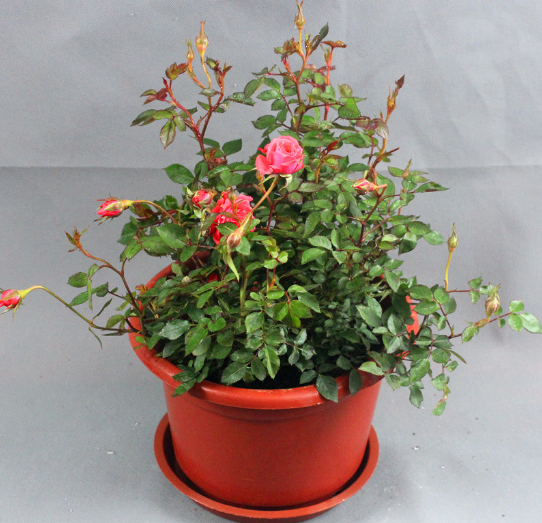
How to grow Chinese roses? These cultivation points need to be known
1. Cold protection. Chinese roses are very cold-hardy and can withstand low temperatures of -10°C. Generally speaking, in the south they can be placed directly under a south-facing eaves to overwinter, while in the north potted Chinese roses should be moved indoors to a ventilated spot when the temperature drops below 10°C. Note that after the flowers fade in October, do not prune
-
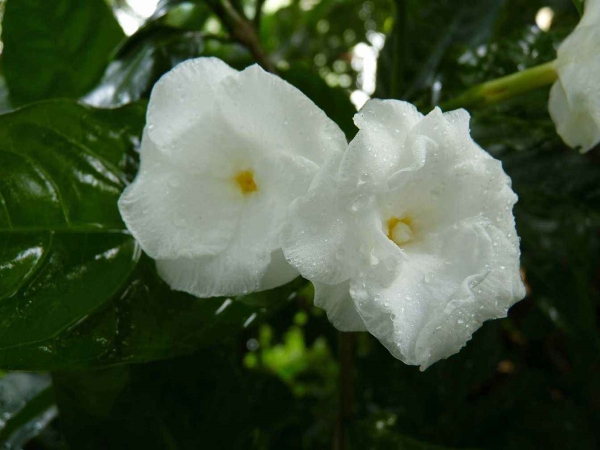
How to grow Tabernaemontana divaricata? These care methods you need to master
Temperature: Tabernaemontana divaricata likes to grow in a hot and humid environment, and it is not cold-tolerant. When the temperature is below 0°C, the plant will die from freezing. So in winter it is best to move it indoors for growing. Fertilizing: Tabernaemontana divaricata has a relatively large demand for nutrients, and we need to fertilize it in time before it blooms.
-
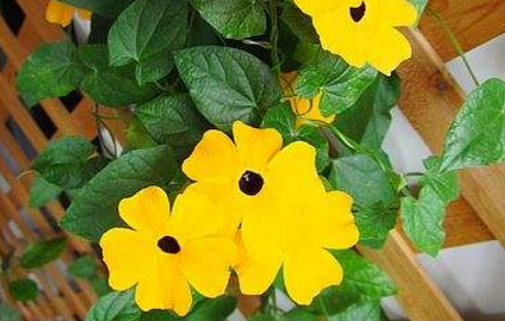
Why does Black-eyed Susan need especially careful care in winter?
The reason it is said that Black-eyed Susan needs careful care in winter is simply that Black-eyed Susan is not a very cold-tolerant plant, so care is needed in winter to prevent it from dying. From reference materials and the care experience of some gardeners,
-
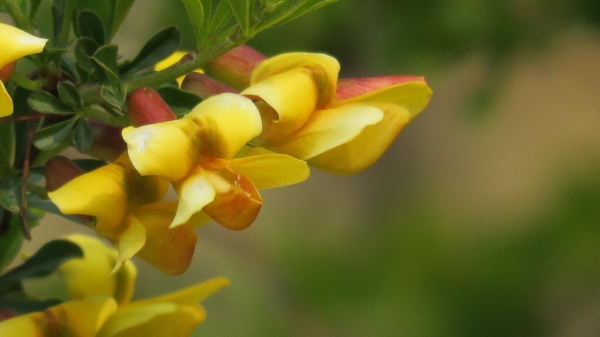
How to grow Caragana? These care points you need to master
Caragana loves light, so place it in a spot with plenty of sunshine. For the soil, it is best to choose a fertile sandy soil with good drainage. Have you learned the shaping methods for Caragana bonsai? For Caragana shaping, those with a single twisted trunk and an quaint, elegant posture are preferred, and it can also be trained into a form with branches and leaves drooping down in profusion; or with exposed roots and claws, showing its aged appearance, so as to achieve the effect of beautiful form and brilliant flowers.
-
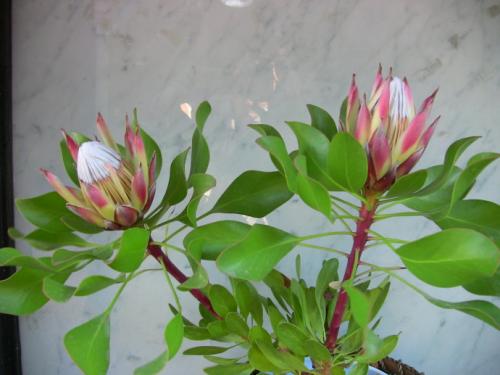
How to grow Protea? These care measures you need to master
Measure one - soil selection. The planting soil for Protea needs to be loose, well-draining sandy soil, which is beneficial to the growth of Protea. Measure two - light. Protea likes an environment with plenty of light, so make sure Protea gets sufficient light; it is generally placed on balconies and in ventilated, sunny spots.
-
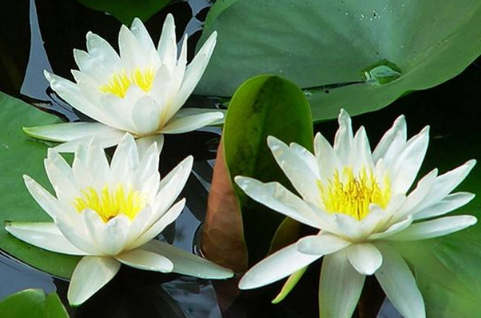
What are the precautions for growing bowl lotus? These key points you need to master
1. Light. During the care of bowl lotus, it cannot be kept indoors for a long time, otherwise it will grow slowly, so it should be placed outdoors to receive light often, and the plant will grow more vigorously. 2. Fertilizing. Bowl lotus likes fertilizer, and plants lacking fertilizer will lack vitality. Before planting, a small amount of decomposed cake fertilizer and other base fertilizer should be added. Although bowl lotus likes fertilizer
-
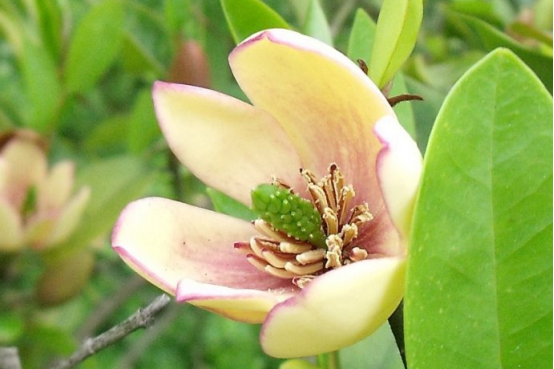
How to grow banana shrubs? These care tips you need to know
1. The banana shrub has thick, fleshy roots and does not tolerate transplanting well. When transplanting, it is best to keep plenty of soil around the root ball and to thin out the branches and leaves appropriately. If the soil ball breaks apart during transplanting, the branches and leaves must be heavily pruned back promptly, otherwise the plant is likely to die. 2. The banana shrub does not tolerate drought or poor, thin soil, and it fears waterlogging. It prefers a fertile, loose, well-drained, slightly acidic loam.
条件筛选