Why does Black-eyed Susan need especially careful care in winter?
The reason it is said that Black-eyed Susan needs careful care in winter is simply that Black-eyed Susan is not a very cold-tolerant plant, so care is needed in winter to prevent it from dying.
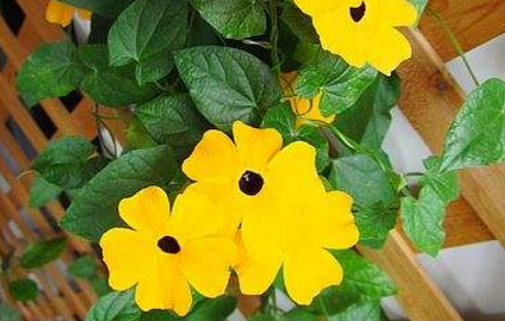
From reference materials and the care experience of some gardeners, the winter growing temperature for Black-eyed Susan needs to stay above 9°C for it to safely overwinter, and at the very least must not fall below 5°C. However, in winter, some measures can be taken to increase the chances of successful overwintering.
How does Black-eyed Susan overwinter?
Why does Black-eyed Susan need careful care in winter?
The reason it is said that Black-eyed Susan needs careful care in winter is simply that Black-eyed Susan is not a very cold-tolerant plant, so care is needed in winter to prevent it from dying.
From reference materials and the care experience of some gardeners, the winter growing temperature for Black-eyed Susan needs to stay above 9°C for it to safely overwinter, and at the very least must not fall below 5°C. However, in winter, some measures can be taken to increase the chances of successful overwintering.
Methods for overwintering Black-eyed Susan
First, you must ensure a suitable temperature, because Black-eyed Susan is not cold-tolerant, and in winter the temperature must be kept above 9°C. If your home has heating or other warming measures, you can place Black-eyed Susan in a heated spot to raise the temperature. But be careful to keep it a little farther from the heater to avoid scorching the plant.
Second, you need to cut Black-eyed Susan back short. Cutting it back mainly means trimming off part of the branches and leaves, which makes it easier for Black-eyed Susan to overwinter.
The last point is that in winter, Black-eyed Susan needs proper care. In addition to maintaining the temperature, during the day you can place it somewhere that receives sunlight. Be careful to maintain suitable humidity, but you need to control watering.
If Black-eyed Susan is difficult to keep alive through winter, then you will just have to grow it as an annual plant.
Methods for overwintering Black-eyed Susan
First, you must ensure a suitable temperature, because Black-eyed Susan is not cold-tolerant, and in winter the temperature must be kept above 9°C. If your home has heating or other warming measures, you can place Black-eyed Susan in a heated spot to raise the temperature. But be careful to keep it a little farther from the heater to avoid scorching the plant.
Second, you need to cut Black-eyed Susan back short. Cutting it back mainly means trimming off part of the branches and leaves, which makes it easier for Black-eyed Susan to overwinter. The last point is that in winter, Black-eyed Susan needs proper care. In addition to maintaining the temperature, during the day you can place it somewhere that receives sunlight. Be careful to maintain suitable humidity, but you need to control watering.
If Black-eyed Susan is difficult to keep alive through winter, then you will just have to grow it as an annual plant.
After reading this article, don't miss the most beautiful time of Black-eyed Susan!