-

After rice is flooded, attention must be paid to the three prevention measures
From mid-to-late June to mid-to-late July, southern regions are often hit by heavy rain, and some areas are prone to flooding disasters. If flooding occurs, in addition to carrying out conventional remedial measures, attention must also be paid to preventing outbreaks of bacterial diseases and mass outbreaks of migratory pests. Prevent the spread of bacterial brown stripe disease. As floodwaters overflow, the pathogen spreads and is transmitted and infects through wounds on rice plants caused by rain and floodwaters. The resistance of submerged rice plants declines, which is more conducive to disease spread. There is a process from after flooding to disease spread, therefore, for middle-season rice in flooded areas,
-
How to Handle Sick Fish? The Correct Methods Every Breeder Must Know
If you notice abnormal signs in tropical ornamental fish such as loss of appetite, listless swimming, abnormal body color, or a white film growing on the body, these are all warning signs of illness! When you find ornamental fish suspected of being sick, you should scoop them out of the aquarium as early as possible and place them separately in another aquarium for isolation and treatment, to prevent the disease from spreading! At this time, note the following: 1. When scooping fish, move gently (to avoid the fish struggling in fright, which could spread the pathogens, and to avoid injuring the fish's body); 2. When isolating, be sure to use the original water (putting a sick fish into new water will instead lower the sick fish's resistance)!
-
Preventive disease measures must be taken before fish storage and transport
As the saying goes: "Buy a chicken that can crow, buy a fish that can jump." Yet many fish farmers, after a year of hard work, run into trouble when the time comes to sell adult fish: the fish do not tolerate storage and transport, their whole bodies become congested, and some even die. At this point most farmers think there is a problem with the feed. Indeed, some feed manufacturers, in order to one-sidedly lower the feed conversion ratio and increase fish growth rate, add hormones or hormone-like drugs such as olaquindox to the feed, causing the above phenomena during fish storage and transport. But fish not tolerating storage and transport
-
There are techniques for medicating poultry, and the correct methods must be mastered
1. When mixing drugs with water or feed, the amount of medicated water or feed should be properly controlled so that it can be consumed within 2 hours. When mixing medication, the drug and feed should be evenly blended; when using injectable drugs, the volume of liquid per injection: young poultry no more than 0.2 ml, growing poultry no more than 0.5 ml, and adult poultry no more than 1.5 ml. 2. When using antibiotic drugs, the first dose should be doubled. During treatment, generally 3-4 drugs with different antibacterial spectra can be selected to broaden the bactericidal range. For preventive medication, only one drug is needed.
-
Swine enzootic pneumonia causes great harm, and these prevention and control measures must be kept firmly in mind
Swine enzootic pneumonia is a serious swine infectious disease with high morbidity and low mortality that drives up costs and reduces profits in the pig industry. In China, for slaughter pigs of the same 100 kg, pigs infected with this disease suffer a loss of 119 yuan more than uninfected ones. Infection with Mycoplasma alone rarely causes death in pigs, but when other bacteria are also involved, it leads to a long course of disease, difficult treatment, reduced production levels, and possibly a certain mortality rate. Mycoplasma hyopneumoniae is present in the lungs of 80-90% of pigs, and more than 90
-
How to Rescue a Poisoned Pig? First Aid Methods Every Farmer Must Know
1. Rapeseed cake poisoning. Grind 300 grams of soybeans into soy milk, take the egg whites from 5 eggs, mix the soy milk and egg whites and administer in 1 dose, once a day, for 2 to 3 consecutive days. 2. Salt poisoning. 80 grams of vegetable leaves and 350 grams of chrysanthemum flowers, decoct in water and administer, twice a day, for 3 to 4 consecutive days. 3. Moldy corn poisoning. 150 grams of Fangfeng (Saposhnikovia divaricata), 25 grams of licorice, and 250 grams of mung beans, decoct into a soup, add 80 grams of white sugar, and administer in 1 dose. 4. Furazolidone poisoning. Decoct 400 grams of licorice into a juice, 1 piglet
-
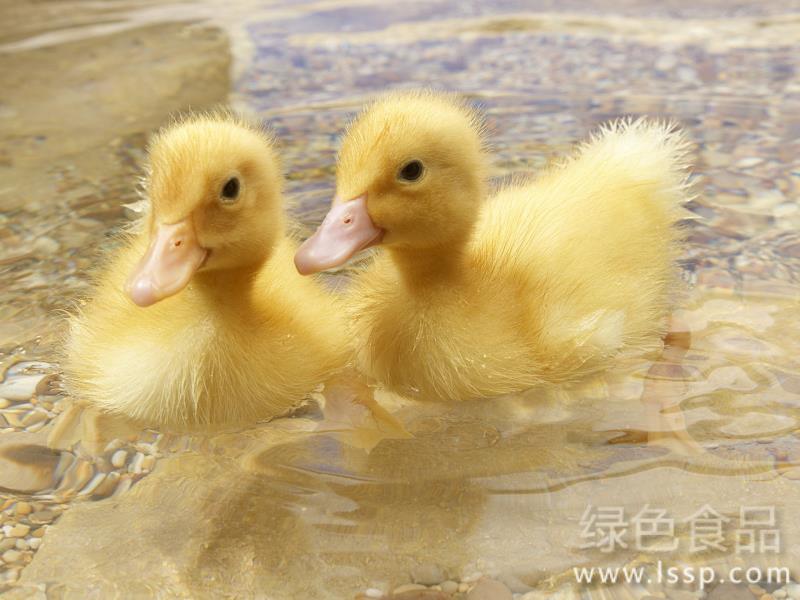
It is best to choose spring for brooding, and feeding management must also be done well
Spring is the best season for brooding; do a good job of brooding and feeding management
-
How to prevent and control frost damage to young and newly planted tea trees? These seven methods must be mastered
1. Apply winter manure. Young and newly planted tea trees have relatively weak cold resistance, so before overwintering, a heavy application of winter manure should be combined with earthing up and mounding around the base. The fertilizer should mainly be farmyard manure, stable manure and biogas residue, which have a certain heat-preserving effect, along with a certain amount of cake fertilizer, superphosphate and potassium sulfate fertilizer. Winter manure can not only preserve heat and prevent freezing and enhance the tea trees' freeze resistance, but also lay a good foundation for the tea trees' growth the following year. 2. Earth up and mound around the base. Preventing the root crown from freezing is a key measure for protecting young and newly planted tea trees from frost. Therefore, before young and newly planted tea trees overwinter, they should
-
As temperatures rise, oyster mushroom mite control must be carried out promptly
In recent years, when mushroom growers cultivate oyster mushrooms in spring and early summer, much of the raw material used is left over from last year and often carries mites. Mites feed on oyster mushroom mycelium and fruiting bodies, causing reduced yields and, in severe cases, total crop failure. At present, temperatures are gradually rising, which is very suitable for mite growth and development and accelerates their reproduction, so growers should pay attention to control. I. Main pest mites 1. Acarus siro (flour mite) Distribution and damage: This mite is a worldwide species. In edible mushroom production, flour mites often occur in environments contaminated by competing microorganisms; through their activity they spread the contaminants, causing healthy fruiting bodies to become damaged and rot. Flour mites can also directly feed on oyster mushroom mycelium, causing reduced yields or even total crop failure.
-
How to prevent and control garlic viral disease? These methods you must master
Mr. Sun of Xingyang City, Mr. Song of Sheqi County, Mr. Zhao of Biyang County and other readers called the newspaper's science and technology 110 hotline to ask how to prevent and control garlic viral disease. A reporter of this newspaper interviewed relevant experts from the newspaper's expert advisory group on this issue. Experts pointed out that the viral sources of garlic viral disease are mainly garlic mosaic virus and garlic latent virus. The virus mainly attaches to the bulbs to overwinter and becomes the primary infection source. When virus-carrying bulbs are sown, the seedlings can be infected after emergence, and through aphids, sap contact or farm operations in field management to healthy host
条件筛选