-

How to prevent and treat mushroom wet bubble disease? These methods must be mastered
1 Before planting, spray and disinfect the mushroom house and mushroom racks with a 5% bleaching powder aqueous solution or 5% formaldehyde solution; 2 Casing soil disinfection: the casing soil should be taken from deep soil 30 cm below the surface, never take topsoil, and even more so do not take soil from fields where mushroom waste has been produced; after the casing soil is prepared, it should be dried in the sun, and at the same time disinfected with chemicals. The specific method is: use 1.5 grams of Youmeijing per square meter, dilute with water, spray it, and mix the soil evenly. In areas with severe disease, the dosage may be appropriately increased. For the second application, after the second flush of mushrooms turns to the next batch, spray with a 700-1000 times diluted solution of Youmeijing
-
Complete Guide to Porcine Circovirus Prevention and Treatment, a Must-Read for Pig Farmers
Porcine circovirus infection is an immunosuppressive infectious disease caused by PCV-II, characterized by post-weaning multisystemic wasting syndrome and dermatitis and nephropathy syndrome. Its main manifestations include physical decline, emaciation, pallor, diarrhea, and the formation of red-purple spots on the skin. The disease was first reported by Canadian scholars in 1991, and in recent years it has occurred in many countries and regions around the world. In China, the disease was first reported in 2000, and at present, in areas of China with @#@227@#@ high pig-raising density and on farms with poorer feeding management, the occurrence of this disease is becoming increasingly widespread, and the harm to the pig industry is becoming increasingly serious.
-
How to fertilize mushrooms? These 8 steps must be mastered
During mushroom production, generally after three harvests, the nutrients in the compost decrease, the acidity rises, the vitality of the mycelium weakens, and the yield and quality decline. To achieve high quality and high yield of mushrooms, supplementary fertilization must be carried out. The specific methods are as follows: 1. Take rotted pig and cow urine, boil for 20 minutes, filter, then spray diluted with 10 to 20 times clear water, and after spraying, spray once more with clear water. 2. Take rotted and sun-dried straw, add 100 times clear water and boil into a liquid, and spray after it cools, which can make mushrooms robust. 3. When mushroom yield drops sharply, clean
-
Fox and raccoon dog mange mite disease must be carefully guarded against in autumn and winter, never be overlooked
In the current season, the breeding of fur animals is entering the fur growth period. In addition to meeting the various nutrients required for fur growth, special attention should be paid to the occurrence of external parasitic diseases. Zhaoyuan Farm has 100,000 foxes and raccoon dogs in stock and has rich experience in the prevention and treatment of lice and mange mite disease. The precautions are introduced as follows: Pay attention to observation. Skin diseases such as lice and mange mite disease cause great harm to fur animal breeding. They should attract sufficient attention from the vast number of breeding farms and breeders. Especially in the current winter fur growth season, inspecting and preventing mange mite disease is work that breeders must not neglect before pelting.
-
Canine distemper should not be taken lightly; dog owners must pay attention to prevention
"Canine distemper" is also called distemper, a highly contagious, acute infectious disease caused by a virus, and puppies under 1 year old are most susceptible. Currently there is no specific drug that can cure the disease, the mortality rate is between 50% and 90%, and it can occur in all four seasons. The key points for identifying dogs with canine distemper are as follows: First, body temperature shows a "U"-shaped change. That is, at the beginning of the illness the body temperature often rises to around 40, then returns to normal after 2 to 3 days, with a fever-free interval appearing; after several days, the body temperature rises again, mostly staying at 39.
-
The harm of influenza virus during bovine pregnancy must not be ignored
Bovine influenza is an acute febrile infectious disease, characterized by strong transmissibility, rapid spread, fast progression, and a fierce onset. As long as one cow in the herd is infected, most cattle will be infected and fall ill within a short period, especially during the spring and autumn seasons when the climate changes drastically and cold and heat fluctuate greatly, when the incidence rate is higher. Unsanitary, cold and damp cowsheds, poor feeding and management, exposure to wind or the shock of drinking cold water, and a decline in the cattle's resistance all make influenza more likely to be triggered. According to statistics, during the winter and spring influenza epidemics in Muling City, Heilongjiang Province over the past two years, the incidence rate among dairy cows reached 1
-
Pig eczema is highly prevalent in summer, and farmers must take strict precautions
Pig eczema, also known as pig damp-toxin disease, is mainly caused by pigs living in a damp environment for a long time. It is generally most severe during the high-temperature seasons of summer and autumn. Symptoms: affected pigs mostly develop the disease suddenly; at the beginning, the skin under the jaw, on the abdomen and on both sides of the perineum turns red, with broad bean-sized nodules appearing, and the pigs are restless due to itching. As the condition worsens, blisters and papules appear, and after they rupture they are often accompanied by yellow exudate, scabs and scales. If acute cases are not treated in time, they often become chronic, with the pig's skin becoming thick and rough and itching, and the pigs often rub against walls or trees to relieve the itching, leading to loss of hair over the whole body.
-
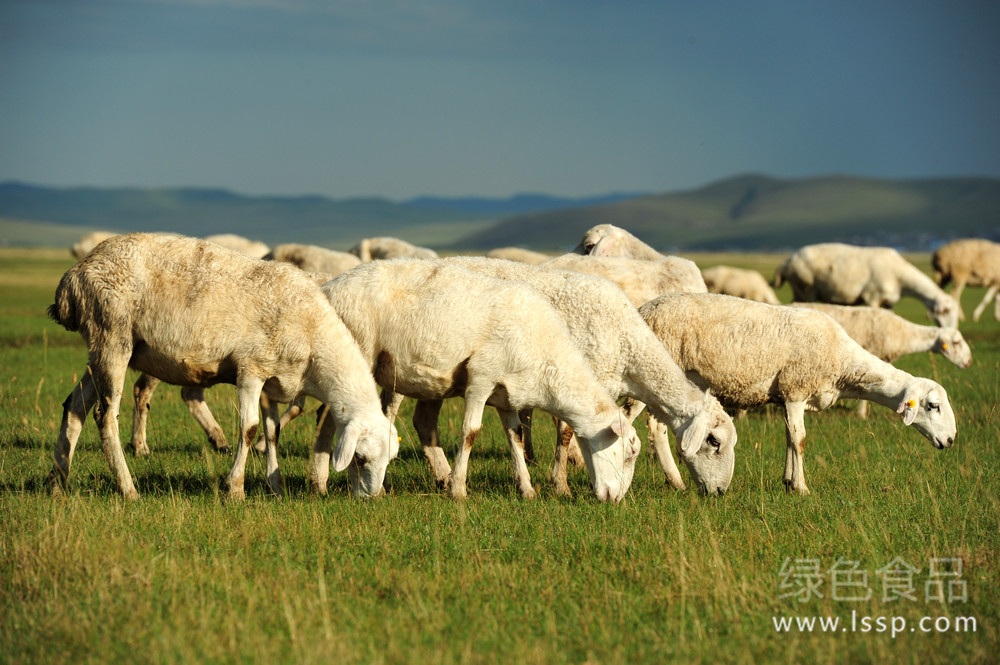
Sheep "craving green grass" disease occurs frequently in spring, sheep farmers must prevent it in advance
"Craving green grass" is also a disease; beware of sheep "craving green grass" disease in spring
-
4 Important Life Habits You Must Know for Raccoon Dog Farming
The raccoon dog's life habits have the following four characteristics. (1) Gregariousness: wild raccoon dogs usually live in pairs in dens, with 1 male and 1 female per den, though there are also cases of 1 male with multiple females or 1 female with multiple males. The parents and pups of neighboring dens usually play and frolic together, and mother raccoon dogs sometimes even nurse each other's young indiscriminately. Under domestic conditions, this characteristic can be used to group weaned pups into groups of 10~20 and raise them together in pens. (2) Nocturnal: this characteristic is very obvious in wild raccoon dogs. They sleep in their dens during the day and come out around dusk and dawn to move about and
-
How can the rabbit industry develop? These ten principles must be kept firmly in mind
The prices of white fox fur and blue fox fur at the Shangcun fur market in Suning County, Hebei Province have never been so identical. Blue fox fur (white fox fur) 90cm 350-360 yuan, 95cm 400 yuan, 1 m 450 yuan, 1.1 m 550 yuan. Because the off-season has already begun, the market appears quiet. According to observation, the expressions of the fur traders do not show a worried look; on the contrary, most practitioners reveal a confident look of being sure to succeed. In their spare time, they chat, discuss future market conditions, and many are joking around, while the fur
条件筛选