-
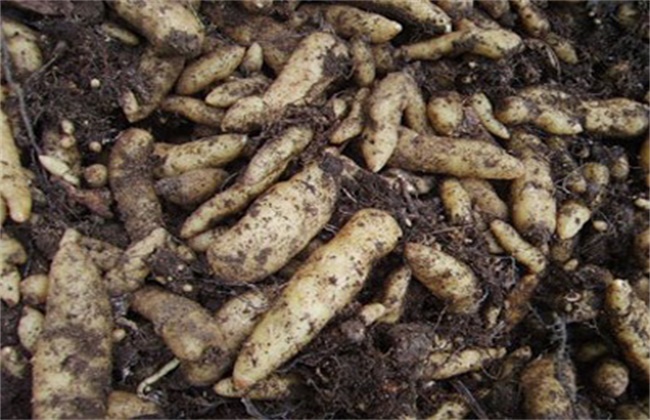
Detailed Explanation of Prevention and Control Techniques for Fungal Contamination in Gastrodia elata, a Must-Read for Growers
Prevention and Control Techniques for Fungal Contamination in Gastrodia elata
-

Licorice should not be stored for too long; the storage time of medicinal materials must be reasonably controlled
Licorice is generally stored as compressed bales wrapped in burlap, each weighing 50 kg, kept in a dry, ventilated place, with a safe moisture content of 12%-14% for the commodity. There are more than ten kinds of warehouse pests of licorice, including the coffee bean weevil, the brown mulberry borer, and the four-spotted chestnut borer. Fumigation with nitrogen or carbon dioxide for 514 hours can kill all adults and larvae, with no obvious change in the inner quality of licorice. Licorice is prone to mildew. If the air humidity is too high, mold spots or white and green mycelium easily appear on the surface of licorice. The following measures can be taken for prevention and control
-
How to Choose Land for Codonopsis Planting? These Methods Must Be Mastered
Codonopsis is a deep-rooted plant, and mature plants prefer light, so it is best to choose deep, fertile, sunny sandy loam for cultivation. Low-lying, waterlogged, and heavy clay soil is not suitable for cultivation; water accumulation in the soil easily causes root rot, poor aboveground plant growth, and low yield with poor quality. Slightly acidic to neutral soil with a pH of 6.5-7 is preferable. Legume and grass family crops are best as the previous crop; vegetable crops as the previous crop are prone to disease and should not be chosen. Continuous cropping is prohibited, and generally 3-4 years should pass before replanting.
-

Detailed explanation of key precautions for planting white peony (Paeonia lactiflora Pall.) root, these points must be mastered
Precautions for planting white peony root
-

-
How to manage Rehmannia glutinosa during the seedling stage? These planting techniques must be mastered
How should Rehmannia glutinosa be managed during the seedling stage? What should be noted? Please provide methods. For managing Rehmannia glutinosa during the seedling stage, you can refer to the following methods: 1. Cultivation and weeding: From the end of April to the beginning of May, management should focus mainly on cultivation and weeding. During the period when Rehmannia glutinosa seedlings emerge, weeds in the field must be removed promptly to prevent weeds...
条件筛选