-

How to increase humidity for Phalaenopsis (moth orchid) grown at home? What humidity level is suitable?
Anyone who has grown Phalaenopsis (moth orchid) at home knows that while they are beautiful, they do come with a few special requirements. Today let's talk about a particularly important aspect of Phalaenopsis care: humidity. Phalaenopsis is native to tropical and subtropical regions, where it is hot and humid. Having lived in such an environment for so long, Phalaenopsis has developed a unique
-

Can Phalaenopsis (moth orchid) be propagated by cuttings? A detailed guide to the fastest rooting methods
On a vibrant spring day, a deep breath always brings a scent of moss and grass, which is exactly the breath of growing flowers, grass and trees. When it comes to growing flowers, many households have surely kept "Phalaenopsis" (moth orchid), because their flower shape is distinct, like dancing butterflies, and placing one in the living room is unforgettable. However, flowers always bloom and fade
-

What is the easiest way to care for a Phalaenopsis (moth orchid) at home? Here is how to handle overwatering
Who can resist a beautiful sea of flowers? Especially for friends who love growing flowers, when first stepping into a dazzling flower market, they will surely let out an involuntary "wow, wow" - and the purpose of going to the flower market is, of course, to buy a few pots of flowers to decorate the home. In recent years, the plant that makes flower lovers willing to spend big money on is none other than the Phalaenopsis (moth orchid), because
-

How to prune a Phalaenopsis (moth orchid) after it finishes blooming? Post-bloom pruning methods
When growing a Phalaenopsis, the happiest moment is undoubtedly seeing its gorgeous blooms, but what should you do after the flowering period ends? Today I will explain in detail how to prune a Phalaenopsis after flowering. The degree of pruning directly affects the subsequent growth and blooming state of the Phalaenopsis. If you are eagerly hoping for it to rebloom quickly,
-

How do you wipe down dirty Phalaenopsis (moth orchid) leaves so they come out clean and glossy?
As the saying goes, "You don't see the dust when you're standing in it." When growing Phalaenopsis, haven't we all had this experience: you feel like you've been taking good care of it, but when you look closely, a fine layer of dust has quietly built up on the leaves, or some grime has stuck to them. Although this bit of dust and dirt looks like it has no deadly effect on the Phalaenopsis, in reality it interferes with the orchid's normal photosynthesis, and its looks plummet too - a nice pot of beautiful flowers instantly loses that refined feel.
-
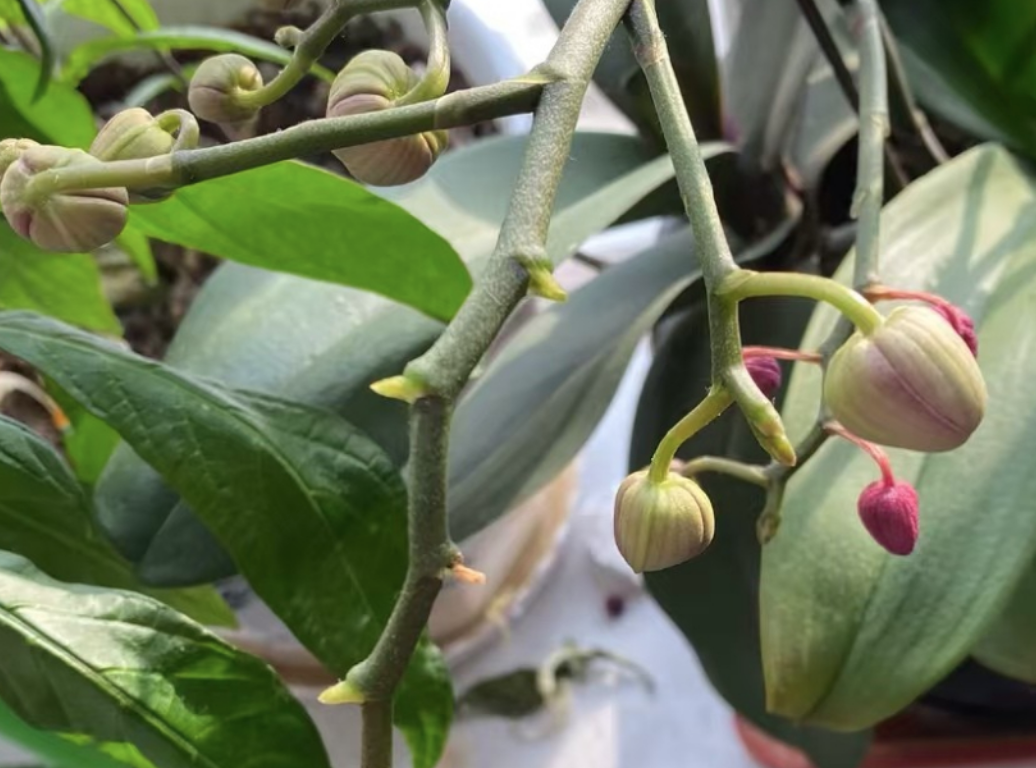
Will the moss of moth orchids accelerate their aging?
I believe that many flower enthusiasts have bought moth orchids during the Chinese New Year's Eve period. Besides having good symbolic meanings, it is also
-
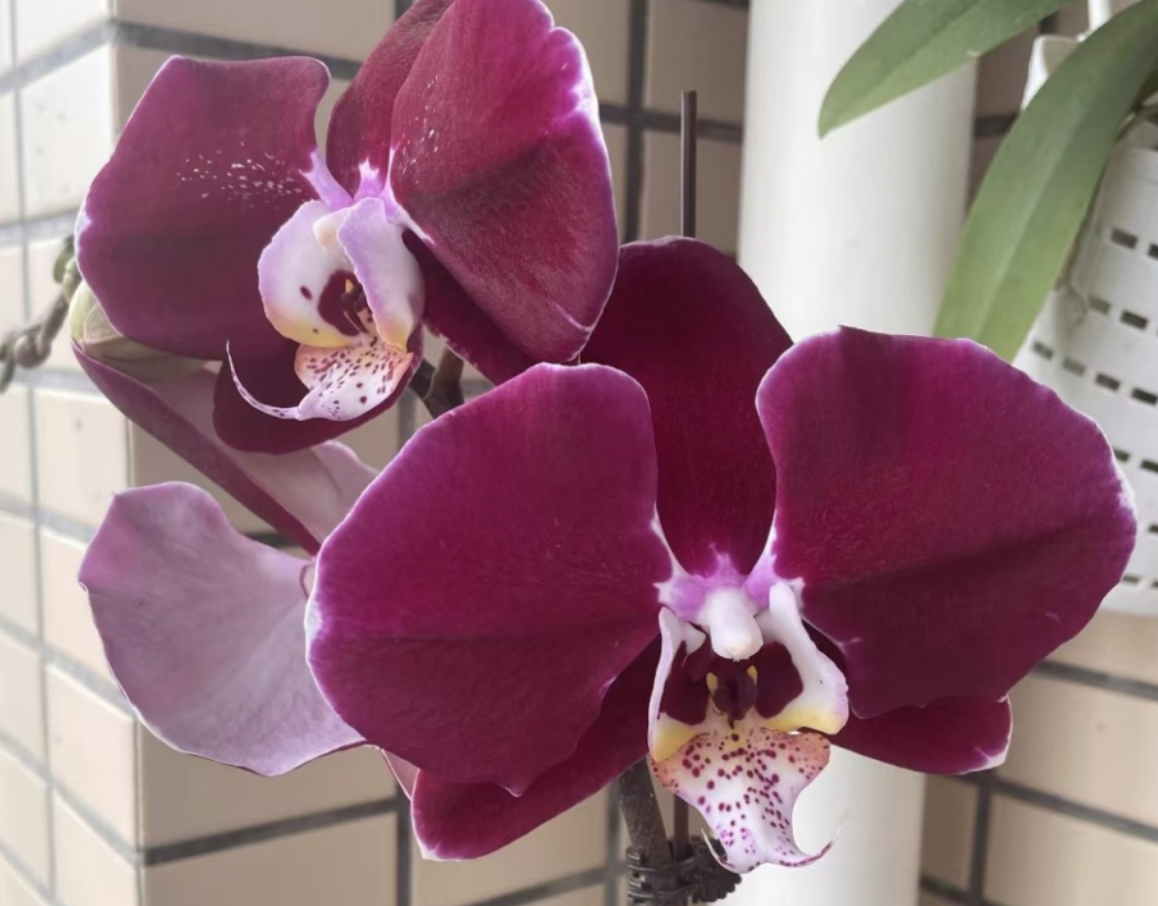
What kind of water is the best for watering moth orchids?
On the path of cultivating orchids well, many people have noticed that watering is the key to growing them successfully. Generally speaking, ordinary people
-

How to Simply Treat Moldy Roots When Propagating Roots of Phalaenopsis (Moth Orchid)?
During care, many flower enthusiasts encounter the problem of moldy roots on Phalaenopsis orchids, which not only affects the plant's appearance but may also pose a threat to its health. So, when facing moldy Phalaenopsis roots, how should we handle it? The causes of moldy Phalaenopsis roots are varied, mainly including overwatering, substrate
-

How to Transfer a Hydroponic Phalaenopsis (Moth Orchid) to Soil Culture and Points to Note
Hydroponic Phalaenopsis orchids are favored by many enthusiasts for their unique ornamental value and ease of care. As the plant grows, some growers may wish to transfer a hydroponic Phalaenopsis to soil culture to promote more robust growth and flowering. Steps for transferring a hydroponic Phalaenopsis to soil culture: Prepare the pot and soil: Soil selection: Phalaenopsis likes
-

A Detailed Guide to the Benefits, Planting Methods and Timing of Motherwort
Since ancient times, "motherwort" has been called the guardian of women's health. It is an annual or biennial herb of the genus Leonurus in the Lamiaceae family, and some people also call it Weizi. In the Ming Dynasty, Li Shizhen called it "benefiting the mother and brightening the eyes." In the field of medicine, the leaves and flowers are dried and then boiled in water or used with eggs in dietary therapy to treat gynecological problems such as amenorrhea and dysmenorrhea.
条件筛选