-
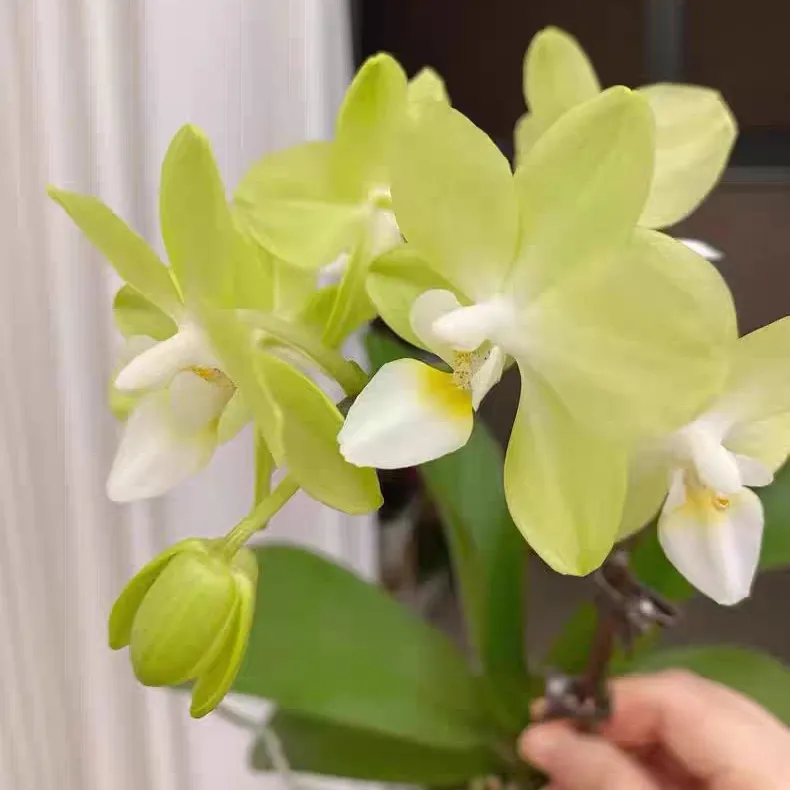
How to determine if a phalaenopsis (moth orchid) has entered its growing period?
# How to Care for Phalaenopsis: Master Its Growth Rhythm The key to caring for phalaenopsis (moth orchids) lies in understanding their "growth rhythm"—if you
-
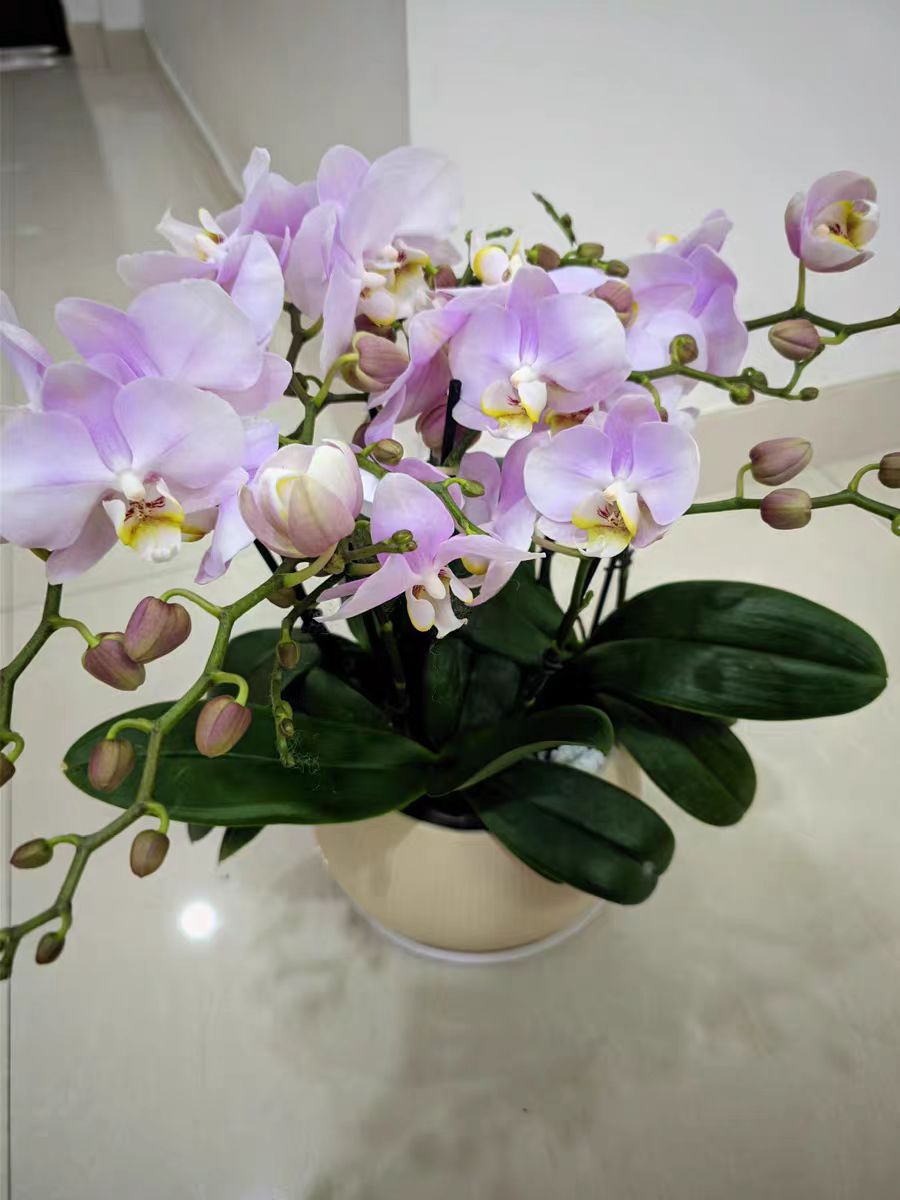
Is Phalaenopsis (Moth Orchid) too dry to grow roots?
Many flower enthusiasts encounter a common problem when cultivating Phalaenopsis: the pot feels parched, and upon checking, the roots appear wilted, with no
-
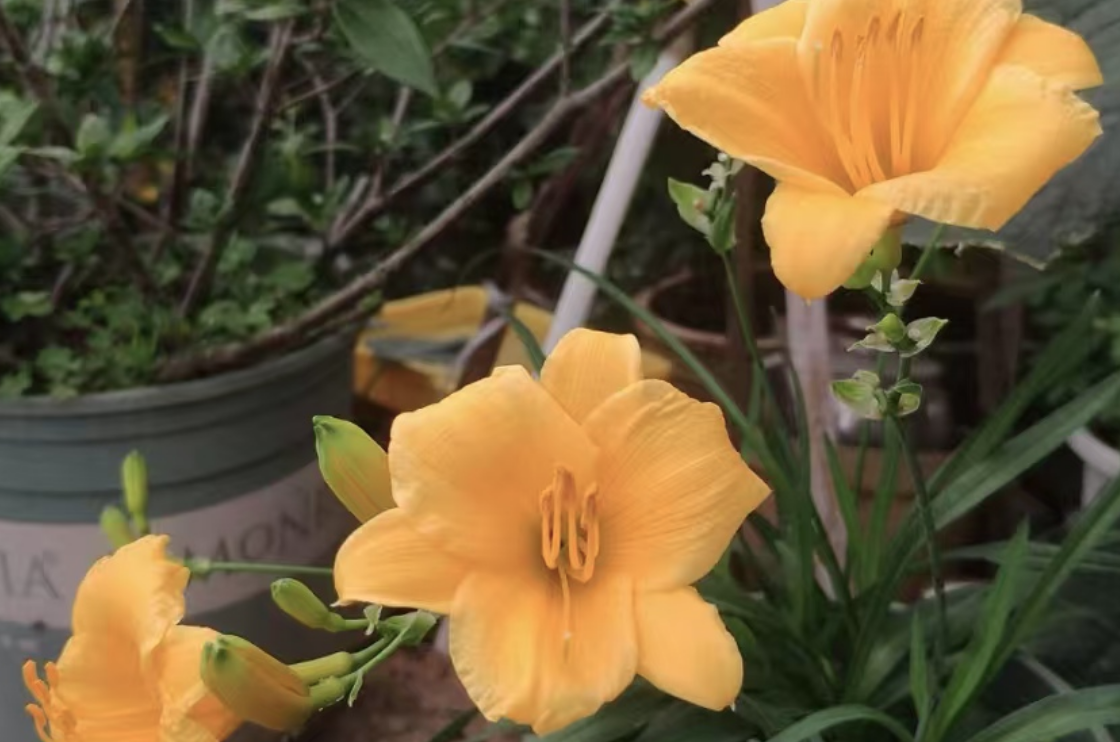
The Origin of Hemerocallis as the Mother's Flower
Today, I'm going to introduce a herbaceous plant that symbolizes motherhood, and it's "Hemerocallis fulva". It's native to the southern regions of China,
-
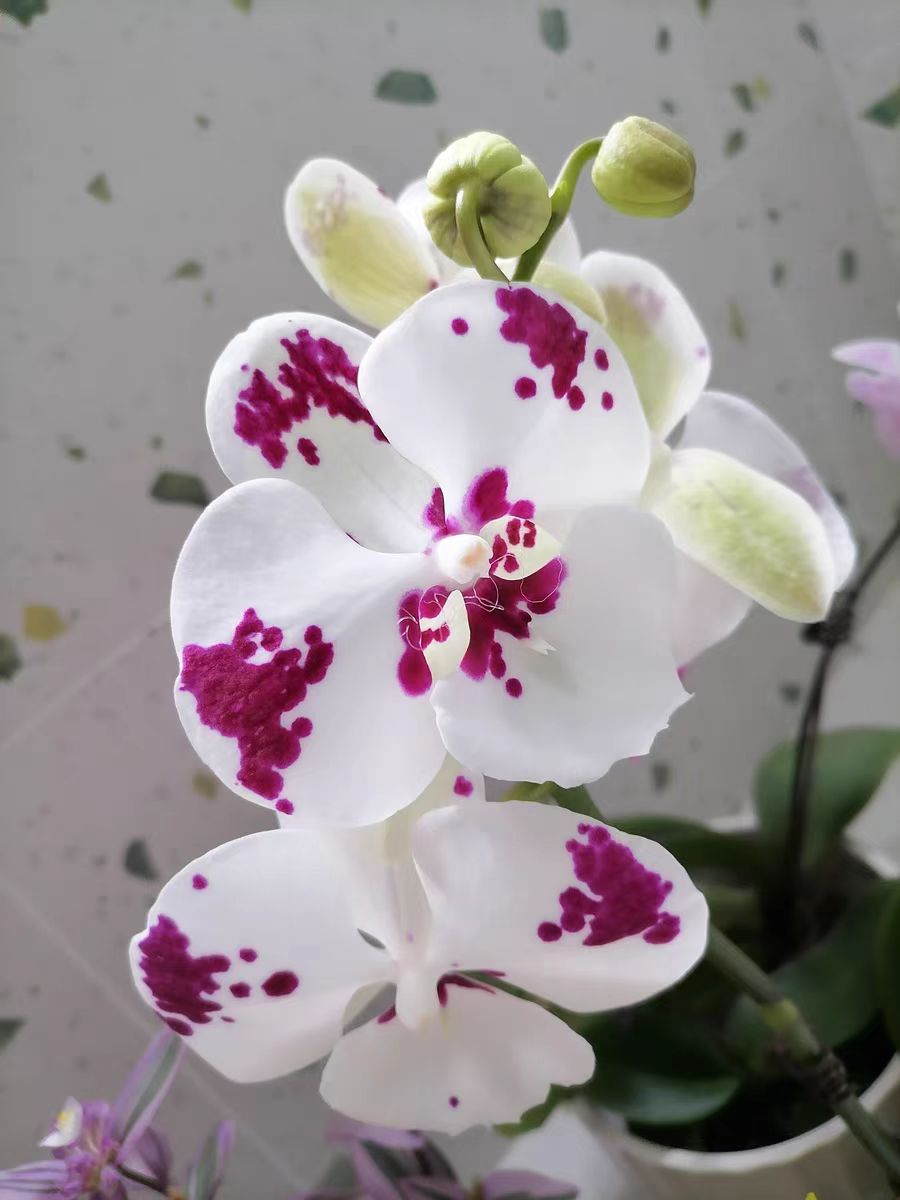
Reasons for Yellowing Leaves of Phalaenopsis (Moth Orchid) After Repotting
If Phalaenopsis (moth orchids) are not properly cared for after repotting, problems such as yellowing leaves may easily occur. Today, let's discuss the reasons
-
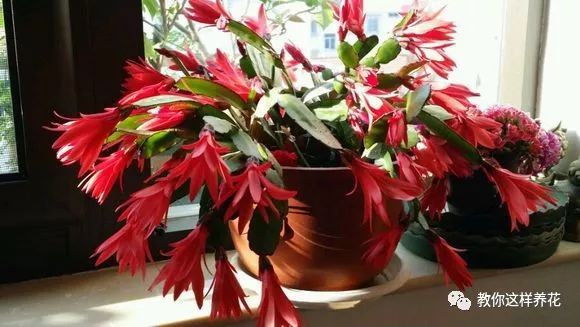
A Christmas cactus kept for 10 years turns out to be fake - what flower is mother-in-law actually growing?
Flower enthusiast Granny Wu grew a "Christmas cactus" for 10 years, and every year it bloomed with over a hundred flowers, exceptionally beautiful! A while ago she sent photos of the blooming "Christmas cactus" to fellow flower lovers, but they all said it was a fake Christmas cactus, and some said...
-

Key Technical Points for Mother Plant Cultivation Management and Pest and Disease Control of Phalaenopsis
Phalaenopsis is currently mainly sold as commercial potted plants and cut flowers. Most native Phalaenopsis species have small flowers with inconspicuous colors. Commercially cultivated Phalaenopsis are varieties developed through artificial hybridization and selection, with rich and varied flower colors and forms, and flowers and flower types of different sizes. Today we will learn together about mother plant cultivation management techniques for Phalaenopsis.
-

Control methods for red-bellied white tiger moth infestation in October flowers
Control of the red-bellied white tiger moth, a flower pest, in October
-
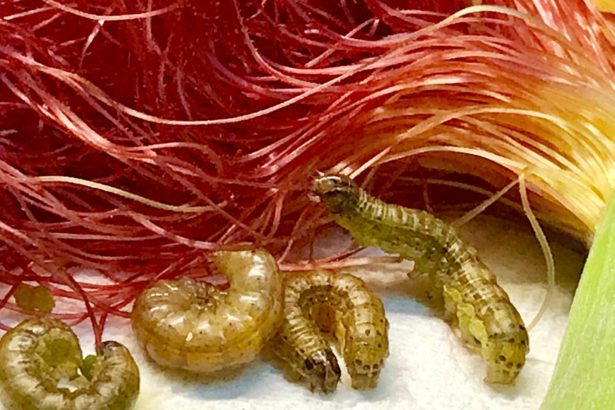
Fall armyworm larvae spread across Taiwan, adult moths caught in Matsu and Penghu raise alarm
Fall armyworm 0614"All of Taiwan falls, larvae appear scattered like heavenly maiden strewing flowers! Adult moths caught in Matsu and Penghu sound the alarm
-
What are the precautions for buying mushroom mother cultures?
Through surveys in Pulandian and the surrounding areas, it was found that in actual production most mushroom growers do not buy spawn for direct cultivation, but instead buy mother cultures and propagate the spawn themselves. Although this can save costs, the following points should be noted when purchasing to avoid unnecessary losses. 1. Ask about culture age. When buying mother cultures, first ask about the culture age, which directly affects the quality and finished-product rate of the spawn. 2. Ask about the substrate. Mother cultures grown on different substrates look different; for example, grain-based cultures have denser and whiter mycelium than straw-based cultures, and straw-based cultures with more wheat bran, soybean powder, cornmeal, etc. grow more vigorously than those with less of these supplements. Do not let the nutritional richness or poverty of the medium affect your judgment of culture quality. Judge culture quality according to the different substrates. In addition, relatively nutrient-rich substrates age quickly after the culture finishes growing and should not be stored too long.
-
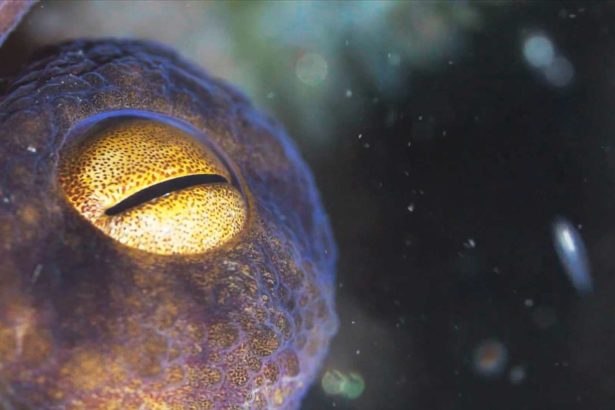
Baby octopuses are born and swim toward the sea; the story of the octopus mother brings people to tears
Have you ever seen baby octopuses being born? Watching the little octopuses swim toward the sea, I couldn't hold back my tears in the ocean | The story of the octopus mother
条件筛选