-
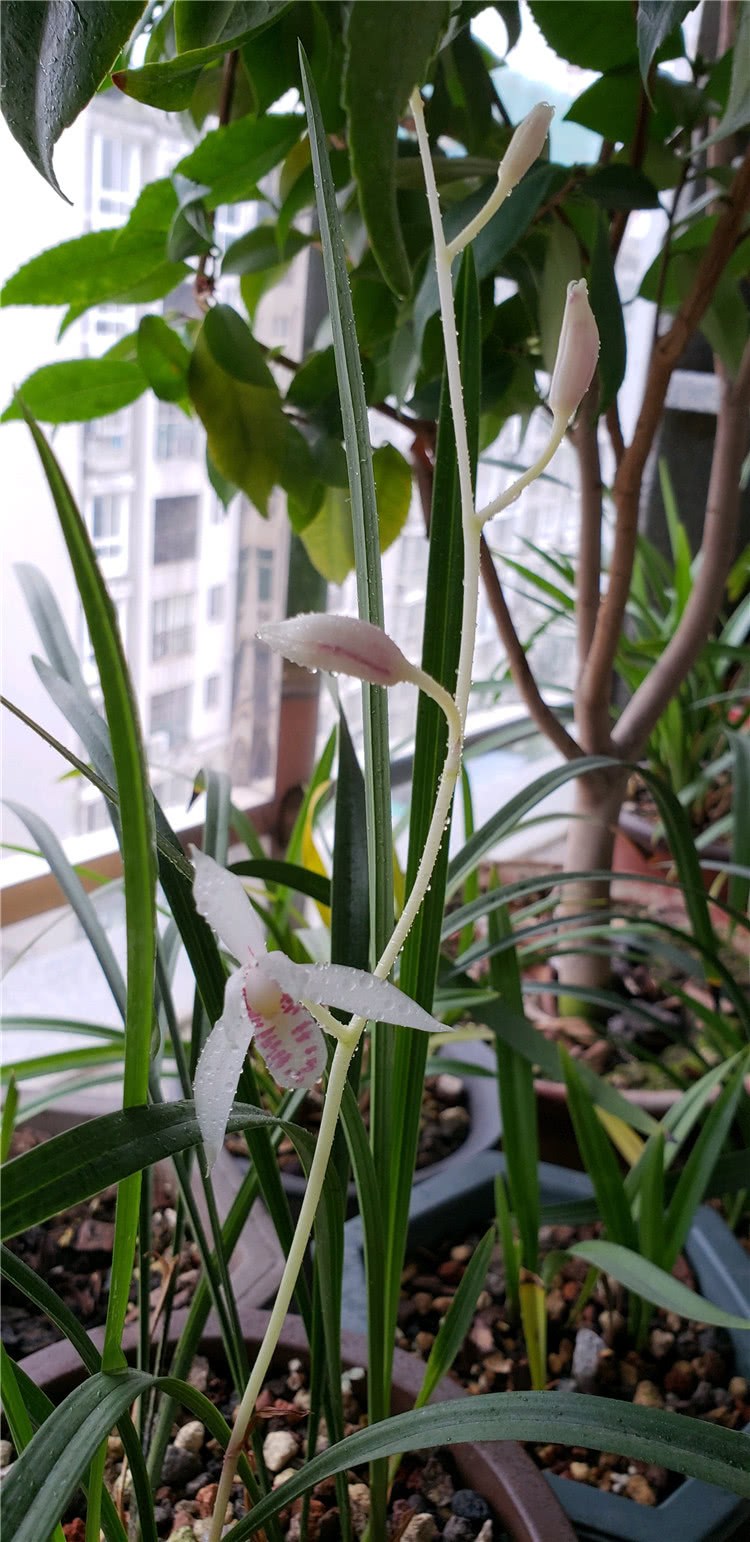
Using bracket fungus to grow orchids: a careless mistake can easily kill the potted plant, so beginners should not use it blindly
When it comes to growing orchids, there is no shortage of experts among hobbyists, and they are all "adventurers" of orchid growing, fond of running all kinds of different experiments and trying all sorts of different things to grow orchids. Recently, in a hobbyist post by "Fengwu Learns to Grow Orchids," I saw...
-
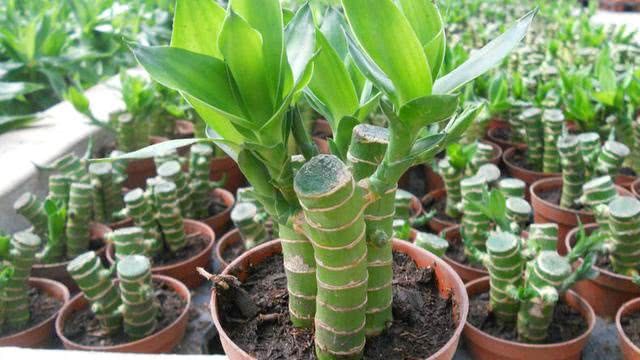
Avoid these mistakes when growing lucky bamboo at home so the leaves stay emerald green
Lucky bamboo is a very common foliage plant. Its ability to adapt to the environment is quite strong. It can be grown in pots or in water. It tolerates shade and likes warm, humid conditions with scattered sunlight, growing in a well-ventilated environment. Potted lucky bamboo and water-grown lucky bamboo...
-

It is often mistaken for crawfish, its habitat is nothing short of a wonderland, and its price is 5 times that of lobster, yet few people have ever eaten it
In northeast China, there is a unique wild delicacy. It has long claws, a short body, thin shrimp antennae, and a plump tail. Do you know what this wild delicacy is? If you say it is crawfish, you would be greatly mistaken. This...
-
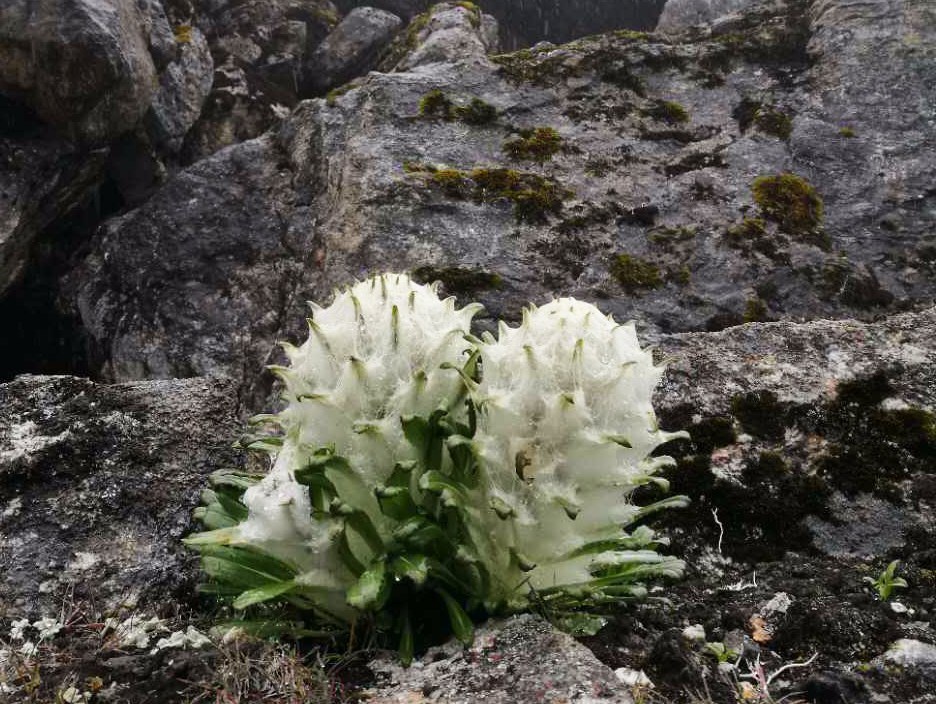
Often mistaken for Tianshan snow lotus, many people risk picking it only to find it worthless
A while ago, many people posted online about "taking a spontaneous trip," and many chose to travel and take adventures because of it. Some alpine regions became their destinations. There is naturally nothing wrong with traveling, but as our living conditions have risen, our civility has sunk to the dust. I do not know if you have ever heard of a medicinal herb called "Tianshan snow lotus." If you have not, let me educate you about it. Ordinary plants generally cannot grow among cliffs above 4,000 m in altitude. The extreme cold of minus several dozen degrees Celsius freezes many plants to death before they even sprout, but the snow lotus can stand proudly in the wind and snow amid oxygen deprivation and extreme cold. People all say the plum blossom has a proud spirit, but compared with the snow lotus, it is still far inferior.
-
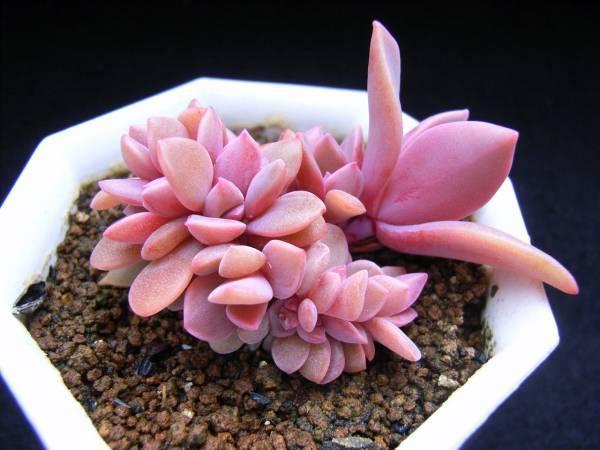
These succulents can easily die in summer with the slightest mistake
Succulents have such a powdery, tender look that you really want to take a bite, and they are deeply loved by everyone. But now that summer temperatures are high, many succulents struggle to make it through summer safely. They clearly did well in spring, yet every time summer comes, you can only watch it...
-
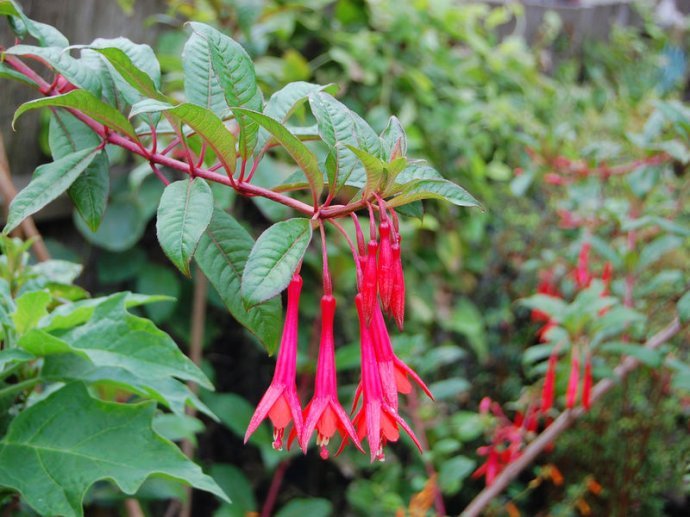
Fuchsia leaves turning yellow in hot weather: what to do? Avoid these care mistakes
In summer, when the weather is hot, it is quite normal for fuchsia leaves to wilt and turn yellow. Only with careful care, once summer is over, it will look fresh and new again. But if the care method is wrong at times, things may backfire, so...
-
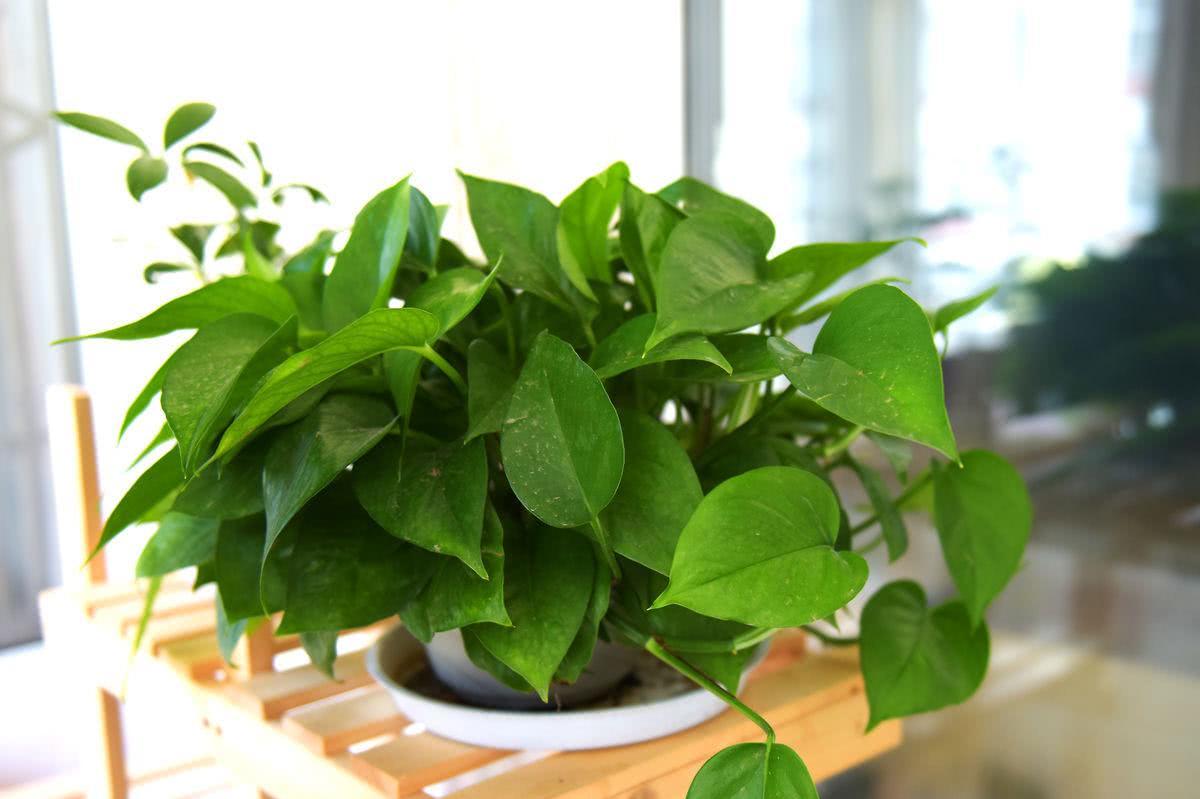
Common mistakes when putting flowers in the sun - see if you have made any of them
Keeping some flowers and plants at home has become a trend nowadays, but growing flowers and plants well is not a simple matter. Take putting plants in the sun, for example: if done improperly, it will make the flowers...
-

How should mist irrigation be carried out when growing black fungus (wood ear mushroom)?
How do you do mist irrigation when growing wood ear mushrooms? Please give an introduction to the method. Mist irrigation timing for wood ear mushrooms: every spring is the golden season for cultivating black fungus (wood ear mushroom), and mist irrigation at this time can yield 1-2 extra flushes of spring mushrooms, with this increased production accounting for more than 80% of the total increase. In early summer, if high temperatures (above 30°C) do not occur, using mist irrigation to lower the temperature and raise humidity can also allow harvesting 1...
-
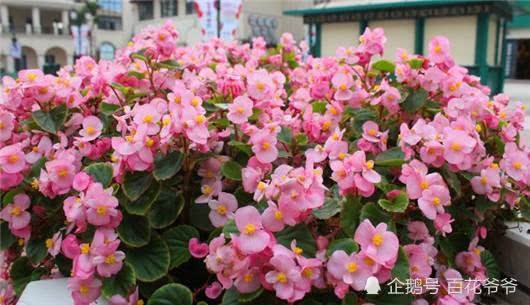
These flowers rot at the roots and die from too much watering, and misting can kill them too, so keep your hands off
In the hot summer, water evaporates fairly quickly, so compared with other seasons, many flowers and plants need to be watered more often. Quite a few gardening fans wish they could water their flowers every single day, and as a result, water accumulates, the roots rot, and the plants die. Other gardening fans think...
-

The fruit of the Coriaria nepalensis (Chinese coriaria) turns from bright red to purplish black, tastes sweet with a slight astringency, and is highly poisonous; never eat it by mistake.
Coriaria nepalensis fruit, also known as poison empty wood, water coriaria, duck-feed wood, chicken-plague firewood, and horse saddle, among other names, is a plant of the family Coriariaceae, growing on hillsides or in mountain gullies, and is commonly seen in the southern provinces of our country. The Coriaria nepalensis fruit is pea-sized, round and fleshy, and green when unripe...
条件筛选