Common mistakes when putting flowers in the sun - see if you have made any of them
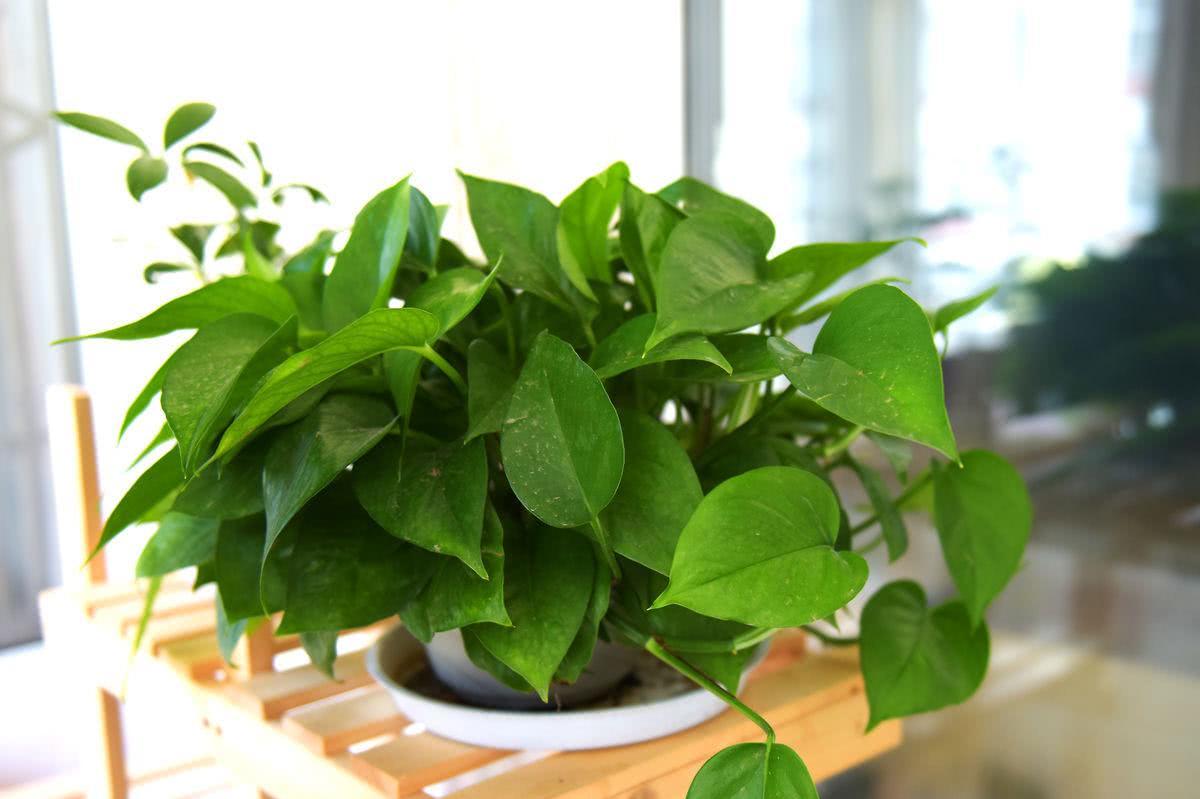
Keeping some flowers and plants at home has become a trend nowadays, but growing flowers and plants well is not a simple matter. Take putting plants in the sun, for example: if done improperly, it will cause the flowers and plants to suffer some harm and lose all their vitality. Below are some mistakes to avoid when putting plants in the sun - be sure to avoid these.
Shade-loving plants do not need sun
Many people think shade-loving plants do not need to be put in the sun and keep them in shady places for a long time. This prevents the plants from carrying out photosynthesis well, is bad for chlorophyll formation, and causes the leaves to turn yellow. So when growing shade-loving plants, you can give them appropriate scattered light, which will help the flowers and plants grow better.
The stronger the light for sun-loving plants, the better
Many people think sun-loving flowers and plants should be placed in a place with plenty of light, and that the stronger the light, the better for the plants. But with the strong midday sun now, if you put them under the sun to bake, the plants will be scorched, causing their leaves to dry up and fall off. So when growing plants, you need to give them appropriate light, and when the light is strong in summer, just shade them appropriately.
The direction of the flower pot never changes
Many people, when putting plants in the sun, just place them somewhere with light and then never move them again. This is actually bad for plant growth, because plants all have a certain phototropism and will grow toward the light, gradually bending the stems and affecting their appearance. So when growing them, it is best to turn the flower pot regularly so the plants can receive light evenly - preferably turn the pot once a week.
Putting them in the sun through glass
During the peak growing period of plants, if they are always put in the sun through glass, it is bad for their growth, because glass can block ultraviolet rays, and ultraviolet rays happen to be good for plant growth. If conditions allow, you can move them into the yard, but shade them appropriately at noon. If you live in a building, you can open the windows to let in more air, which also helps prevent the growth of bacteria.