It is often mistaken for crawfish, its habitat is nothing short of a wonderland, and its price is 5 times that of lobster, yet few people have ever eaten it
In northeast China, there is a unique wild delicacy. It has long claws, a short body, thin shrimp antennae, and a plump tail. Do you know what this wild delicacy is? If you say it is crawfish, you would be greatly mistaken. This wild delicacy is called the crayfish [Cambaroides].
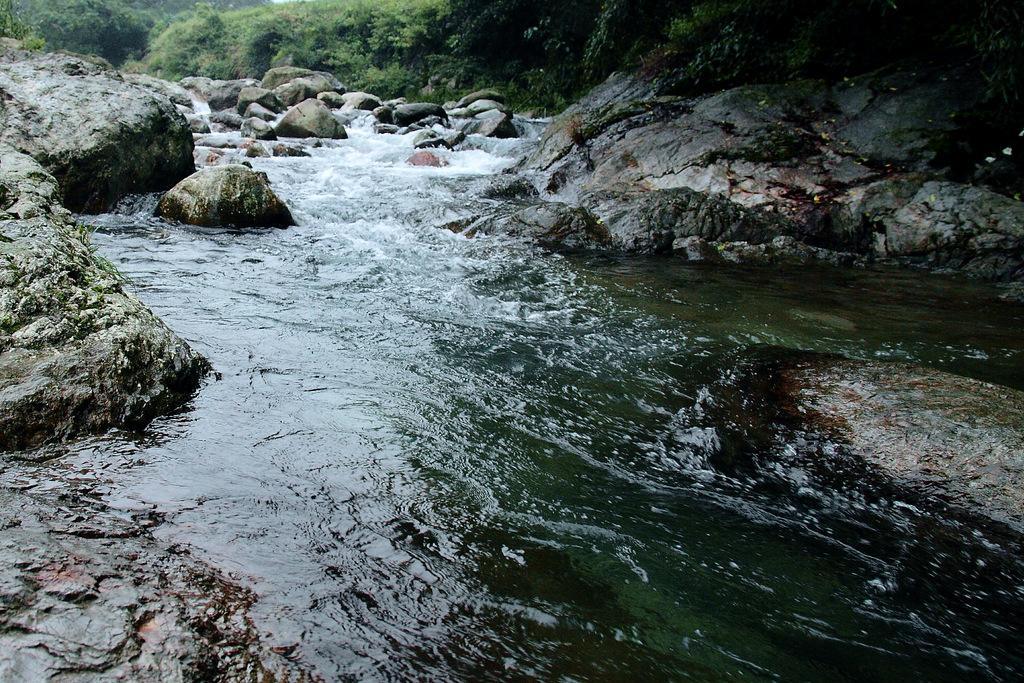
The crayfish [Cambaroides] and the crawfish look very similar, so it is often mistaken for crawfish, but please do not mention it in the same breath as crawfish; its status is not something crawfish can compare with. First, let us get to know the crayfish [Cambaroides]. The crayfish [Cambaroides] is a native wild delicacy of China, mainly distributed in northeast China, such as northern Liaoning, the Changbai Mountains in Jilin Province, the Yalu River, Heilongjiang, and so on. As for the environment where it grows, it can be said that the growing environment of the crayfish [Cambaroides] is nothing short of a wonderland, mainly in rivers and lakes near mountain streams.
The reason the growing environment of the crayfish [Cambaroides] is called a wonderland is that it is a freshwater crayfish that can only grow by streams in the mountains of rural areas, and only in unpolluted stream water. Therefore, compared with crawfish, the crayfish [Cambaroides] can be said to be very clean, and it is also very demanding about water sources. If you catch a crayfish [Cambaroides] and put it in a fish tank at home, it basically cannot survive, so the crayfish [Cambaroides] cannot be artificially farmed either, which also makes it a rare wild delicacy.
As for the values of the crayfish [Cambaroides], there are many. Because its growing environment is very good, it is not only clean, but its meat is also very delicious, with good edible value and dietary therapeutic value. It is rich in nutrients, such as vitamin A, carotene, amino acids, vitamin C, calcium, potassium, phosphorus, magnesium, iron, and as many as dozens of nutrients.
Its meat is very soft and easy to digest, and for people who are weak or need recuperation after illness, it has an auxiliary effect in helping them recover quickly. Moreover, its body is also rich in magnesium (60 mg per 100 g), which has an excellent regulating effect on the heart.
Most importantly, the crayfish [Cambaroides] also contains a substance called "astaxanthin," which helps eliminate "jet lag" caused by time difference reactions.
The most common ways to eat the crayfish [Cambaroides] are "crayfish [Cambaroides] tofu" and steamed crayfish [Cambaroides], and the taste is truly very delicious. However, because the crayfish [Cambaroides] has very high environmental requirements, cannot be artificially farmed, and is affected by environmental pollution, today's crayfish [Cambaroides] are becoming fewer and fewer, so the price is very expensive, about 5 times that of crawfish. Also, because today's crayfish [Cambaroides] are very few, few people have eaten it (except, of course, in northeast China).
However, the author says one last thing: since this crayfish [Cambaroides] is so good, we should protect its environment well and not let it go extinct. What do you all think?