-
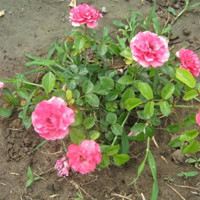
Miniature roses actually have flower names too, did you know?
Miniature roses, as the name suggests, are roses with a relatively short and small plant form. Their plant form is short and small, spherical in shape, with numerous flower heads, and because of their unique characteristics they are also called "diamond roses".
-
What kind of growing environment suits miniature roses?
Miniature roses, as the name suggests, are roses with a relatively short, compact growth habit. Their plants are short and rounded, with numerous flower heads, and because of their distinctive character they are also known as "diamond roses."
-

Compound disasters on hillslopes intensify; smart soil and sediment monitoring and inter-ministerial integration advance together
Compound disasters on hillslopes intensify; boosting smart soil and sediment monitoring and strengthening inter-ministerial integration advance on two tracks
-
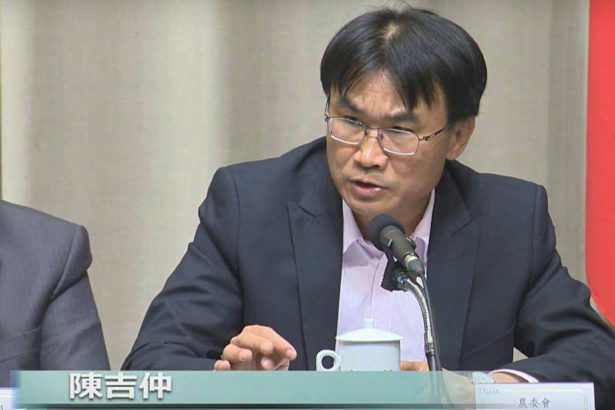
Executive Yuan Five-Ministry Restructuring Plan Finalised, Water Resources, Forest Conservation, and Central Weather Bureau to Be Included in the Ministry of Environment and Resources
Executive Yuan Five-Ministry Restructuring Plan Finalised, Water Resources, Forest Conservation, and Central Weather Bureau to Be Included in the Ministry of Environment and Resources
-
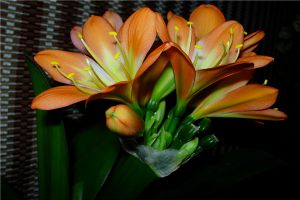
How to handle a stalled Clivia (Clivia miniata)? Sharing practical solutions
When a plant stalls, it is very likely that the potting soil has already become compacted, with insufficient water permeability and aeration, or that improper fertilization has caused root rot. So start from the roots: first cut off the rotten roots, then add hormones to stimulate root growth, after that repot it, and then add a light fertilizer and let it recover for a few days.
-

How to rescue a Clivia miniata with shriveled roots? Try these methods
If the roots of a Clivia miniata have shriveled, you must rescue it right away. First, take the plant out of the pot. Then, cut off all the roots that have already shriveled. Next, soak it in a disinfectant solution for about ten minutes. After that, place it in a ventilated, shady spot for two days. Then replace the soil and plant it again. In the care that follows, take special care not to give too much water.
-
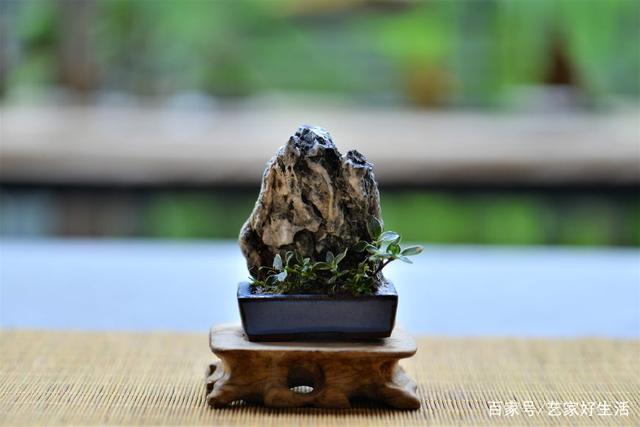
How do you make a miniature bonsai? When you miss home, make one you like
Every holiday seems to be a day for going home. Like this May Day holiday, it is actually only one day more than an ordinary weekend, yet it is a short break that many people working away from home long for. Not to mention the highways are congested that day, a quick search online shows high-speed rail...
-
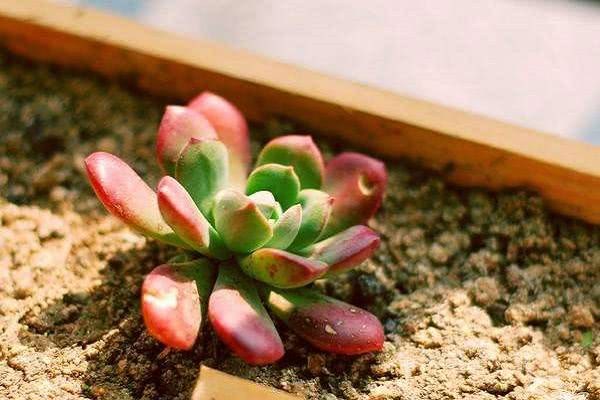
It is not hard to make Echeveria 'Minibelle' turn red; mastering light and temperature is the key
Once the leaves of Echeveria 'Minibelle' turn red, its overall ornamental appeal improves too - does it not give off a lively, flourishing feel? So when some flower lovers notice that the leaves of their Echeveria 'Minibelle' at home are not red, they always assume the time has not come yet. Actually, that is not the case at all...
-
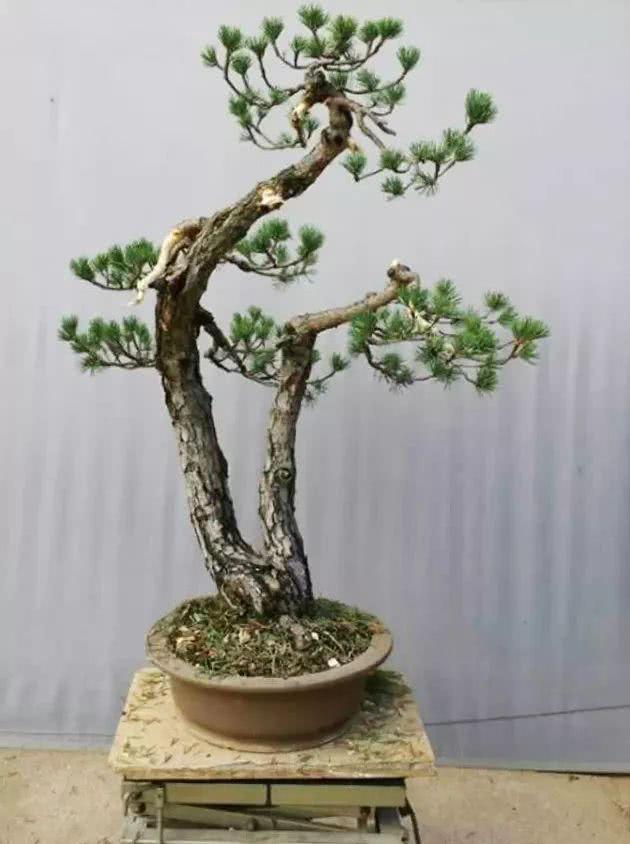
A six-image detailed explanation of a single-trunk double-stem miniature bonsai, from which many bonsai styles originate
In the previous article, we talked about rooting cypress cuttings, and also about making fingertip bonsai from rooted cypress cuttings. Strike while the iron is hot - if we grow them a bit longer, once the cypress seedlings get bigger, how else can we play with them? Is there an upgraded version of bonsai-making...
-
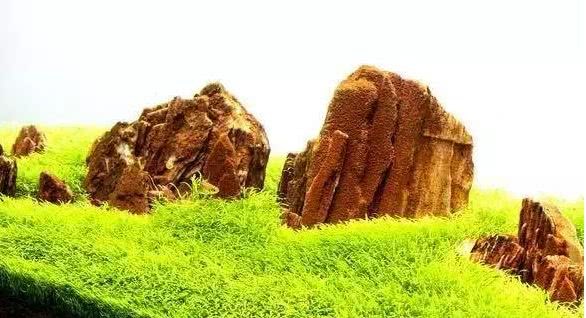
How should Utricularia graminifolia be grown? Master the correct care methods
Utricularia graminifolia is a very densely growing aquatic plant whose roots and leaves can transform into each other. As a foreground plant it can be said to be very finicky, but wanting to grow it into the look shown below is quite difficult; first, you need to understand the environment it likes...
条件筛选