-
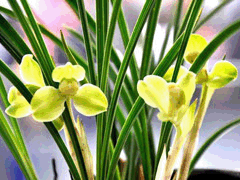
Symptom Identification and Control Methods of Root Rot in Orchids
Symptoms and Control Measures of Root Rot in Orchids
-

What to Do When Your Plants Get Bugs? 4 Pest Control Methods You Can Easily Learn in 2 Minutes
Many people like to keep a few potted green plants indoors. They can decorate the home environment, soothe the mind, and cultivate patience and attentiveness. But when growing flowers, pests always seem to appear, such as red spider mites, aphids, black gnats, and so on. It is really...
-
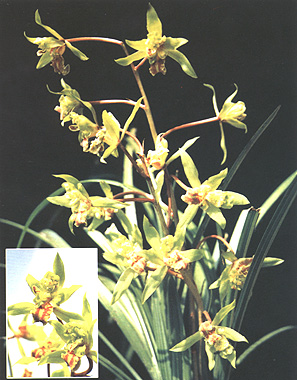
A Guide to Appreciating Chinese Huilan Orchids: A Detailed Explanation of Orchid Appreciation Methods
The character "hui" in huilan (Chinese cymbidium) already appeared in the "Chu Ci" by Qu Yuan, the great poet of the State of Chu during the Warring States period. His verse says: "Having cultivated lan in nine wan (one wan equals twelve mu -- translator's note)...
-
-
What are the pollution-free prevention and control methods for orchid pests and diseases?
How to prevent and control orchid pests and diseases without pollution
-
Rhododendron, spider plant, and pothos leaves turning yellow and withered at the tips: three methods to make the leaves tender green and glossy
Rhododendron, spider plant (Chlorophytum comosum), and pothos (Epipremnum aureum) stay evergreen all year round and are very elegant. However, their leaves often become withered at the tips, dry and yellow, and drop off, which not only affects their appearance but can also affect their growth. Therefore, during care, you should, according to their growth...
-
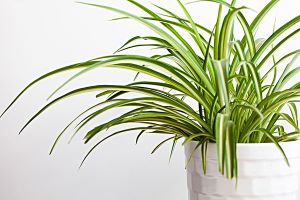
What soil is best for spider plants? A detailed guide to soil mixing methods
We can mix soil made from rotten leaves with some sand or coal ash. This kind of soil is top-grade in both nutrients and aeration. Leaf mold soil is also quite good for it, because this soil is relatively high in nutrients. Adding some sand to ordinary soil is also fine.
-
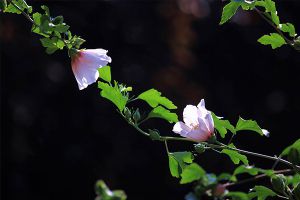
Post-bloom care methods and precautions for hibiscus
After blooming, the flowers need to be dealt with so they do not waste nutrients for nothing. The first thing we need to do is cut off the withered flowers, then apply fertilizer, and after that give it supplemental light. Because giving it appropriate light can make it bloom again. The water supply also needs to be sufficient; if it is not enough, the buds are very likely to drop.
-

How to Grow Forget-Me-Nots? Detailed Guide to Sowing Methods and Care Tips
The time is generally from September each year to January of the following year. The flower soil should be loose, airy, fertile, nutrient-rich, well-draining, and slightly alkaline. Choose seeds that are as plump as possible and free of pests and diseases. After scattering the seeds, you also need to cover them with a thin layer of soil. Humidity must be ensured first and foremost. Then there is temperature, which should be 15 to 20°C; do not let it get too high, at most 25°C. In addition, pay attention to ventilation. After about ten days to half a month, they will sprout. When about five true leaves have grown, they can be transplanted.
-
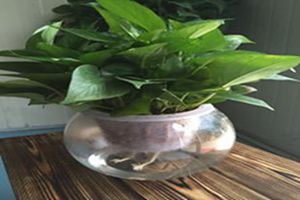
How to Prune Pothos in Water: A Full Guide to Methods and Tips
To keep it from growing too fast, which makes its shape unattractive and its roots cramped, it needs to be pruned regularly. If a moss pole has been placed in the water, cut away half of the stems and leaves on the pole; if there is no pole, cut away the stems and leaves that rise more than 20 cm above the bottle. After pruning, place it in a spot with light and air movement and care for it well.
条件筛选