How to Prune Pothos in Water: A Full Guide to Methods and Tips
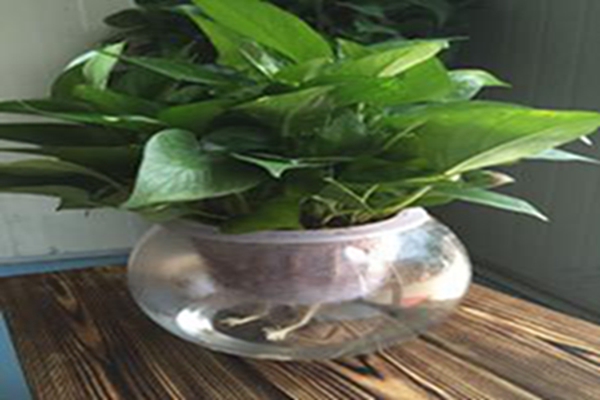
1. Can It Be Pruned?
1. Many people think this water-grown plant does not need pruning and cannot be pruned, but this is wrong. Its root system is very well developed, so its roots need to be pruned for it; otherwise, roots that are too long will absorb the nutrients in the water too quickly, causing excessive growth, which is bad for the growth of its leaves, so they must be cut shorter.
2. If its leaves grow too densely, they also need to be pruned; otherwise they will block the space in the water and cause a lack of O2. At the same time, roots that have rotted or are too crowded also need to be cut away, so that its healthy growth is not affected.
3. One thing to note is that in the depths of winter the air is relatively cold, and if you prune its roots at this time, it will grow very slowly, which is bad for it, so it is best to wait until spring to prune it.
2. How to Prune
1. For this water-grown plant, to keep it from growing too fast, having an unattractive shape and cramped roots, it needs to be pruned. When pruning it, be careful not to damage its aerial roots, so that after its roots are cut, it can grow water roots more quickly.
2. Usually, for this water-grown plant, a pole is set up in the bottle, and once it has climbed all over the pole, half of its stem tips can be cut off. If it grows new shoots and new leaves, the other half of the stem tips can also be cut off.
3. If you have not placed a pole in it, cut away all the stems and leaves that rise more than 20 cm above the vase, and then be sure to care for it well. Rotted leaves and withered leaves in other parts also need to be cut off. If the roots are too long, they also need to be cut shorter.
4. After pruning, place it in a spot with air movement and light to recover, spray some water on its leaves every day, and before long it will be very healthy. Its roots should be washed often, and if the roots are too long they should be pruned in time, so that nutrients are not lost. It especially likes shady spots, and normally it should not be exposed to harsh sunlight; the light needs to be softer.