-
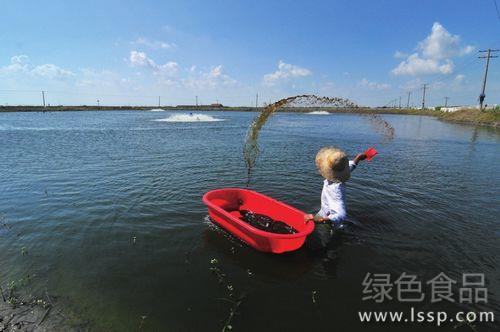
Shrimp Feed Feeding Amount and Methods: Reasonable Feeding Promotes Shrimp Growth
Reasonable Feeding Promotes Shrimp Growth: Shrimp Feed Feeding Amount and Methods
-
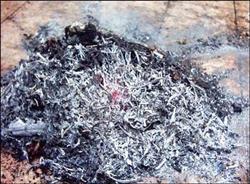
A Detailed Guide to Practical Methods for Making Potassium Fertilizer from Wood Ash at Home
The chemical formula of wood ash is potassium carbonate (K2CO3). Wood ash fertilizer, being the ash left after plants are burned, contains almost all the mineral elements found in plants. In general, wood ash has a relatively high content of potassium oxide; on average, 10 kg of wood ash is equivalent to the effective content of 1 kg of potassium sulfate...
-
How to identify potassium dihydrogen phosphate? Here are a few simple and practical methods
How to identify potassium dihydrogen phosphate? We hope experienced readers will share their methods. Zhongdi Network has compiled three methods for identifying potassium dihydrogen phosphate, listed below for readers' reference. Method 1: The standard packaging states a potassium dihydrogen phosphate content (on a dry basis) of ≥98%, rather than stating a total content of various other elements of...
-
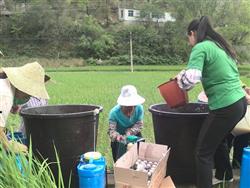
How to apply foliar fertilizer for the best results? A detailed guide to spraying methods
How can foliar fertilizer be applied for the best results? Is there anyone online who can share methods? As foliar fertilizer products gradually increase in number, more and more farmers are using foliar fertilizer. Zhongdiwang has compiled five methods to improve the effectiveness of foliar fertilizer, listed below for netizens' reference. Method 1: Prepare the optimal concentration of foliar fertilizer: ...
-
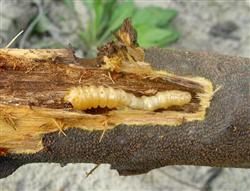
How to control longhorn beetle larvae? Detailed explanation of control methods and technical key points
How to control longhorn beetle larvae? Longhorn beetle larvae cause very severe damage to fruit trees. How should they be controlled? Please provide methods. Damage caused by longhorn beetles: larvae of the bark-girdling longhorn beetle girdle the bark (gnawing the green surface layer of the trunk); larvae of the Miezi ridge tiger longhorn beetle damage branches and trunks, boring the xylem into crisscrossing tunnels and boring toward the center of the stem, damaging the pith, then boring downward to damage the roots. This seriously affects water transport, causing weakened tree growth, withered yellow branches and leaves, and symptoms of fertilizer and water deficiency.
-
Correct methods for using sodium biochemical fulvate
How is sodium biochemical fulvate used? Please provide an introduction to its usage methods. Biochemical fulvic acid is divided into: fulvic acid drought-resistant agent, fulvic acid foliar fertilizer, fulvic acid pesticide synergist, compound fertilizer, organic fertilizer, continuous cropping fertilizer additive, veterinary medicine, feed additive, aquaculture water-fertilizing and water-purifying agent, and other products. For detailed usage methods, refer to...
-
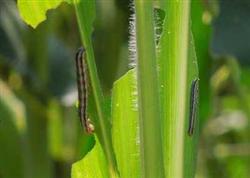
What kind of pest is the corn armyworm? Detailed explanation of control methods
What is the corn armyworm, what damage does the corn armyworm cause, and how do you control it? Readers asked for help with an introduction and control methods. Zhongdi Web has compiled the damage caused by the corn armyworm and its control methods, listed below for readers' reference. Damage caused by the corn armyworm: the corn armyworm feeds as a larva. Its feeding habits are very diverse...
-
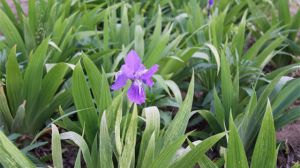
How to grow Iris germanica? A detailed guide to cultivation methods
Soil: Iris germanica prefers relatively loose, slightly alkaline soil, so sandy loam with a pH between 7.0-7.2 is recommended for growing it. Water: It needs plenty of water during the growing period; after flowering, reduce watering and drain promptly after rain. Fertilizing: It needs plenty of nutrients during the growing period, so one round of topdressing is needed.
-
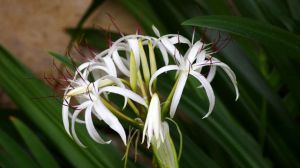
What are the cultivation methods for plants of the genus Crinum?
Temperature: Plants of the genus Crinum are suited to relatively warm temperature conditions. Normally, give them a temperature of 18-22°C, and in winter keep the temperature above 5°C. Soil: It is recommended to use loose, fertile sandy soil with a relatively high humus content for cultivation. Water: In summer, mist to increase humidity; during the growing season, water in a timely manner; in winter, control watering.
-

How to grow the golden variegated ornamental peach? Cultivation methods and care tips
Light: The golden variegated ornamental peach needs ample light to grow normally, so it is best to plant it in a spot that receives sunlight. Temperature: No deliberate adjustment is needed; growing it outdoors is fine, and it does not need winter protection. Water: It is drought-tolerant and afraid of waterlogging, so there is no need to water it too much during regular watering.
条件筛选