-
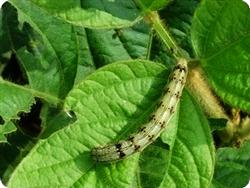
How is fertilizer used to kill pests? A few practical methods to teach you
How is fertilizer used to kill pests? Please explain the methods. Using fertilizer to kill pests can refer to the following methods: Phosphate fertilizer for pest control. Cotton bollworm fears phosphorus most during the egg stage, and immediately escapes as soon as it encounters phosphorus. Based on this characteristic, a 2% superphosphate extract can be used for foliar spraying on cotton, leaving 1 row unsprayed every 5 rows, to drive the cotton boll...
-
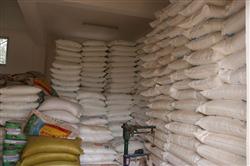
How to store chemical fertilizers well in summer? Here are the correct storage methods
How to store chemical fertilizers well in summer? Please explain the methods. When storing chemical fertilizers in summer, pay attention to the following points: prevent moisture and deterioration. For example, ammonium bicarbonate easily absorbs moisture, causing nitrogen volatilization loss; ammonium nitrate has strong hygroscopicity and easily caking and deliquesces; calcium cyanamide and superphosphate easily cake after absorbing moisture, affecting application results. Therefore, these...
-
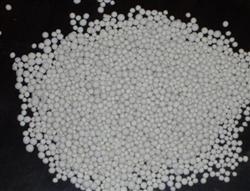
What methods are there to improve fertilizer use efficiency?
How can fertilizer use efficiency be improved? Please explain the methods. To improve fertilizer use efficiency when applying chemical fertilizers, you can refer to the following methods: according to the yield target, carry out balanced fertilization. Within a certain fertilization range, crop yield and fertilizer application rate are positively correlated. Excessively increasing the total amount of fertilizer or the amount of a single nutrient, because...
-
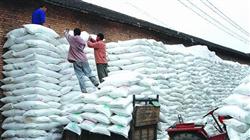
How to tell good fertilizer from bad? Try these methods in everyday situations
How do you usually tell good fertilizer from bad? Here are some methods you can refer to for identifying the quality of fertilizer: 1. Packaging identification method ① Check the markings: Relevant national authorities stipulate that fertilizer packaging bags must indicate the product name, nutrient content, grade, trademark, net weight, standard code, factory name, factory address, production...
-
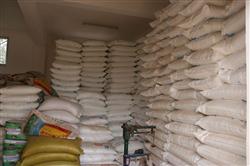
How to store chemical fertilizers properly? Sharing the correct storage methods
How should chemical fertilizers be stored properly? Please give an introduction. To store chemical fertilizers, you can refer to the following methods: 1. If conditions permit, store them in a separate warehouse; the warehouse should be dry, ventilated, cool, and protected from light, and should have appropriate fire-fighting equipment. 2. All kinds of chemical fertilizers in the warehouse should be stored separately, with fertilizers of the same nature kept together...
-
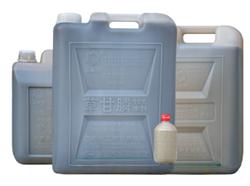
Methods of Using Glyphosate and Experience Sharing
Glyphosate, as a herbicide, is currently used in large quantities and has a good weeding effect, and is deeply welcomed by farmers. However, its use still requires a certain level of technical skill; a little carelessness can easily bring adverse effects to production, and it deserves everyone's attention. 1. Why does the efficacy of glyphosate herbicide vary when applied. ...
-
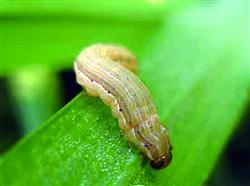
What are the methods for controlling armyworms in Northeast China?
How do you control armyworms in Northeast China? Please give an introduction. The source of armyworms in Northeast China mainly comes from the Yangtze-Huai River basin. After the first-generation adults that occur in that region emerge, they usually migrate into Northeast China from late May to mid-June to lay eggs. Second-generation larvae appear in the fields in early to mid-June, and most larvae enter the third instar in mid-to-late June...
-

Aucuba care methods and precautions
Growing Aucuba requires providing it with moist soil conditions, sufficient light and a certain amount of fertilizer. Its propagation mainly uses the cutting method: cut healthy, disease-free branches, insert them into the substrate, then cover with a plastic bag to keep them warm. In summer, you need to watch out for anthracnose, brown spot disease, red spider mites and scale insects. Once discovered, deal with them promptly.
-
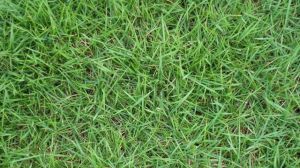
How to Grow Blue Grama Grass? A Complete Guide to Cultivation Methods and Precautions
Soil: Blue grama grass has low soil requirements and can grow in all kinds of soil, but it grows best in fine-textured plateau soil. Temperature: It has strong temperature adaptability, so there is no need to specially adjust the temperature for it during cultivation. Water: Its drought resistance is also very high, and it can adapt to relatively dry soil conditions.
-
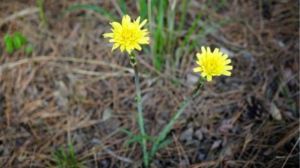
What are the cultivation methods for Scorzonera sinensis (Chinese viper's grass)?
Soil: Scorzonera sinensis can grow in any type of soil, but it is best not to plant it in soil that is too acidic or too alkaline. Water: You need to replenish its water before the soil dries out, and drain promptly after heavy rain. Temperature: Its optimal growing temperature is 20-30°C; when the winter temperature drops below zero, certain measures must be taken to keep it warm.
条件筛选