How is fertilizer used to kill pests? A few practical methods to teach you
How is fertilizer used to kill pests? Please explain the methods. Using fertilizer to kill pests can refer to the following methods: Phosphate fertilizer for pest control. Cotton bollworm fears phosphorus most during the egg stage, and immediately escapes as soon as it encounters phosphorus. Based on this characteristic, a 2% superphosphate extract can be used for foliar spraying on cotton, leaving 1 row unsprayed every 5 rows, to drive the cotton boll...
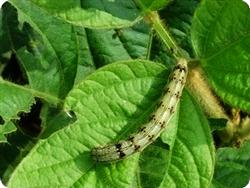
How is fertilizer used to kill pests? Please explain the methods
Using fertilizer to kill pests can refer to the following methods:
Phosphate fertilizer for pest control. Cotton bollworm fears phosphorus most during the egg stage, and immediately escapes as soon as it encounters phosphorus. Based on this characteristic, a 2% superphosphate extract can be used for foliar spraying on cotton, leaving 1 row unsprayed every 5 rows, to drive the cotton bollworms to concentrate their egg-laying, and then eliminate them in a concentrated way. Cotton bollworm has another characteristic: as soon as it encounters the acidic substances secreted by cotton, it gathers on them to lay eggs. At this time, if a 2% superphosphate solution is sprayed, it reacts chemically with the oxalic acid and folic acid secreted by the cotton, which can harden the cotton bollworm eggs, so that the cotton bollworm larvae cannot break out of the shell and die, thereby achieving the purpose of reducing damage.
Nitrogen for pest control. Use a 2% urea solution, or a 1% ammonium bicarbonate solution, or a 0.5% ammonia water solution, and spray it onto the roots and leaves when pests occur. Because these three nitrogen fertilizers are highly volatile, they have a certain fumigating and corrosive effect on pests, and are especially effective against some small-bodied, low-endurance pests such as red spiders, leaf mites, and thrips.
Silicon-calcium fertilizer for pest control. Silicon-calcium fertilizer is a new type of chemical fertilizer. When fertilizing crops, if silicon fertilizer is mixed in, after the crops absorb it, the silicon element will accumulate in the epidermal cells of the crops, forming a hard defensive capability. Practice has proved that applying 20 kg of silicon-calcium fertilizer per mu to corn, sorghum, soybean, kidney bean, etc. can avoid the damage of corn borer and legume borer. On crops such as rice and wheat, using 20-30 kg of silicon-calcium fertilizer per mu can greatly reduce the damage of armyworm.
Plant ash for pest control. Mix 10 kg of plant ash with 50 kg of water, soak for one day and night, take the filtrate and spray it, which can effectively control aphids on fruit trees, crops, and flowers, and can also supplement potassium fertilizer, enhancing the lodging resistance of crops and the wind resistance of flowers and young fruit trees. If an appropriate amount of trichlorfon is added to the plant ash liquid, it can enhance the contact-killing and fumigating effects of the liquid, and improve the killing ability against pests such as aphids and red spiders. It can also control the maggots of seed flies and onion flies, with a control effect of more than 90%, and generally can increase crop yield by 15-20%. For flowers such as Chinese rose, rhododendron, and oleander, if they suffer from damage by maggots of seed flies, plant ash can also be used for control.
Urine-detergent mixture for pest control. Use 250-500 grams of urea per mu, add 100 grams of washing powder, mix with 50 kg of water, stir evenly, and make a "urine-detergent mixture" for spraying, which can control pests such as red spiders and aphids on crops, vegetables, and apples. It is not only pollution-free, but also has a topdressing effect.
Click to get more compound fertilizer application techniques
Click to get more fertilizer application techniques