-

Cordyline Water Cultivation Methods and Precautions Explained in Detail
Cordyline prefers high temperatures and is not cold-tolerant, and it adapts fairly well to light; if it is too dark, its leaf color will turn pale green, greatly reducing its ornamental value. Cordyline can be grown not only in soil but also in water. Water-cultured cordyline may seem a rather novel practice, but the success rate is still fairly high
-
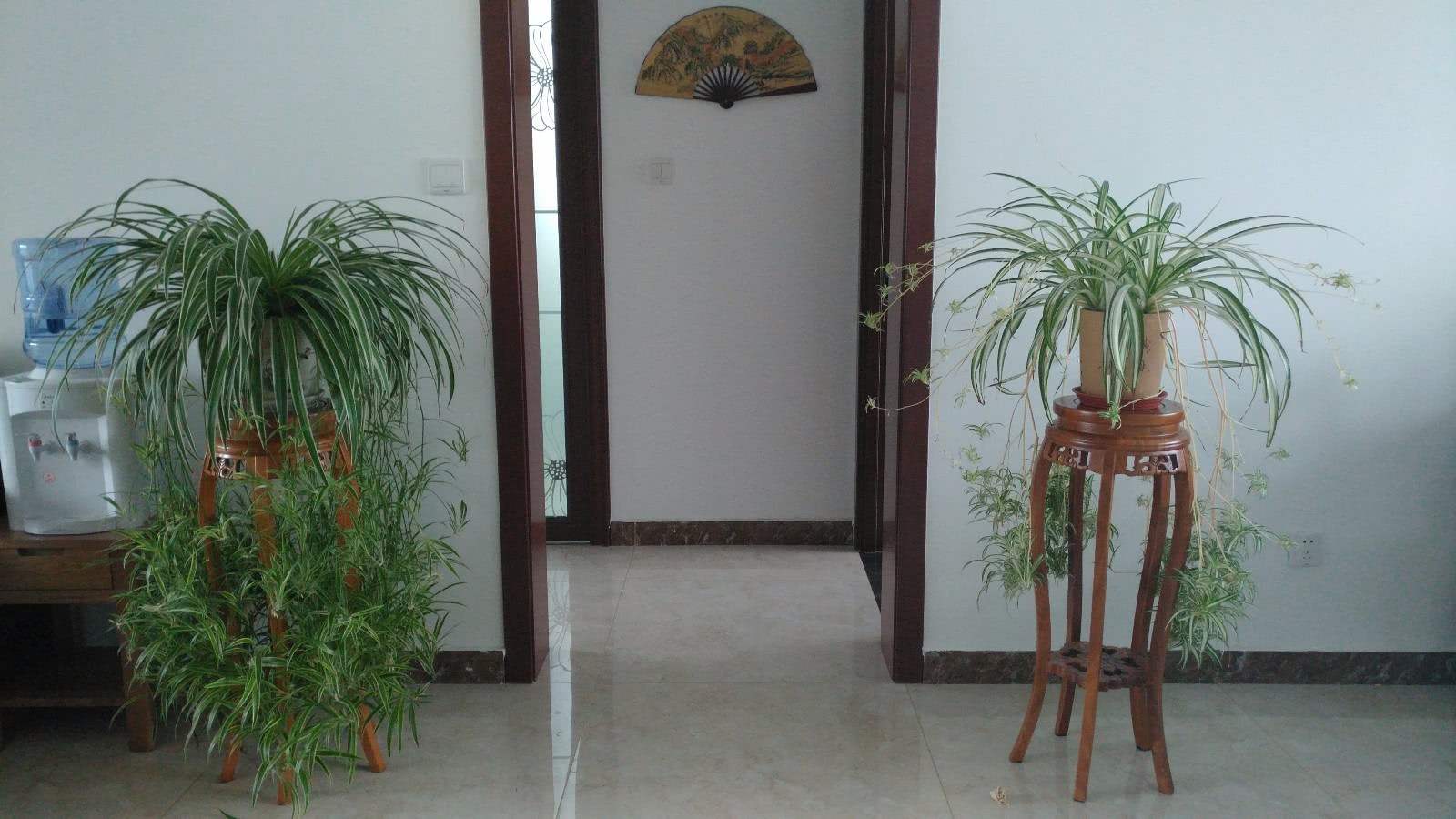
What varieties of spider plant are there? A full guide to summer care methods
Besides pothos, the spider plant is also excellent at purifying the air, and its ability to absorb harmful gases such as formaldehyde and carbon monoxide from the air is even stronger than that of pothos. The spider plant has long been known as the "fairy in the air", and there are many varieties; the more common ones include...
-

Don't be afraid of pests, diseases and leggy growth - all the prevention and control methods are here
You"re Beautiful Back To Bedlam James Blunt ...
-
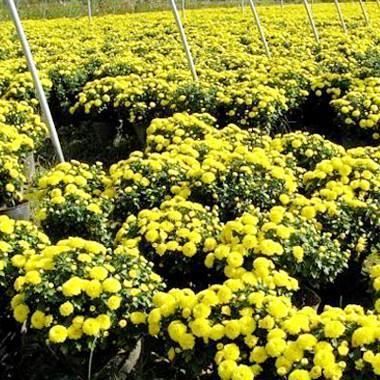
Cultivation Techniques and Management Methods for the Four-Season National Day Chrysanthemum
Cultivation Techniques, Morphological Characteristics, and Key Cultural Points of the Four-Season National Day Chrysanthemum 1. Morphological Characteristics The dwarf four-season chrysanthemum originated in Europe; the varieties currently available in China were introduced from the Netherlands. Flower colors include yellow, red, pink, purple, and white with a red center. In this trial, from the introduced four-season chrysanthemums...
-
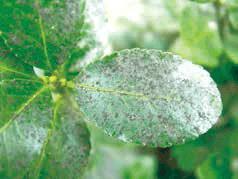
Planting Techniques and Maintenance Methods for Euonymus japonicus Hedges
Planting and Maintenance of Euonymus japonicus Hedges Scientific Planting When planting, first dig a planting trench as required. The width of the planting trench should be greater than the designed width of the hedge to facilitate planting operations. After the planting trench is dug, apply base fertilizer promptly, preferably decomposed and fermented cow or horse manure...
-

Detailed Explanation of Ginkgo Tree Planting Techniques and Management Methods
The ginkgo tree is an excellent tree species valued for both fruit and timber, with a tall and beautiful tree shape, and it is also a lovely ornamental tree. Ginkgo has strong adaptability to soil, tolerates acid, alkali, and drought, and has a lifespan of several hundred years, even over a thousand years, and people call it the "..."
-
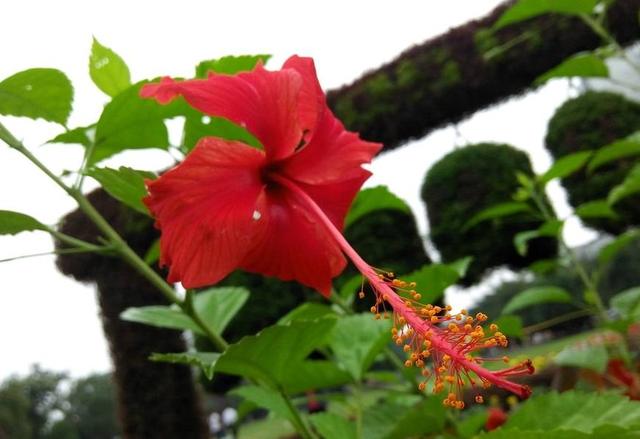
Hibiscus potted cultivation and cutting propagation methods, with just a few easy steps the flowers bloom all over the branches
Hibiscus originates from the East Indies and southern China. Hibiscus is also known as zhujin, Chinese rose, dahonghua, and so on. Hibiscus is a strongly sun-loving tree species that prefers warm environments and is not very cold-tolerant. Hibiscus flowers are large and brightly colored, with a long flowering period, making them suitable for potted cultivation...
-
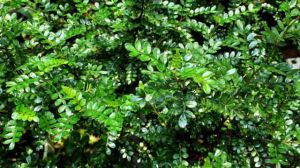
A detailed guide to pepperwood propagation methods, easy for beginners to learn too
Pepperwood is mainly propagated in two ways: sowing and cuttings. For sowing, first select the fruit and take the seeds, then soak the seeds for a period of time, and afterward sow them by dibbling or broadcasting. For cuttings, do it in spring or autumn, choose middle branches about one year old and 10 to 15 cm long, insert them into slightly acidic soil and keep them moist.
-

Detailed Explanation of Management Methods and Techniques for Orchid Pot Surfaces
Management of Orchid Pot Surfaces
-
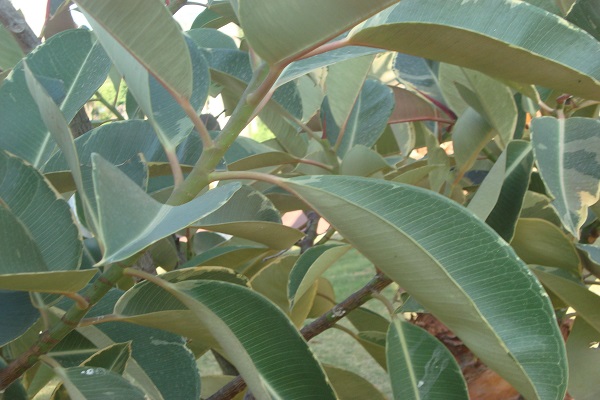
What to do if your rubber plant is growing crooked? A few methods to straighten it up
When we look at rubber plants, we notice that some of them do not grow straight, so what should we do in that case to help them grow better? The first method is to rotate the pot, because the plant itself is phototropic, meaning it grows toward the light, and rotating the pot helps change the direction of growth so it grows upright. The second method is tying, correcting it through external force; the specific method is to take a long, straight wooden stick and tie it tightly to the main trunk with rope so that it grows upright.
条件筛选