How to rescue wilted flowers and plants? Practical methods shared
When flowers and plants wilt, this is the most headache-inducing problem for growers. There are many causes of wilting in flowers and plants, such as lack of water, lack of fertilizer, lack of light, unsuitable temperature, being unsuited to the pH level contained in the soil, excessive application of chemical fertilizer, infection by a virus, being attacked by pests, damage from toxic gases in the air, and so on. The situation is very complex, but most cases are caused by insufficient water.
(1) For wilting caused by air that is too dry, the remedy is to spray water on the ground around the flowers and plants and on the leaves 2—3 times a day;
(2) When the potting soil lacks water, it is often because the grower uses too little water each time, only moistening the surface of the soil and thinking that is enough. As a result, the roots of the flowers and plants cannot absorb water. This is a major taboo in watering flowers and plants, and growers call it “half-way watering.” Over time, the flowers and plants will naturally wilt because they cannot get water.
(3) The remedy, of course, is to water the potting soil, but there is one issue that particularly deserves attention: at this point, when watering the potting soil, you can only gradually increase the amount of water, and must not suddenly pour too much at once. This is because when a flower or plant wilts, its root hairs have already shrunk and lost their ability to absorb water. At the same time, wilting has already caused the cells to lose water. If water is supplied too suddenly and in too great an amount, plasmolysis will occur in the cell walls and protoplasm. Therefore, after a plant has suffered drought, suddenly absorbing a large amount of water can also lead to death.
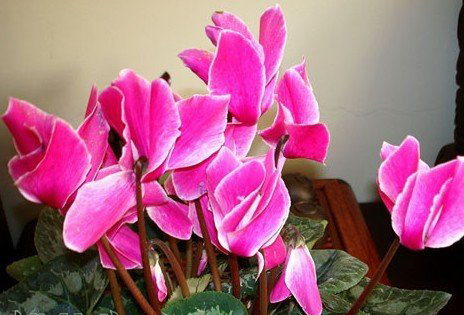
How to rescue wilted flowers and plants
When flowers and plants wilt, this is the most headache-inducing problem for growers. There are many causes of wilting in flowers and plants, such as lack of water, lack of fertilizer, lack of light, unsuitable temperature, being unsuited to the pH level contained in the soil, excessive application of chemical fertilizer, infection by a virus, being attacked by pests, damage from toxic gases in the air, and so on. The situation is very complex, but most cases are caused by insufficient water.(1) For wilting caused by air that is too dry, the remedy is to spray water on the ground around the flowers and plants and on the leaves 2-3 times a day;
(2) When the potting soil lacks water, it is often because the grower uses too little water each time, only moistening the surface of the soil and thinking that is enough. As a result, the roots of the flowers and plants cannot absorb water. This is a major taboo in watering flowers and plants, and growers call it "half-way watering." Over time, the flowers and plants will naturally wilt because they cannot get water.
(3) The remedy, of course, is to water the potting soil, but there is one issue that particularly deserves attention: at this point, when watering the potting soil, you can only gradually increase the amount of water, and must not suddenly pour too much at once. This is because when a flower or plant wilts, its root hairs have already shrunk and lost their ability to absorb water. At the same time, wilting has already caused the cells to lose water. If water is supplied too suddenly and in too great an amount, plasmolysis will occur in the cell walls and protoplasm. Therefore, after a plant has suffered drought, suddenly absorbing a large amount of water can also lead to death.
How to rescue wilted flowers and plants
Wilted flowers and plants
Rescuing wilted flowers and plants:
① Spray water on the ground around the flowers and plants and on the leaves 2-3 times a day.
② Do not suddenly pour too much at once, because when flowers and plants wilt, their root hairs have already shrunk and lost their ability to absorb water.