-
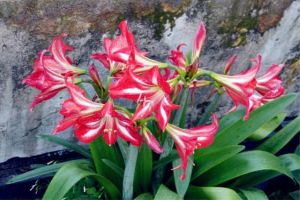
How to extend the blooming period of Amaryllis? Master these care methods
Anyone who has seen it knows that its bulb looks like a ball, with 6 to 8 leaves on it. These leaves emerge one after another after flowering, and their color is exceptionally bright green. In addition, the flowers it produces are also exceptionally beautiful, with diverse colors, making it very pleasant to admire. So for such a beautiful flower, if you want to extend its blooming period, what should you do? Let's find out together.
-
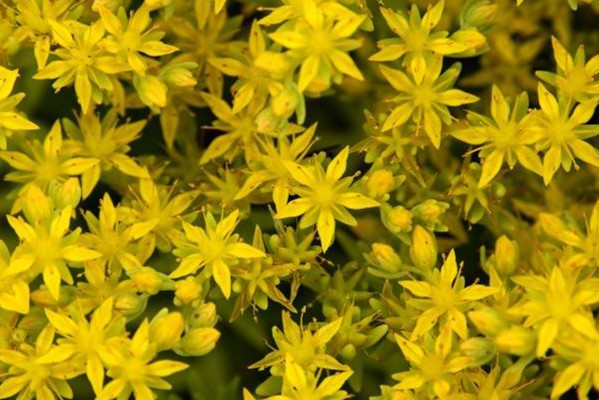
How to grow Sedum acre 'Aureum' (golden creeping sedum)? Growing methods and precautions
This is a plant that tolerates drought fairly well. Its flowers are golden yellow, and even its leaves are golden yellow too, making it very attractive. If you want to grow it well, take a look at the methods for growing it.
-
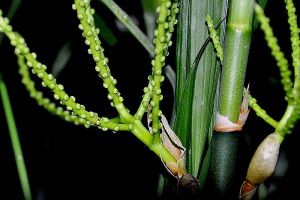
How to repot a Hawaiian palm? Detailed methods and steps
Also known as "bamboo palm", "miniature bamboo palm" or "Chamaedorea seifrizii", it is a plant of the Arecaceae family. Its place of origin is mainly in some tropical countries, such as Mexico and Guatemala. Later, it began to be planted on a large scale in Taiwan, China, and subsequently became one of the main production areas. It is an indoor foliage plant, which we can also see from the pictures. It is suitable for being placed in many places such as the living room, study and office. Repotting is an unavoidable step in growing it, so how exactly is it done?
-
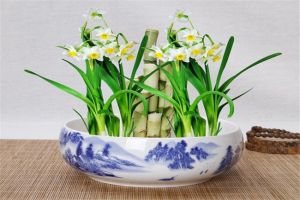
What to Do If You Get Poisoned by Daffodils? Master the Correct Handling Methods
Daffodils always give people a feeling of purity and elegance, looking fresh and refined, graceful and clean. Keeping this plant at home can also be very helpful for feng shui, so many people are very fond of it. However, in reality, daffodils are not as pure and harmless as they appear; they are actually a toxic flower. Hearing this, some friends may panic, so how does poisoning occur? What should be done after poisoning? Let me tell you slowly!
-
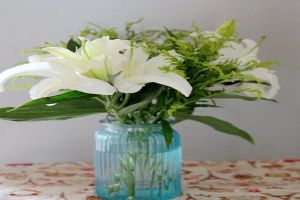
How to grow carnations in water? Detailed hydroponic care methods
This is a very famous flower. It can grow both in soil and in water. We usually buy it and keep it in water at home, so what measures should we take to make it grow better?
-
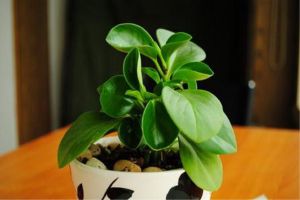
How to grow Peperomia obtusifolia? Cultivation methods and precautions
When we mention Peperomia obtusifolia, we first think of its attractive plant shape and evergreen leaves all year round, and it is precisely because of this that it is super suitable for indoor cultivation, often used as a decoration in our rooms, generally placed on the balcony, in the living room or bedroom, with excellent ornamental value. So do you know how to grow it well? Today let's learn about it together.
-
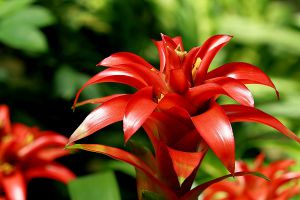
What to Do If a Guzmania (Guzmania lingulata) Has Root Rot? Cause Analysis and Treatment Methods
This is a plant in the Bromeliaceae family and also a highly ornamental plant species. It has beautiful and varied inflorescences, as well as bright and diverse flower colors, commonly including pink, bright red, golden yellow, and so on. Its place of origin is South America, that is, places near the tropics, and it was only later introduced into China, becoming one of the ornamental plants. However, if its roots rot, it will have a very adverse effect on it. So, what should we do?
-
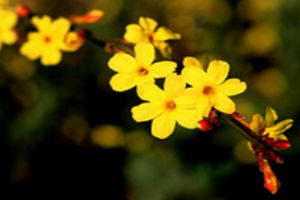
How to grow thick roots on winter jasmine? Practical care methods shared
This plant gives people a good feeling. In ancient times, many poets also wrote poems about this flower. Its shape is very attractive, and it has especially many alternative names. It can be considered one of the most common plants in China. Because it itself has many characteristics, many people have now started growing this plant. We always want to grow plants better, and one method is about how to make its roots thick. Today let us talk about it in detail.
-
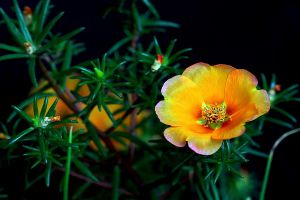
How to propagate the Portulaca grandiflora? Detailed Guide to Common Propagation Methods
This plant is also called "leaf-falling money" and is an annual herbaceous plant. It has flowers of various colors and very green leaves, as we can see from the pictures. Besides its appearance, it also carries very good meanings, such as "hope", "happiness" and so on. It is suitable for planting in many places, such as courtyards, roadsides, and flower beds. If you also want to grow one, come and learn how it is propagated.
-
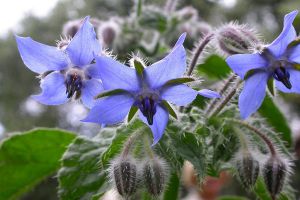
Detailed Explanation of Borage Propagation Methods and Key Operational Points
This is an annual herbaceous plant, and it has a special characteristic: it has the fragrance of cucumber. Interesting, right? Its place of origin is the Mediterranean region, and it is also fairly widely distributed in Europe and North America. Only later was it introduced into our country, where it began to be spread and cultivated, and it has also received fairly widespread welcome. Take a look at its pictures, and you will definitely like it. So then, let us introduce knowledge about its propagation measures.
条件筛选