How to grow a Shinyleaf Prickly Ash (Zanthoxylum nitidum) bonsai? Detailed care methods
Shinyleaf Prickly Ash toothpaste is all too familiar to Chinese people; its main medicinal ingredient is extracted from the leaves of Zanthoxylum nitidum and has effects such as clearing heat and detoxifying. In fact, Zanthoxylum nitidum is not only an important raw material for medicine, but also an ideal species for making bonsai.
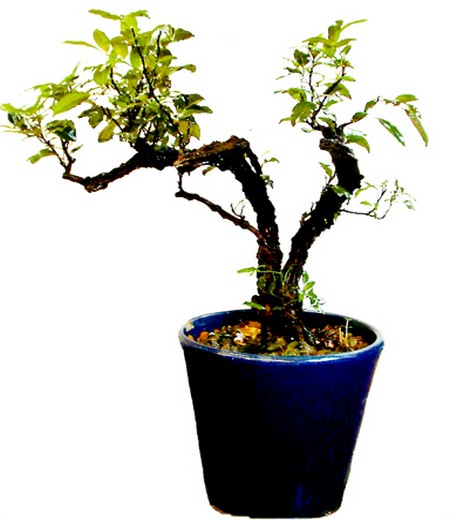
After the new stump is potted, cover the stump with a transparent plastic bag or film, leaving a ventilation opening of 3 cm to 5 cm, keep the potting soil moist, and place it in a shaded area for care. When most of the new buds have grown to about 5 cm, the cover can be removed on rainy or cloudy days. After October, it can gradually be moved to a sunny place for normal care.
Because Zanthoxylum nitidum is a plant that loves light and warm, humid conditions, the suitable growth temperature for a Zanthoxylum nitidum bonsai is 30°C. In addition to timely watering to keep the potting soil moist, apply a dilute, well-rotted cake fertilizer solution or diluted urea liquid fertilizer about once every 15 days. In saline-alkali areas in the north, water once every ten days with alum fertilizer water mixed and fermented from ferrous sulfate and soybean cake, to improve the soil and prevent the potting soil from becoming alkaline. Zanthoxylum nitidum has slightly poor cold tolerance; in winter in areas north of the Yangtze River, it should be moved indoors to a place with ample light and a temperature above 5°C for care.
A common pest of Zanthoxylum nitidum is longhorn beetles, which bore into and damage the stems and roots. Adults can be caught by hand or the eggs removed, or a cotton swab soaked in 80% dichlorvos concentrate can be inserted into the bore hole and sealed with mud to poison the larvae.
A Zanthoxylum nitidum bonsai that has been carefully tended has a rugged, gnarly stem, twisting and full of varied forms, fragrant flowers and unusual leaves, and a dignified form and color with extraordinary bearing. Besides expressing the free and elegant charm of ancient trees in the wild, it also shows a unique beauty of rugged simplicity and solemn elegance.