Why does Photinia have a masculine smell? Plus Photinia care and management methods
Photinia, scientific name Photinia serrulata Lindl., English name Photinia, also known as Qiannianhong, Shanmumu, etc. An evergreen shrub or small tree of the genus Photinia in the Rosaceae family, native to China. Flowering period April to May, fruiting period October. Round crown, dense foliage, red young leaves, white and densely clustered flowers, red fruit in winter, bright and eye-catching, it is a common cultivated tree species; the wood is hard and dense, and can be used to make wheels and tool handles; the leaves and roots are used medicinally as a tonic and diuretic, and have sedative and antipyretic effects; it can also be used as a homemade pesticide to control aphids, and has an inhibitory effect on the germination of potato pathogen spores; the seeds are pressed for oil for making paint, soap or lubricating oil; it can be used as rootstock for loquat, and loquat grafted onto Photinia has a long lifespan, tolerates poor soil, and grows vigorously.
The most notable feature of Photinia is its odor during the flowering period. Its odor is a strong smell of human semen. Therefore, although many cities currently use Photinia as a landscape and greening plant, it often triggers strong complaints because of this odor.
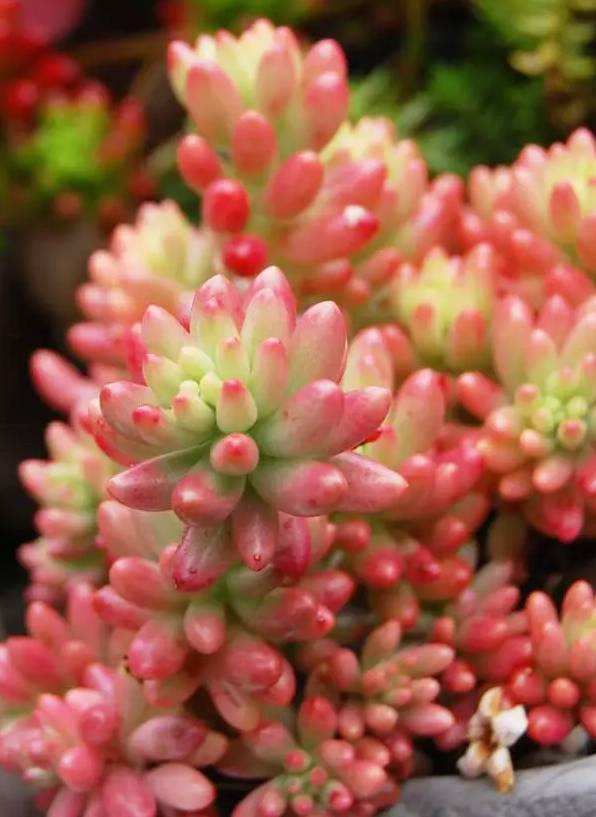
Photinia cultivation methods
Temperature and light
Photinia likes light, is slightly shade-tolerant, relatively cold-tolerant, and can withstand low temperatures of -15°C.
Watering
Photinia prefers moisture, and the soil should be kept moist regularly, but be careful to avoid excessive watering, otherwise waterlogging can easily cause root rot in the plant.
Fertilizing
Adhere to the principle of light and frequent application. In spring, fertilize about once every 15 days; in summer and autumn, apply a compound fertilizer about once every 15 days.
Soil
Photinia is not strict about soil requirements. It is suitable to choose fertile and well-drained sandy loam for cultivation, and note that it grows poorly in clay.
Precautions for Photinia cultivation
Pest and disease control
Photinia has relatively strong resistance and generally is not prone to severe pests and diseases. Common ones include gray mold, leaf spot, and scale insect damage. For the control of gray mold, spray with 50% zineb 800-fold solution. For leaf spot, spray with 50% carbendazim 300 to 400-fold solution or thiophanate 300-400-fold solution for control. For scale insect damage, use dimethoate emulsifiable concentrate 200-fold solution for spraying and killing.