-

The 100% survival cutting method, only Flower Flower tells you!
Many flower growers love taking cuttings. Watching a single branch go from rooting to sprouting and blooming is especially satisfying, and it also saves quite a bit on the cost of buying flowers. But if the method is wrong, it easily leads to failure to survive. Today I'll introduce several cutting methods with very high survival rates!
-
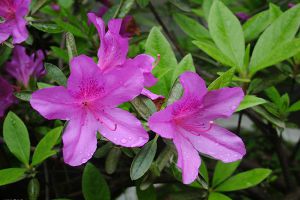
How do you grow azaleas so they thrive? A detailed guide to care methods
Growing a plant is basically about giving it light, water and so on, but giving it only these things is not enough to make it grow well. In fact, we also need some other operations to make it grow better. For example, we need to cut off some branches for it, apply chemicals to it, give it flower fertilizer, and so on.
-

How often should you water azaleas? Master the correct watering method
We need to know that watering is a very important part of plant care, and this flower cannot go without water either, so how should it be watered? Generally speaking, if the soil is not dry, do not water it; next, we need to know that watering is not fixed and depends on each season; in addition, water varies, and the water we give it cannot be too arbitrary, as it still needs to meet certain requirements.
-
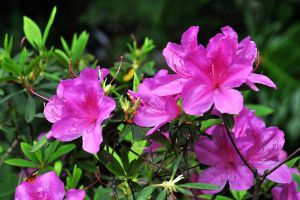
What are the care methods to make azaleas bloom more
To make a plant bloom more, you first need to ensure its nutrition keeps up, then you need to ensure its growth does not run into problems, and besides that, the soil it grows in is also a very important point. Let us look at what exactly we need to do.
-

How to Graft Rhododendrons? A Detailed Guide to Methods and Key Techniques
For rhododendrons, there are many ways to propagate, and one of the more important ones is grafting. There are many grafting methods, but the one we generally use is the terminal cleft graft on softwood shoots, which can achieve a particularly high survival rate. Next, let's go over the specific method.
-
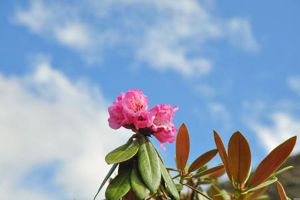
How to Fertilize Azaleas: Correct Methods and Techniques Explained
For the general public, this is a very common plant, so many people choose to buy it, but fertilizing after buying is also a big problem. Actually, this flower does not need heavy fertilizer, but it does need fertilizing. Generally, we go by month: from March to May it is basically once a week, from June to August no fertilizing, from late September once every ten days, and after October no more fertilizing. Of course, the type of fertilizer is another matter, and different seedling ages differ as well. Let us explain the specifics slowly.
-
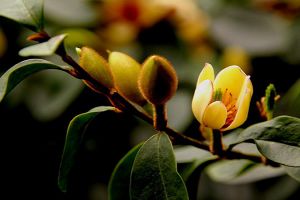
How to Propagate Michelia figo (Banana Shrub) from Cuttings? Detailed Methods and Steps
When it comes to this propagation method, the choice of materials and soil is especially important right from the start. These two aspects directly affect the success rate later on. Once both are chosen well, it is time for the actual cutting. The key thing to watch out for in this step is being careful not to break the branches. After that, post-planting care is also very important. As for the specific details, these will be explained in detail below.
-
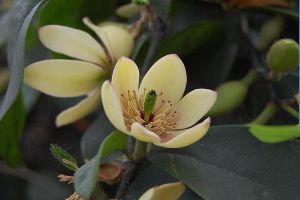
How to prune banana shrub (Michelia figo)? A detailed guide to the correct pruning method
After growing banana shrub for a period of time, its branches and leaves become very dense, which hides the flowers and reduces the chance of blooming, so it needs to be pruned. So how should it be pruned properly? The main targets for pruning are weak branches, diseased branches and overly dense branches. In addition, the process may damage its shape, so appropriately adjusting the tree form is also very necessary.
-
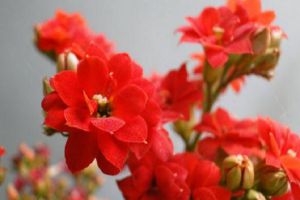
How to fertilize Kalanchoe blossfeldiana 'Magic Lantern'? Master the correct fertilization method
When it comes to the fertilization method for this plant, it is simple to describe yet complex in practice. This is because the types of fertilizer are fairly fixed: fertilizer with just the three elements N, P and K is enough, so there are not many element types to consider. However, the specific timing of fertilization still needs attention, and it cannot be applied in summer. As for the specific method, just read the introduction below.
-
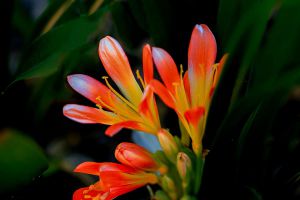
Care methods and precautions after repotting a clivia
After the beginning of spring, growers are very likely to repot their clivias. Care after repotting is very important. The most important thing is water. Right after repotting, of course you need to water thoroughly. You can use plain water, but nutrient solution works better. After about three days, resume normal watering. The second is light. Right after repotting, first place it in a shaded environment. After ten days, then give it appropriate sunlight. There is also temperature, which needs to be kept within a suitable range at all times, 15 to 20 degrees during the day and 10 to 15 degrees at night.
条件筛选