-
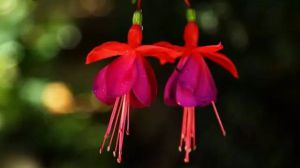
How to grow fuchsia? Detailed guide to cultivation methods and precautions
Soil: Use loose, well-draining soil. Fertilizing: Apply fertilizer once every 7-10 days during the growing season. Watering: Control the amount of water well, and always keep the potting soil moist. Temperature: The summer temperature should be 15-25°C, and the winter temperature should be 10°C. Light: It should not be too intense; when the summer temperature is high, shade it appropriately.
-
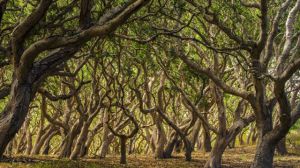
What are the cultivation methods and precautions for the banyan tree (Ficus microcarpa)?
Light: Plenty of light is best, and it should also receive some light in winter. Fertilizing: Apply decomposed fertilizer once a month during the growing period, but the amount must not be too much; generally no fertilizing is needed in summer and winter. Watering: Water it frequently to keep the potting soil sufficiently moist. Pruning: Prune appropriately in spring to increase light penetration and reduce the occurrence of pests.
-
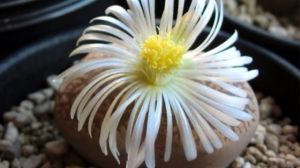
How to Care for Living Stones (Lithops)? Detailed Guide to Care Methods and Precautions
Growing living stones requires loose, well-aerated sandy loam soil and a consistently moist environment. The most suitable growing temperature is 15-25°C. In spring and autumn, they can be placed in direct sunlight. They can be propagated by seed sowing and by cuttings. Also, watch out for leaf spot disease and leaf rot disease.
-
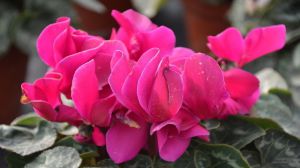
How to grow cyclamen? Detailed guide to cultivation methods and precautions
Soil: Use a fertile, loose, slightly acidic to neutral soil. Light: It likes sunlight but fears direct light. Watering: It likes moisture but fears waterlogging; keep the soil moist. Temperature: The optimum is 10-20°C; in summer keep it below 30°C, and in winter keep it above 0°C. Fertilizing: Apply monopotassium phosphate in spring and autumn; do not apply nitrogen fertilizer during the flowering period. Ventilation: Regular ventilation is needed.
-

How to grow azalea bonsai? A full analysis of care methods and techniques
To master the cultivation methods of azaleas, you can start from the following aspects: 1. Environmental conditions: It is best to have both indoor and outdoor environments for cultivating azaleas. The indoor environment is used in winter. In the Yangtze River basin, as long as there is a certain amount of...
-
-
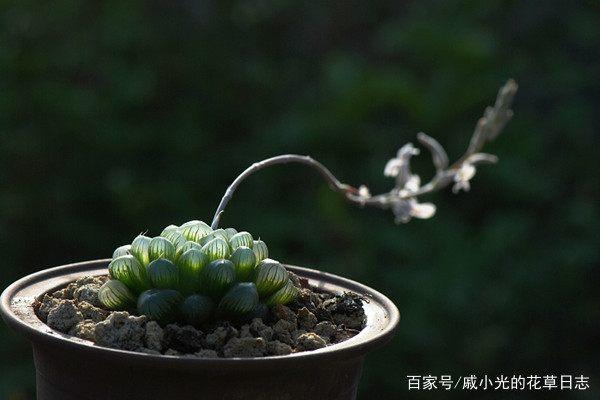
With proper year-round care, potted Haworthia cooperi (Haworthia cooperi) easily grows into a full, overflowing clump, and the watering and fertilizing method is simple yet has its finer points.
Potted Haworthia cooperi is the most common member of the Haworthia genus and a soft-leaved variety among succulents. It is extremely rich in species, with crystal-clear leaves whose bright windows look like living works of art, especially when viewed from a backlit angle...
-
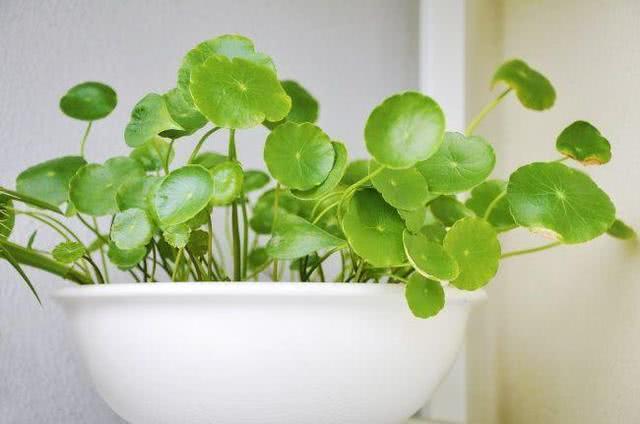
How to grow pennywort in water? Simple method to make the leaves big and shiny
Pennywort (Hydrocotyle vulgaris) must be a very popular plant, with small and exquisite leaves, wavy edges, and it is very easy to keep alive, so how could it not win the favor of plant lovers! So today Huahua will tell everyone about pennywort's...
-
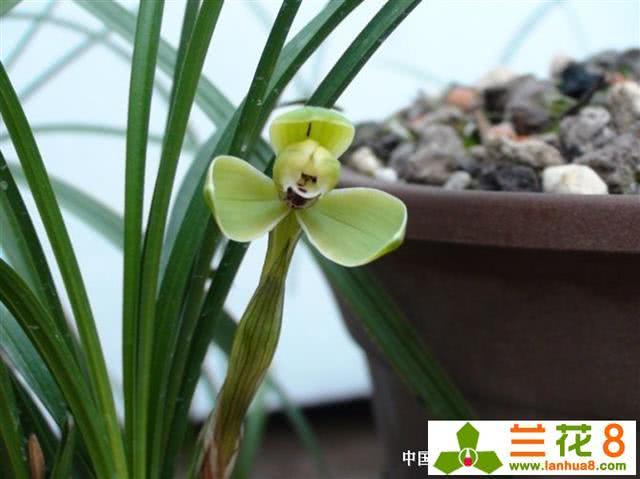
How to Identify Orchid Petal Types? A Complete Guide to Practical Methods
The theory of orchid petal types, after being founded by Mr. Bao Weisheng in the early Qing Dynasty, was continuously refined by many orchid scholars, and it was not until Mr. Xu Qilou that it was discussed in detail in his famous work "Lan Hui Tong Xin Lu." This book is difficult to understand, so I now present my learning...
-
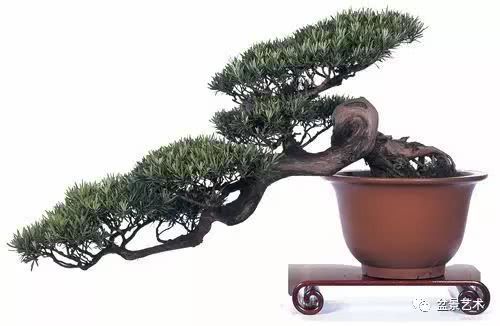
How to make a Podocarpus bonsai? A full breakdown of the detailed methods and steps
Podocarpus (Podocarpus macrophyllus) is an evergreen small tree of the Podocarpaceae family. It stays green all year round, has narrow long needles, deep green color, rugged branches and a long lifespan, and is a commonly used tree species for making bonsai. Among them, the Queshe podocarpus (Podocarpus macrophyllus 'Maki'), whose leaves grow only 2 cm long, has a graceful tree shape and is a valuable...
条件筛选