How do you tell if a bonsai is dry or wet? These methods are simple and practical
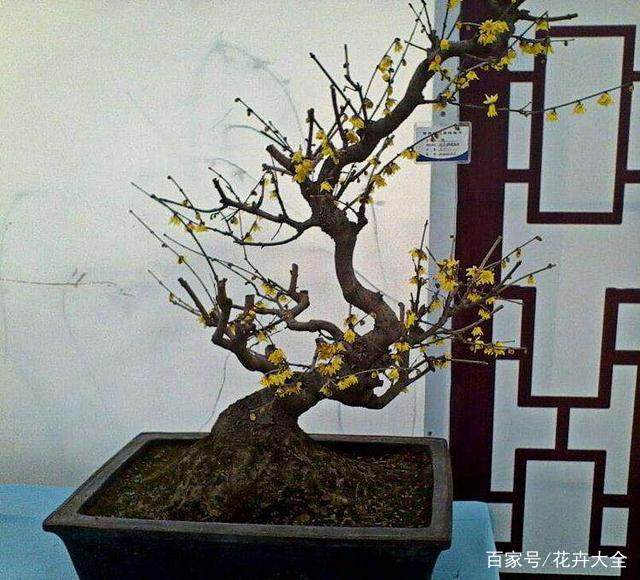
During bonsai care, watering is very important. If watering is not timely enough, the plant is prone to dying from lack of water, while if watered too much, problems such as root rot can occur. How do you tell if a bonsai is dry or wet? You definitely do not know these methods! There are several ways to judge.
1. Observe the plant's growth condition
The most direct way is to look at the plant's growth condition. If the plant's leaves begin to droop and wilt, then the bonsai is definitely too dry and the plant lacks water, so it needs to be watered promptly. However, be careful to rule out the plant's natural growth conditions; for example, in autumn and winter, some plants' leaves will wither on their own.
2. Observe the color of the potting soil
If you cannot tell from the plant's condition, then look at the color of the soil in the pot and see whether the color has changed. Generally, after potting soil dries out, the color becomes lighter and whitish. If it has become light white, then the bonsai is already very dry and needs to be watered promptly. If the color is still dark brown or another very deep color, then it means the potting soil still has a certain amount of moisture and does not need watering.
3. Tap the pot and listen to the sound
Gently tap the middle-upper part of the pot wall with your hand, then listen carefully to the sound. If the sound is relatively dull, then the soil in the pot is still moist and the bonsai does not need watering for the time being; if the sound is very crisp, then the soil in the pot has already become very dry and urgently needs watering.
4. Insert your hand into the soil to feel its texture
When you are not sure whether the bonsai is dry or wet, you can insert your hand into the pot, about 2 cm deep. If the soil inside feels soft and loose and your hand still feels damp, that means the potting soil is not dry and is still moist; if the soil feels very rough, very hard, and abrasive to the hand, that means the potting soil is very dry and needs watering.
5. Squeeze the soil
Pinch up a portion of the bonsai's soil. If the soil can be squeezed into a ball, then it means the soil is wet; if the soil crumbles into powder as soon as it is pinched, then it means the soil is dry and needs watering.
Of course, the above methods are only based on experience. In practice, you still need to look at the plant's specific growth habits. For example, some plants like a moist environment, so the soil should be kept on the moist side, while some plants like a dry environment, so the soil should be kept on the dry side. Therefore, after judging the dry or wet state of the soil in the bonsai, whether you should water still depends on the plant's specific water requirements.
In addition, the above methods only give a rough look at the dry or wet condition of the soil in the pot and cannot obtain an accurate value. If you want to know the exact degree of dryness and moisture, it is best to use a soil moisture meter. Simply place the moisture meter in the pot, and you can accurately grasp the dry or wet condition of the potting soil at all times, so you can decide whether watering is needed.