-
How to collect and cultivate material for a trident maple bonsai?
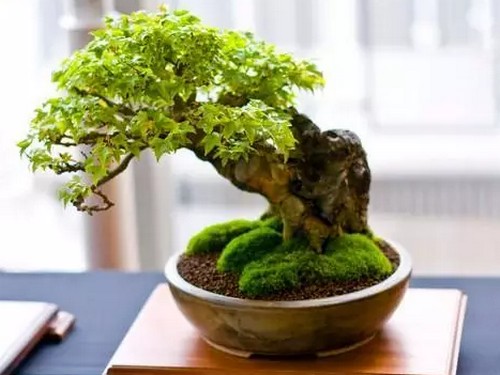
In the past, when cultivating trident maple material, I would generally let it grow freely in the ground for 5 years. During those 5 years, I would not prune the roots at all. However, I found that after 5 years, the roots had grown thick and long, making them very difficult to dig out of the ground, and the root flare had not developed ideally. Now I dig them up every year and prune the roots.
-
The correct method and steps for leaf removal on red maple bonsai
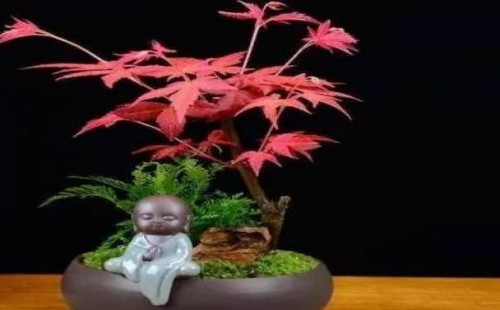
Red maple is a tree species very well suited for use as a foliage-viewing bonsai. For red maple bonsai designers, artificial intervention is often used to control the foliage effect and make the bonsai look more beautiful. Leaf removal is one of the most commonly used means of controlling the ornamental effect of red maple bonsai.
-
How to prune a maple bonsai? The whole process explained with illustrations so you understand at a glance
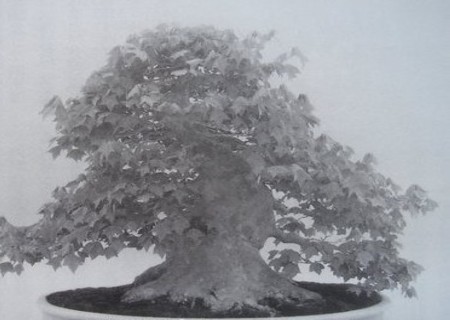
The best viewing period for maples is when the new leaves have just unfurled. If all the leaves are removed in late summer and a thin, diluted application of decomposed liquid fertilizer is given, new leaves will grow in about 20 days, adding another best viewing period. Maples have strong sprouting vigor and often produce new buds on the trunk. Any buds not needed for the design and any overly dense branches
-
How to prune a trident maple bonsai? Master the correct pruning method
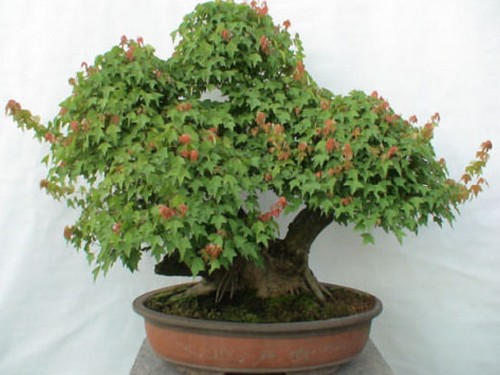
The trident maple has a graceful tree form and elegant leaves, with three shallow lobes at the leaf tip, just like a duck's webbed foot, and it is highly ornamental. In early spring, the new leaves first emerge, delicate and emerald green; after autumn arrives, the leaf color turns dark red or old yellow, becoming even more pleasing to the eye. If in late summer and early autumn you remove its old leaves and apply a quick-acting nitrogen fertilizer once, after half a month it will send out fresh tender new leaves
-
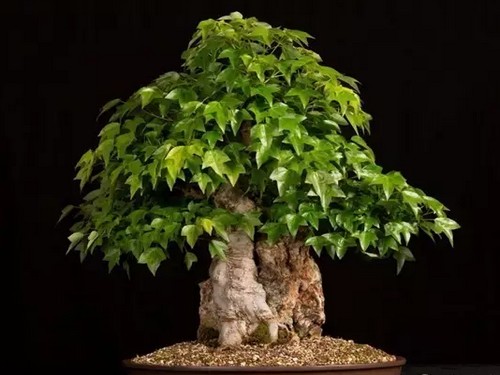
How to shape a trident maple bonsai? Detailed shaping method explained
Trident maple (Acer buergerianum) is a deciduous tree of the Aceraceae family, also known as duck-foot tree. A bonsai made from trident maple has tender leaves covering the branches in early spring, strikingly red and alluring; in early summer, green leaves are lush and graceful; in late autumn, yellow leaves fill the tree, brilliantly orange and elegant; in deep winter, leaves fall and branches are revealed, refined and noble. Because of its many advantages, it is widely used in the bonsai world.
-
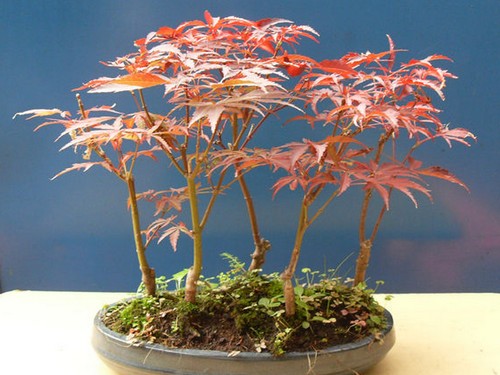
What are the key points of the seedling-raising technique for red maple bonsai?
Red maple is a precious foliage tree, so it is often grown as a potted plant for appreciation. For potting, use 2 parts garden soil and 2 parts leaf mold, plus 1 part sand to make the growing medium. Japanese red maple is transplanted in February to March; when transplanted during the growing season, the leaves must be removed and a soil ball kept around the roots. For routine watering, keep the soil alternately dry and moist, and prevent it from becoming too dry or too wet.
-
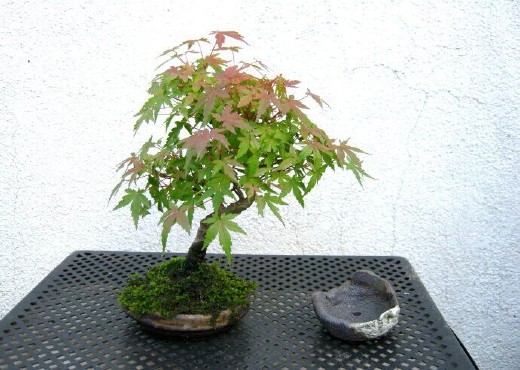
How to shape a Japanese maple bonsai? Detailed technical points
Aceraceae Acer genus, deciduous small tree, bark dark gray, branchlets slender; young branches green, thin and weak. Flowers purple, samaras purplish red when young, light brownish yellow when mature, the two wings spreading at an obtuse angle. Nutlets spherical, veins prominent; wings and nutlets opening at an obtuse angle. Sun-loving, prefers warm and humid climate, not strongly cold-hardy
-
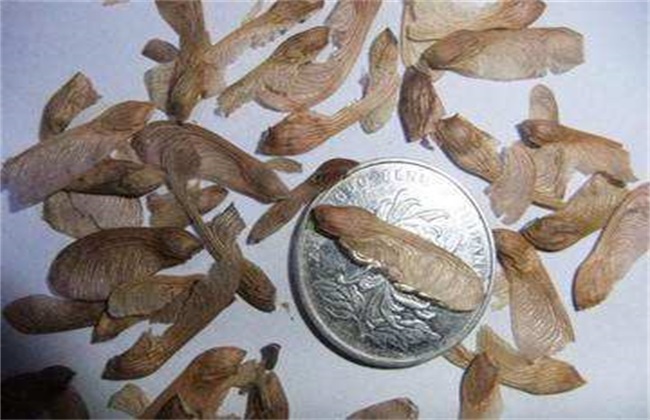
Planting Methods and Technical Points for Red Maple Saplings
Planting Methods for Red Maple Saplings
-
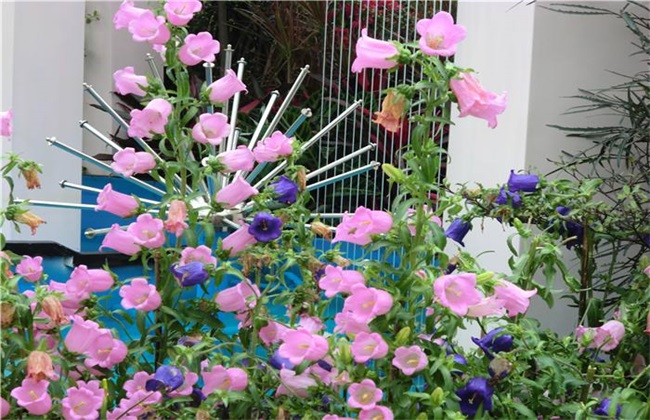
How to grow a flowering maple? A step-by-step guide to the growing methods
Growing methods for the flowering maple
-

What is the difference between red maple and Japanese maple, and which one is more beautiful?
Generally speaking, autumn is the viewing season for maple leaves, and among them red maple and Japanese maple are both top choices for autumn maple viewing, because both plants look very beautiful and have deep red leaves. As a result, the two trees make people feel as if they are born alike and impossible to tell apart. In fact, they are each different; below, let us learn about
条件筛选